
What Overseas Dealers Should Check Before Buying Used Cars in China
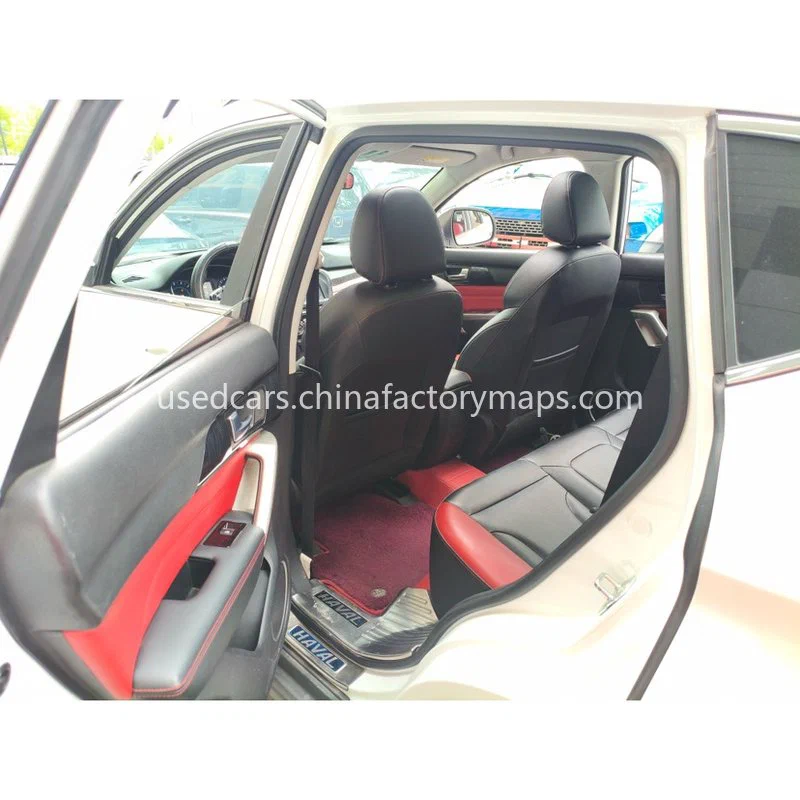
Buying used vehicles from China requires more than comparing model specifications and asking prices. Overseas dealers should verify vehicle condition, mileage, ownership records, exporter credentials and shipping documents before committing to a purchase. The checks below apply to complete used vehicles, including sedans, SUVs, MPVs, commercial vehicles and new energy vehicles.
Vehicle condition, mileage and history
Start with a written condition assessment for every vehicle under consideration. Ask the exporter to provide recent photographs of the exterior, interior, engine compartment, underbody and instrument panel. Video inspections should show the vehicle starting, idling and operating its main functions. A condition grade is useful for screening inventory, but grading standards vary between exporters. Ask for the inspection criteria behind the grade rather than treating the label as a guarantee.

Mileage needs independent verification. Request a clear dashboard photograph, service invoices, maintenance records and available inspection documents showing recorded mileage at different dates. Compare these records with the vehicle’s visible wear, including steering wheel condition, pedals, seats and other frequently used controls. Inconsistent dates or unexplained gaps deserve further investigation. A low odometer reading alone does not establish that a vehicle has had limited use.

Service history provides additional evidence. Check whether routine maintenance, major repairs, accident damage and replacement components are documented. Request the VIN and compare it across the vehicle, registration documents, inspection records and export paperwork. Any mismatch should be resolved before payment. For accident history, ask specifically about structural repairs, airbag deployment, flood exposure and repainting. Where possible, arrange an independent pre-shipment inspection rather than relying entirely on the seller’s assessment.
Exporter credentials and shipping arrangements
The legal role of the seller matters. China’s used vehicle exports operate through designated export pilot cities and require the relevant export licensing, customs declaration and pre-shipment inspection procedures. Ask whether the business is the licensed exporter or acts as a broker representing another company. Request the legal business identity, export licence details and the name of the entity that will appear on the export documents. A broker may coordinate sourcing, but the buyer should know which company carries the formal export responsibility.
Exporter practices also vary. Some businesses source vehicles directly from local dealerships or vehicle auctions, while others consolidate stock from multiple suppliers. Their inspection processes, documentation quality, payment arrangements and ability to coordinate shipping may differ. A used car buyer dealer should establish these details before selecting inventory. Ask who owns the vehicle before export, who handles customs declaration, who arranges inspection and who is responsible for correcting documentation errors. Confirm the payment beneficiary matches the contracting party or has a clearly documented legal relationship with it.
Geographic location can help narrow the search, but proximity alone does not establish export capability. The directory maps exporters across Guangdong, Hubei, Chongqing, Jiangsu, Henan, Sichuan, Beijing, Hunan and Shandong, alongside major export ports including Shanghai Port, Ningbo-Zhoushan Port, Shenzhen Port, Qingdao Port and Guangzhou Port. Compare the exporter’s location with the proposed port of loading and ask for a clear explanation of inland transport arrangements. Vehicles may travel by RoRo shipping or be loaded into containers. The appropriate method depends on vehicle type, shipment arrangements and destination requirements. Obtain confirmation of the shipping method, loading responsibility, estimated transit arrangements and bill of lading details before finalising the transaction.
Destination compliance must be checked separately. Importing countries set their own rules covering vehicle age, emissions, roadworthiness, homologation and steering configuration. Most vehicles built for China’s domestic market are left-hand drive, which excludes them from markets that accept only right-hand-drive vehicles. Requirements can change, so buyers should confirm current regulations with their destination customs authority or import agent before ordering. Used electric vehicles require additional checks, particularly battery state of health, charging compatibility and applicable battery transport requirements. Request available battery diagnostic records and clarify how battery condition is assessed.
FAQ
Q: How can an overseas dealer verify a Chinese used car exporter?
A: Ask for the legal business identity, export licence details and the identity of the company responsible for customs declaration and export documentation. Confirm these details against the sales contract and payment arrangements.
Q: What documents should be checked before shipping a used vehicle from China?
A: Check the VIN, vehicle ownership and registration records, inspection documents, export licence details, customs declaration information and shipping arrangements. Confirm the final document requirements with the destination country’s import authority before dispatch.
Featured Exporters
Verified premium exporters on our map.
 JH Auto Group
Guangzhou, Guangdong
Nearest port: Guangzhou Port · 24 km
At jh-usedcar.com, we’re more than just a seller; we’re your partner in finding exceptional value. We combine …
 Guangzhou JH auto co,ltd
Guangzhou, Guangdong
Nearest port: Guangzhou Port · 23 km
Guangzhou JH Auto Co., Ltd (JH Auto) buys used, left-hand-drive Chinese cars in China, inspects and documents …