
What Should Buyers Look for in a Second-Hand Car Dealership?
A second-hand car dealership should be assessed on the evidence it provides about each vehicle, its ability to complete the export process, and the practicality of shipping from its location. For overseas buyers sourcing from China, the right supplier is one that can document vehicle details, explain export requirements, and coordinate a shipment that meets the destination market’s rules.
Check vehicle condition and documentation
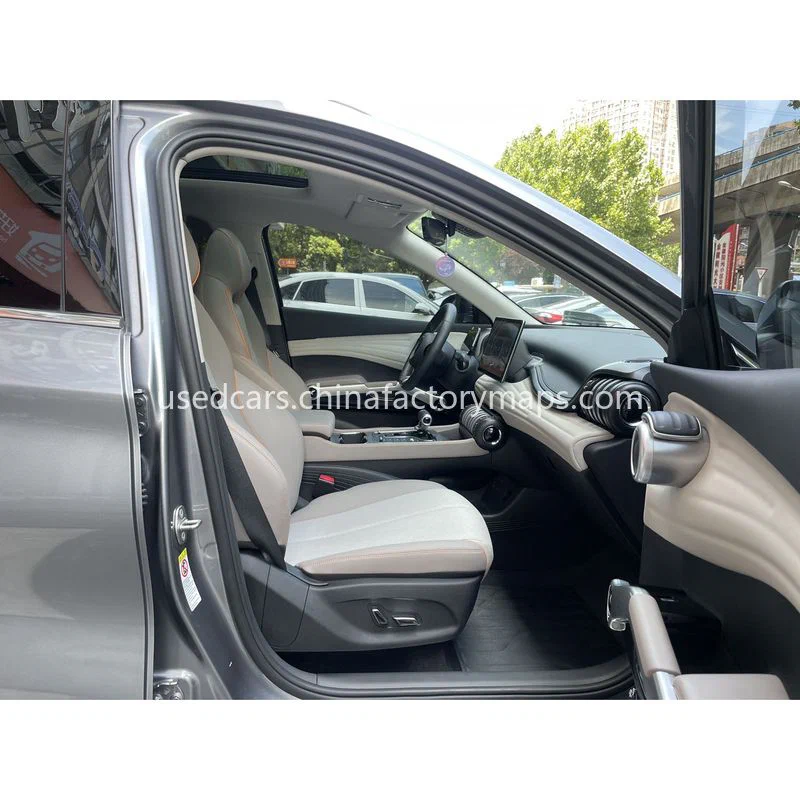
The first check is the vehicle itself. A listing should identify the model, trim, year of manufacture, mileage, powertrain and current condition. Buyers should request photographs of the exterior, interior, instrument panel, engine bay and any visible damage. These records help establish what is being offered, but photographs alone cannot confirm mechanical condition or reveal every repair.
Mileage deserves particular attention. Ask for the odometer reading and supporting records, such as service documents, maintenance invoices or available inspection reports. Compare the mileage with the vehicle’s visible wear and documented history. A low reading is not proof of limited use, and a clean-looking interior does not establish that a vehicle has never been involved in an accident. Where the purchase value justifies it, arrange an independent inspection before committing funds.
Documentation should also connect the specific vehicle to the proposed transaction. Confirm the vehicle identification number (VIN), registration or ownership records available for export, and any inspection documentation supplied by the seller. Resolve discrepancies in model year, specification or vehicle identity before payment. A directory listing helps identify potential suppliers; it does not certify the condition or history of an individual car.
Assess export capability and shipping location
A domestic used-car dealer and an exporter serving overseas buyers are not necessarily the same type of business. China’s used vehicle exports operate through designated export pilot cities and require the relevant export licensing, customs declaration and pre-shipment inspection procedures. Buyers should establish which entity handles each step, what documents it provides, and whether the vehicle is eligible for export under the applicable requirements.
The distinction matters when comparing a second hand cars dealership with a supplier experienced in export transactions. Ask whether the quoted arrangement covers vehicle procurement only or also includes export preparation, inspection coordination, customs procedures and shipping arrangements. Confirm which party is responsible for document accuracy and what happens if an inspection identifies a problem. These questions help expose gaps between a vehicle offer and a shipment that can actually proceed.

Location affects logistics. Chinafactorymaps.com plots exporters by geography, allowing buyers to compare supplier clusters and their distance from covered export ports. The mapped locations include Guangdong, Hubei, Chongqing, Jiangsu, Henan, Sichuan, Beijing, Hunan and Shandong. Major ports covered include Shanghai Port, Ningbo-Zhoushan Port, Shenzhen Port, Qingdao Port and Guangzhou Port, among others. Proximity can simplify vehicle movement to a port, but the nearest port is not automatically the best choice. The intended sailing route, vessel schedule, handling arrangements and available shipping service also influence the decision.

Transport generally uses roll-on/roll-off (RoRo) vessels or containers. RoRo shipping involves driving eligible vehicles onto and off the vessel, while container shipping places vehicles inside cargo containers. The suitable method depends on the vehicle, route, carrier requirements and shipment arrangement. Buyers should compare the full logistics scope, including inland transport, port handling, loading, documentation and marine insurance, rather than judging a supplier solely by its distance to a port.
Match the vehicle to the destination market
Import eligibility must be checked before selecting inventory. Destination authorities set their own rules for vehicle age, emissions, steering position, roadworthiness, documentation and taxation. Requirements can change, and restrictions may differ by vehicle category or powertrain. Buyers should confirm the current rules with the destination country’s customs authority, transport regulator or a qualified local customs broker before paying a deposit.
Steering position is a practical constraint. Most vehicles built for China’s domestic market are left-hand drive, so buyers targeting markets that accept only right-hand-drive vehicles may find much of the available inventory unsuitable. Even where left-hand-drive vehicles are permitted, local registration, inspection or modification requirements may apply. The model’s domestic popularity does not establish that it can be legally registered abroad.

Electric and hybrid vehicles require additional checks. For a used electric vehicle (EV), request available battery state-of-health information and clarify how it was measured, when it was recorded and whether a supporting report is available. Battery capacity, charging compatibility and the vehicle’s onboard charging system may affect its usefulness in the destination market. Shipping providers may also impose specific battery documentation, handling or transport conditions. These requirements should be confirmed with the carrier before booking. Combustion vehicles have different inspection priorities, including engine operation, transmission performance, fluid leaks and emissions-related equipment.
Before finalising a purchase, compare suppliers using the same checklist. Record the vehicle specifications, supporting evidence, export responsibilities, estimated inland transport arrangements and proposed shipping method. Request a written quotation that separates vehicle cost from logistics and other charges. Payment milestones, cancellation terms and responsibility for delays should be clear in the contract. A directory map can narrow the search by location, but commercial terms and vehicle-specific evidence still require direct verification.
FAQ
Q: How can overseas buyers assess a used-car exporter in China?
A: Check vehicle documentation, available inspection evidence, export licensing arrangements and the division of responsibility for customs and shipping. Verify the specific vehicle and contract terms independently before payment.
Q: Does choosing an exporter near a major Chinese port guarantee lower shipping costs?
A: No. Inland distance is only one factor; the shipping route, port handling, carrier availability and transport method also affect the total cost. Compare complete quotations for the intended destination.
Related Articles
Featured Exporters
Verified premium exporters on our map.
 Guangzhou JH auto co,ltd
Guangzhou, Guangdong
Nearest port: Guangzhou Port · 23 km
Guangzhou JH Auto Co., Ltd (JH Auto) buys used, left-hand-drive Chinese cars in China, inspects and documents …
 JH Auto Group
Guangzhou, Guangdong
Nearest port: Guangzhou Port · 24 km
At jh-usedcar.com, we’re more than just a seller; we’re your partner in finding exceptional value. We combine …