
What to Check Before Buying a Used Two-Seat Car
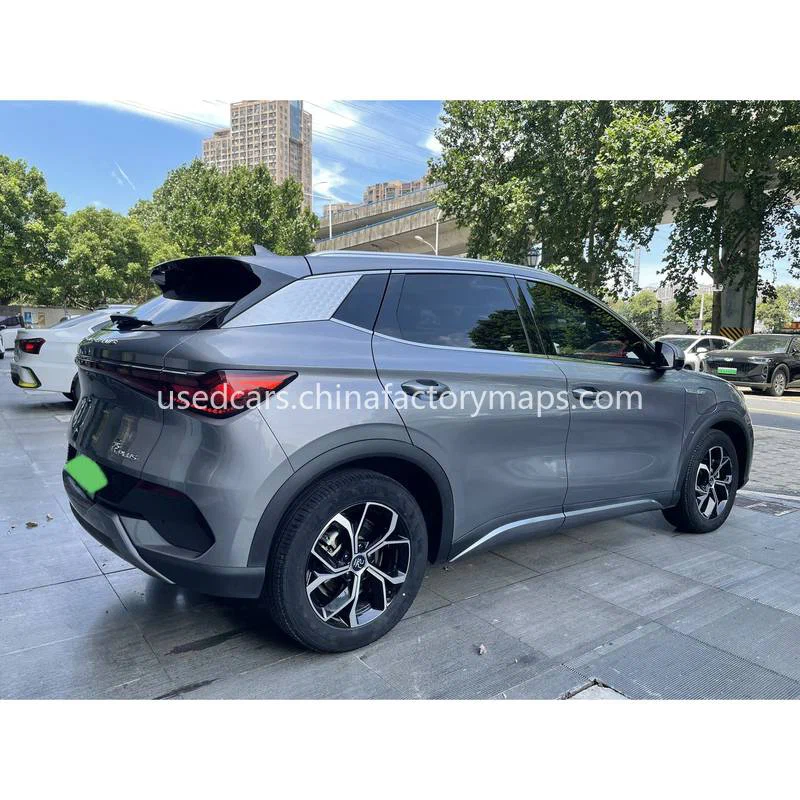
A two-seat car can suit a buyer who needs a compact vehicle, but its small size does not make it a simple export purchase. This guide covers the checks that matter when sourcing one from China, from vehicle records to export arrangements and destination-market rules.
Check the vehicle and its records
Ask for the condition grade and the criteria behind it. Grades are not necessarily consistent between exporters, so request the inspection sheet and dated photographs or video showing the body panels, interior, tyres, underbody and instrument display. For a two-seater, inspect seat mounts, seat belts, door hinges and any removable roof or rear storage area closely; these parts can be costly or difficult to replace in some markets. Ask whether damage has been repaired and whether the vehicle has warning lights, leaks or faults that have not been resolved. A grade is a seller’s assessment, not a guarantee of condition.
Treat mileage as a claim to verify. Request a clear image of the odometer and compare it with service records, inspection documents and any available vehicle history. Ask for the VIN before agreeing to a purchase, then check that it matches the vehicle and the documents. Look for gaps or inconsistencies in service history, especially around major repairs, long periods without recorded maintenance or a sudden change in mileage. A low odometer reading alone does not establish light use. If the exporter cannot provide records, factor that uncertainty into the decision rather than treating the missing information as proof of a problem.
Confirm who is exporting and how

Ask whether the seller is the licensed exporter or an intermediary arranging the transaction for another business. A broker can be a legitimate point of contact, but the buyer should know which legal entity will hold the export licence, appear on the contract and handle the customs declaration. Request the exporter’s registered business details and a written account of who is responsible for pre-shipment inspection, customs filing and shipping documents. China’s used vehicle exports operate through designated export pilot cities and require export licensing, customs declaration and pre-shipment inspection. The paperwork should identify the same vehicle by VIN throughout. Vague answers about which entity is responsible, or documents that name different sellers without explanation, are reasons to pause and clarify.
Exporter procedures vary. Some may source vehicles to order; others may offer vehicles already in stock or coordinate inspection and transport through separate providers. Ask for the vehicle’s current location, when it can be inspected, what happens if the inspection finds a discrepancy, and which documents will be supplied before shipment. Confirm the proposed port of loading and whether the vehicle will ship by RoRo or in a container. For a two-seat car, clarify how it will be secured and protected in transit, and who arranges port handling and freight forwarding. Exporters near different mapped clusters may have different routes and logistics partners; compare the full process, not just the distance to a port.

Before payment, match the contract, invoice and export documents to the specific VIN, agreed condition description and delivery terms. Common problems include photos of a similar vehicle instead of the selected unit, undisclosed damage, mileage that differs between records, paperwork delays, and confusion over who pays for inspection, storage or port charges. Set out in writing what evidence is required before the balance is paid and what happens if the vehicle or documents do not match. A directory listing can help compare exporters by location and proximity to covered ports, but it does not certify a vehicle or guarantee an exporter’s claims. The phrase 2 seater second hand car may help with searches, but the VIN and supporting records are what identify the unit being purchased.
Check destination fit
Import rules are set by the destination market and can change. Confirm the current requirements for vehicle age, emissions, roadworthiness and drive side before committing. Most Chinese domestic vehicles are left-hand drive, which rules out markets that accept only right-hand-drive vehicles. Also check whether the model can be registered and serviced locally, and whether parts are available. A vehicle that can be exported is not automatically eligible for import or road use in the buyer’s country.
FAQ
Q: How can a buyer tell whether an exporter is licensed or only acting as a broker? A: Ask which legal entity holds the export licence, signs the contract and files the customs declaration. Verify that the vehicle’s VIN and seller details remain consistent across the paperwork.
Q: What should be checked before shipping a two-seat car? A: Confirm the inspection findings, VIN, mileage records, service history, export documents and destination-market eligibility. Agree in writing on the shipping method, port responsibilities and what happens if the vehicle differs from its description.
Featured Exporters
Verified premium exporters on our map.
 Guangzhou JH auto co,ltd
Guangzhou, Guangdong
Nearest port: Guangzhou Port · 23 km
Guangzhou JH Auto Co., Ltd (JH Auto) buys used, left-hand-drive Chinese cars in China, inspects and documents …
 JH Auto Group
Guangzhou, Guangdong
Nearest port: Guangzhou Port · 24 km
At jh-usedcar.com, we’re more than just a seller; we’re your partner in finding exceptional value. We combine …