
What to Check on a Second-Hand Cars Website Before You Pay
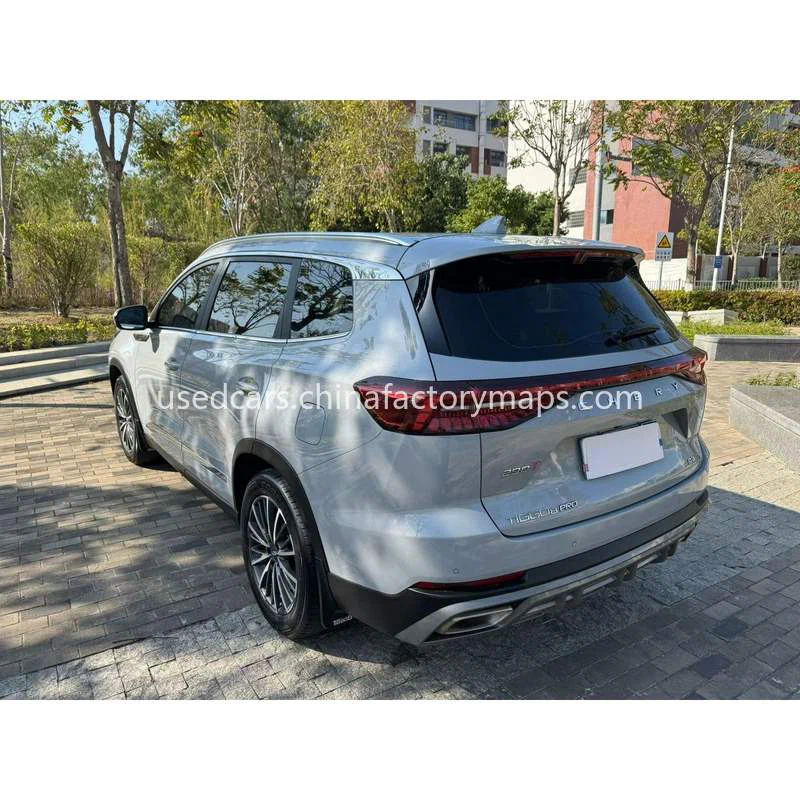
A second hand cars website can help overseas buyers compare Chinese used vehicle exporters, but a listing is only a starting point. Before paying, verify the vehicle, the seller’s role, and the export steps that apply to the shipment and destination.
Verify the vehicle record
Start with the vehicle identification number (VIN). Ask for a clear image of the VIN plate and the vehicle’s registration or ownership documents, then check that the number matches across the listing, inspection records, and export paperwork. A mismatch, an obscured plate, or a seller unwilling to provide the number before payment calls for further checks.
Treat mileage as a claim to corroborate, not a guarantee. Request dated dashboard photographs and available service records, and compare odometer readings in documents from different points in the vehicle’s history. Gaps, abrupt changes, or records that identify a different vehicle should be resolved in writing. A low displayed mileage alone does not establish condition.
Condition grades are not universal. Ask the exporter to define each grade and state what it covers: body panels, paint, glass, tires, interior, mechanical systems, and prior repairs. Request a recent inspection report with dated photographs or video of the specific vehicle, including the underside, engine bay, dashboard with the ignition on, and any visible damage. For a remote purchase, an independent pre-shipment inspection can help identify issues before the vehicle is loaded; confirm its scope and who arranges and pays for it.

Establish who is selling
A listing may come from an exporter, a broker, or an intermediary working with another company. Ask for the legal name of the contracting seller, its registered business details, and the entity that will receive payment and appear on the export documents. Then ask who holds the export licence for this transaction and who will make the customs declaration. A direct, consistent answer helps clarify responsibility; vague references to a “partner” do not.
China’s used vehicle exports run through designated export pilot cities and require export licensing, customs declaration, and pre-shipment inspection. Ask which party is responsible for each step and what documents will be available at each stage. Confirm how the vehicle’s VIN will appear on the sale contract, inspection report, customs documents, and bill of lading. Do not assume that a seller’s location, or a directory listing, proves it is licensed to export.
Check shipment and destination fit
The exporter’s location can affect inland transport, handling, and the route to port. Compare mapped exporters by distance to the nearest export port, then ask for the planned port of loading and whether the vehicle will ship by RoRo or in a container. Ports covered by the directory include Shanghai Port, Ningbo-Zhoushan Port, Shenzhen Port, Qingdao Port, and Guangzhou Port. A shorter map distance does not by itself establish the final route, departure schedule, or shipping cost; request those details for the specific vehicle and shipment.

Destination requirements need separate confirmation before a deposit. Rules can differ on vehicle age, emissions, drive side, roadworthiness, and required documents, and they can change. Most Chinese domestic vehicles are left-hand drive, which makes them unsuitable for markets that permit only right-hand-drive vehicles. Check current requirements with the destination’s customs or vehicle authority and confirm that the exact model and configuration can be imported and registered. Do not rely on a seller’s broad statement that a vehicle is “exportable.”
For a used EV, add battery checks to the standard vehicle inspection. Request a battery state-of-health assessment, the method and date of testing, and any available charging or battery-service records. Clarify how the battery will be handled for transport and whether the chosen shipping method and carrier accept the vehicle under current requirements. These details are distinct from the vehicle’s general condition grade; a clean exterior or normal dashboard display does not establish battery capacity.
Before paying, put the agreed vehicle identity, condition description, inspection arrangements, export responsibilities, shipping method, and payment milestones in the contract. Confirm what happens if inspection finds an undisclosed defect, paperwork cannot be completed, or the vehicle differs from the listing. Common problems include mileage claims that lack supporting records, inspection images from another vehicle, unclear responsibility between broker and exporter, and export documents prepared for a different VIN. Keep copies of messages and documents, and avoid sending funds to an account that does not match the contracting seller without a documented explanation.
FAQ
Q: What documents should I check before paying a Chinese used car exporter? A: Compare the VIN across the sale contract, vehicle records, inspection report, and available export documents. Ask who is responsible for export licensing, customs declaration, and pre-shipment inspection, and confirm what paperwork will be issued at each stage.
Q: Can a listing confirm that a vehicle can be imported into my country? A: No. The destination market sets its own rules for vehicle age, emissions, drive side, roadworthiness, and documentation. Confirm current requirements with the relevant authority before committing to the purchase.
Featured Exporters
Verified premium exporters on our map.
 JH Auto Group
Guangzhou, Guangdong
Nearest port: Guangzhou Port · 24 km
At jh-usedcar.com, we’re more than just a seller; we’re your partner in finding exceptional value. We combine …
 Guangzhou JH auto co,ltd
Guangzhou, Guangdong
Nearest port: Guangzhou Port · 23 km
Guangzhou JH Auto Co., Ltd (JH Auto) buys used, left-hand-drive Chinese cars in China, inspects and documents …