
Where to Source Mid-Size Used Cars Across China's Export Clusters
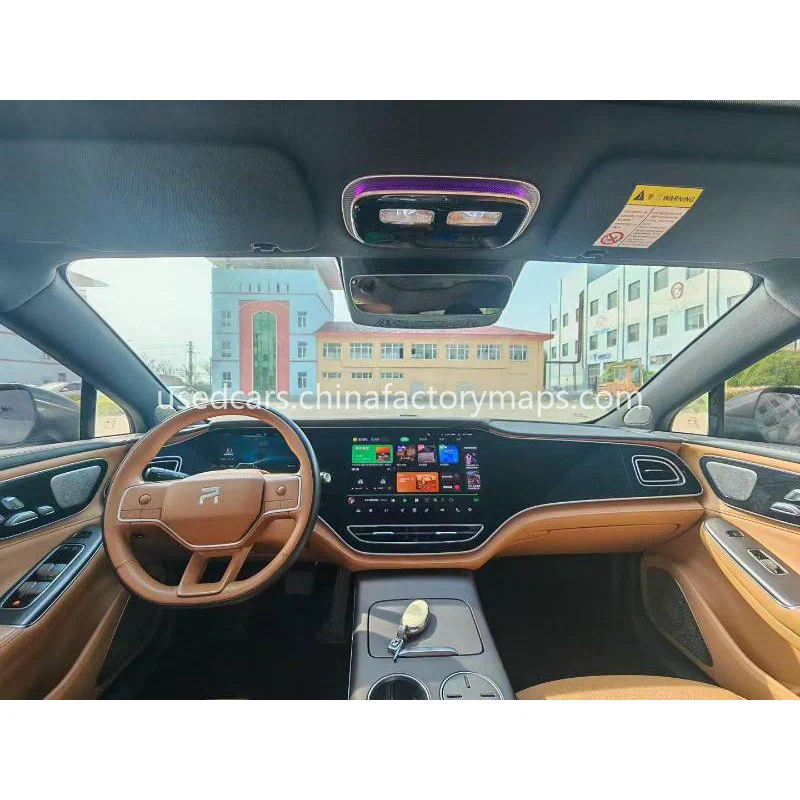
Mid-size used cars are a distinct sourcing category for overseas buyers who need passenger vehicles that balance cabin space, operating costs, and suitability for local roads. Chinafactorymaps.com plots used vehicle exporters by province and city, helping buyers compare geographic clusters and their distance from major export ports before requesting vehicle details and shipping arrangements.
Where mid-size used car exporters cluster
Guangdong and Hubei are useful starting points for a regional search. Guangdong has four listed exporters across Guangzhou and Foshan, while Hubei has four, including Wuhan. These clusters give buyers a practical basis for comparing suppliers in different parts of China without assuming that every exporter carries the same models or vehicle grades. The map identifies listed businesses and their locations; inventory, sourcing channels, and export experience still need to be confirmed directly.
Several factors can explain why exporters gather in particular locations. Used car export pilot status establishes a regulatory framework for eligible export activity, while established dealer networks and vehicle-trading businesses can help suppliers find stock. Domestic fleet replacement and trade-in activity also contribute to the vehicles entering the resale market. However, these factors do not establish that a particular city has more mid-size sedans than another. Buyers should treat the mapped clusters as a shortlist for supplier discovery, then compare actual stock lists, acquisition channels, and documentation procedures.
Comparing inland clusters with coastal access
Jiangsu, with three listed exporters including Nanjing and Changzhou, offers another regional search area. Henan has two listed exporters, including Zhengzhou, while Sichuan has one in Neijiang. Hunan has one listed exporter in Zhuzhou, and Chongqing has three. These locations extend the search beyond the southern coastal market and make it possible to compare suppliers according to inland access, local vehicle sourcing, and onward transport arrangements.
The main trade-off is the relationship between the supplier’s location and the eventual port of loading. A buyer comparing an exporter in Wuhan with one in Guangzhou should assess the full route rather than assume that the geographically closer supplier will produce the lowest landed cost. Inland transport, vehicle handling, export preparation, and port arrangements can affect the total. A map-based directory helps narrow the geographic options, but a supplier quotation should specify the proposed loading port, inland movement arrangements, and which charges are included.
Coastal access matters because China’s used vehicle exports move through designated export pilot cities under applicable export licensing and customs procedures. Shanghai Port, Ningbo-Zhoushan Port, Shenzhen Port, Guangzhou Port, and Qingdao Port are among the ports covered by the directory. Tianjin Port, Xiamen Port, Taicang Port, Beibu Gulf Port, Rizhao Port, Lianyungang Port, and Yingkou Port provide additional geographic reference points. Not every exporter can use every port on equivalent terms. Buyers should request a confirmed logistics plan before comparing offers from different clusters.

Matching the vehicle and export route to the destination
For a mid-size passenger car, the sourcing brief should define the intended body style, powertrain, transmission, equipment, and destination requirements. The search for the best medium car to buy second hand depends on more than the model name or advertised mileage. A vehicle that suits the buyer’s budget may still be unsuitable if its configuration, parts support, or compliance status does not match the destination market.
Most vehicles built for China’s domestic market are left-hand drive. Buyers importing into a market that requires right-hand-drive vehicles need to check compatibility before paying a deposit. Destination regulations also differ on permitted vehicle age, emissions, roadworthiness, and homologation. These requirements can change, so importers should verify the current rules with the relevant authorities or a qualified customs broker before selecting stock. The directory’s location data cannot establish that a vehicle is legally importable.
Vehicle condition requires a separate verification process. Request the VIN or chassis number, available service records, mileage evidence, accident and repair history, current photographs, and an independent inspection report where possible. Confirm that the identification numbers match the vehicle and export documents. Ask for a cold-start video or a live inspection when practical, and check the engine, transmission, suspension, electronics, tyres, and signs of structural repair. Neither the seller’s description nor a low odometer reading guarantees the vehicle’s history or present condition.
Comparing suppliers before shipment

Once suitable exporters have been identified, use the same specification sheet to request comparable offers. Include the model and trim, model year, fuel type, transmission, steering position, mileage, known damage, inspection scope, and available documentation. Ask whether the quoted price covers export preparation, domestic transport, customs-related services, and delivery to the named port. Confirm which costs remain payable by the buyer, including international freight, insurance, destination duties, taxes, and clearance charges.
China’s export process involves the required licence, customs declaration, and pre-shipment inspection under the applicable rules. Buyers should establish who handles each step and obtain copies of relevant documents before shipment. Vehicles may be shipped by roll-on/roll-off (RoRo) service or loaded into containers, depending on the route, carrier, vehicle dimensions, and commercial arrangements. The selected method should be documented in the shipping quotation, alongside the planned port of loading and the documents to be issued.
Electric and hybrid models need additional checks where they fall within the sourcing brief. For used electric vehicles, request battery state-of-health information and clarify how it was measured, whether diagnostic records are available, and what the inspection covers. Battery transport and carrier acceptance requirements also need confirmation. For combustion vehicles, maintenance history and mechanical inspection remain central. In either case, compare the supplier’s evidence rather than treating a regional cluster as proof of vehicle quality.
FAQ
Q: Which Chinese regions should buyers compare when sourcing mid-size used cars?
A: Start with Guangdong, Hubei, Jiangsu, and Chongqing, then compare other mapped clusters such as Henan and Sichuan. The best starting point depends on confirmed inventory, supplier documentation, and the proposed shipping route.
Q: Does choosing an exporter near a major port guarantee lower shipping costs?
A: No. Inland transport, export preparation, port charges, carrier availability, and the shipping method all affect the total. Request a complete quotation tied to a named port of loading before comparing suppliers.
Related Articles
Featured Exporters
Verified premium exporters on our map.
 JH Auto Group
Guangzhou, Guangdong
Nearest port: Guangzhou Port · 24 km
At jh-usedcar.com, we’re more than just a seller; we’re your partner in finding exceptional value. We combine …
 Guangzhou JH auto co,ltd
Guangzhou, Guangdong
Nearest port: Guangzhou Port · 23 km
Guangzhou JH Auto Co., Ltd (JH Auto) buys used, left-hand-drive Chinese cars in China, inspects and documents …