
Why Domestic Fleet Turnover Is Reshaping China's Used Car Exports
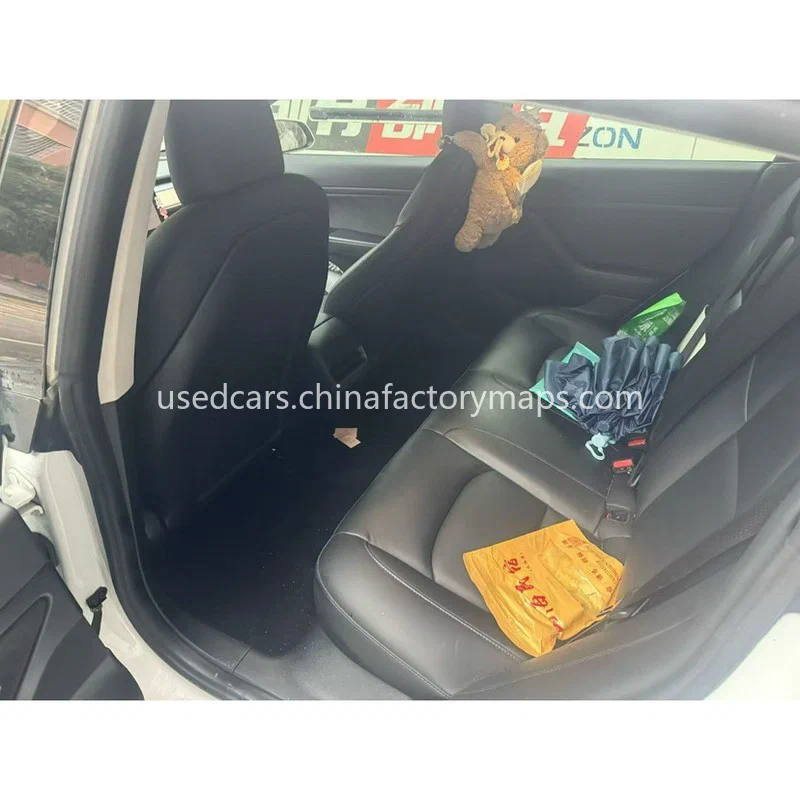
Domestic fleet turnover is changing the mix of used vehicles available for export from China, creating new sourcing opportunities and new questions for overseas buyers. As businesses replace vehicles and operators refresh their fleets, exporters may gain access to groups of vehicles with similar specifications, alongside individual cars entering the resale market. For buyers, the key issue is not simply availability but whether a vehicle’s condition, documentation, destination suitability and shipping route match the intended purchase.
Fleet turnover is changing the available supply
Fleet replacement can create a different sourcing pattern from traditional retail trade-ins. When a business renews its passenger cars, service vehicles or commercial fleet, multiple vehicles may become available within a relatively short period. Similar model years, equipment configurations and maintenance arrangements can make these groups worth investigating for dealers and wholesale buyers seeking consistent inventory.
That consistency should not be assumed. Vehicles from the same fleet may have different mileage, accident histories, operating conditions and maintenance records. Rental use, company transport and commercial service can also produce very different wear patterns. Buyers should request vehicle-level records rather than treating a batch as a uniform grade. Where several units are available, inspection findings should be recorded separately and matched to each vehicle identification number (VIN).
Fleet turnover also changes the balance between price and preparation work. A vehicle offered at an attractive purchase price may still require mechanical repairs, cosmetic work, document checks or export preparation. For wholesale sourcing, the relevant comparison is the total cost of acquiring and delivering an acceptable vehicle, not the advertised price alone.
What buyers should look for across China’s export clusters
The geographic distribution of exporters provides a practical starting point for research. Chinafactorymaps.com plots used vehicle exporters by location, allowing buyers to compare mapped suppliers and their distance from covered export ports. Its current listings span Guangdong, Hubei, Chongqing, Jiangsu, Henan, Sichuan, Beijing, Hunan and Shandong. These locations offer different starting points for a sourcing search, but geography alone does not establish inventory quality or export readiness.

Guangdong, including Guangzhou and Foshan, is one area buyers can examine when building a shortlist. Wuhan in Hubei, Chongqing, and Jiangsu locations such as Nanjing and Changzhou provide additional points for comparison. The useful question is whether a supplier in a particular cluster has the vehicle types, documentation and inspection arrangements required for the order. A map can narrow the search, but buyers still need to verify current stock and the exporter’s ability to handle the transaction.
Distance to port is another operational consideration. Shanghai Port, Ningbo-Zhoushan Port, Shenzhen Port, Guangzhou Port and Qingdao Port are among the covered options, alongside other listed ports. A supplier closer to a suitable loading port may reduce inland transport requirements, but the shortest route is not automatically the cheapest or most practical. The selected port must fit the shipping schedule, destination requirements and available vessel or container arrangements. Buyers should compare inland movement, handling, loading and ocean freight together before choosing a supplier.
Vehicle suitability matters more than headline price
Budget-led searches can obscure the difference between a low purchase price and a suitable export vehicle. Someone searching for good used cars under 6000 should first establish the currency, vehicle specification, destination and whether the budget covers the vehicle alone or the full delivered cost. Without those details, search results can combine vehicles that are not meaningfully comparable.
Destination rules are central to that assessment. Import markets set their own requirements for vehicle age, emissions, steering position, roadworthiness and supporting documents. These rules vary and can change, so buyers should confirm current requirements with the destination customs authority or a qualified local import agent before committing funds. Most vehicles produced for China’s domestic market are left-hand drive, which limits their suitability for markets that require right-hand-drive vehicles.
Used electric vehicles require additional checks. Battery state of health, usable capacity, charging compatibility and access to local servicing can affect their practical value after import. Battery condition should be supported by an appropriate diagnostic report where available, rather than inferred from dashboard range alone. Shipping arrangements may also depend on carrier requirements for battery-powered vehicles, including the documentation and handling conditions accepted for transport.
Export readiness and landed cost
Chinese used vehicle exports operate through designated export pilot cities and require the relevant export licensing, customs declaration and pre-shipment inspection procedures. Buyers should establish who is responsible for each step and what documents will be supplied before payment and dispatch. A supplier’s location on a directory is not proof that a particular vehicle has cleared inspection or that an export transaction has been approved.

Shipping commonly involves roll-on/roll-off (RoRo) service or vehicles loaded into containers. The appropriate method depends on vehicle type, shipment size, route availability and the carrier’s terms. Before confirming an order, buyers should obtain a written breakdown of vehicle cost, inland transport, port handling, inspection, export documentation and freight. Insurance, destination charges, import duties and local clearance costs should also be included when estimating landed cost.
For fleet batches, the purchase agreement should identify each vehicle and define the evidence required before shipment. Useful checks include matching VINs across vehicle records and export documents, verifying mileage against available service or inspection records, and reviewing photographs for damage or inconsistent condition descriptions. These checks reduce uncertainty but cannot guarantee a vehicle’s full history or future mechanical performance. A map-based directory helps buyers identify and compare potential exporters; independent verification remains necessary before a sourcing decision.
FAQ
Q: Does fleet turnover mean Chinese used cars are consistently cheaper for export?
A: Not necessarily. Fleet replacement can create batches of comparable vehicles, but purchase price, condition, preparation costs, inland transport and shipping all affect the final cost.
Q: How can overseas buyers compare Chinese used vehicle exporters?
A: Start by comparing exporter locations and distance to suitable ports, then verify available inventory, vehicle-level records, export documentation and destination import requirements. Request a landed-cost estimate before committing to an order.
Related Articles
Featured Exporters
Verified premium exporters on our map.
 Guangzhou JH auto co,ltd
Guangzhou, Guangdong
Nearest port: Guangzhou Port · 23 km
Guangzhou JH Auto Co., Ltd (JH Auto) buys used, left-hand-drive Chinese cars in China, inspects and documents …
 JH Auto Group
Guangzhou, Guangdong
Nearest port: Guangzhou Port · 24 km
At jh-usedcar.com, we’re more than just a seller; we’re your partner in finding exceptional value. We combine …