Before Ordering Composite Deck Boards, Confirm Dimensions First
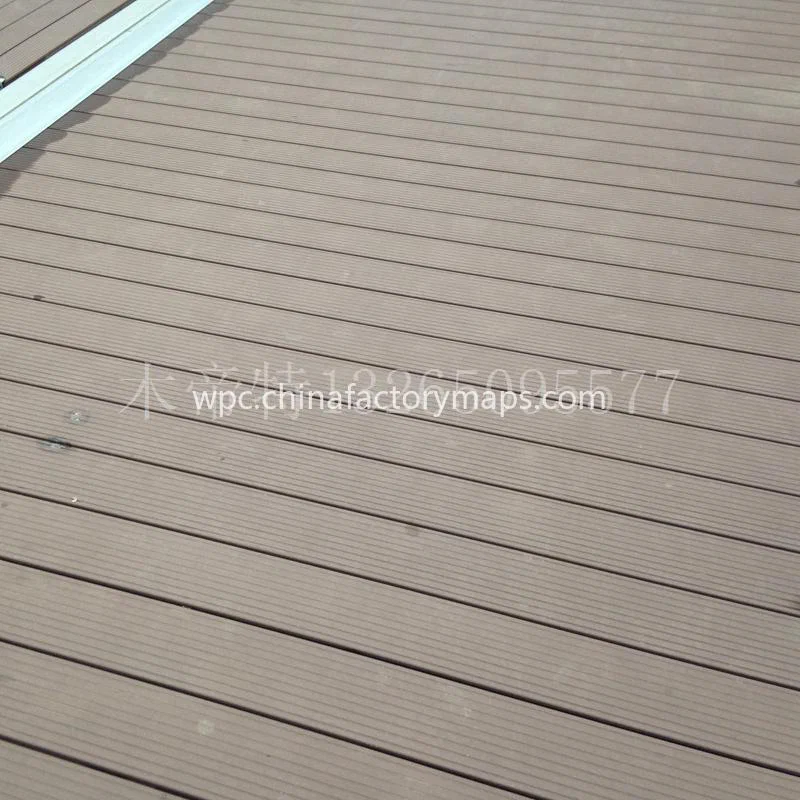
Composite deck board dimensions are a key specification for overseas buyers sourcing WPC products from China. This guide explains what to check before placing orders, how suppliers differ, and which details help separate manufacturers from trading companies.
Confirm board specifications before supplier comparison
The first review should focus on the actual board profile rather than appearance alone. Composite deck boards can vary in width, thickness, length, surface texture, and internal structure. These details affect installation planning, shipping arrangements, and compatibility with existing projects.
Buyers should request a full product specification sheet and confirm the intended use. A board designed for residential outdoor decking may not match requirements for commercial walkways or areas with higher foot traffic. The supplier should explain whether the board uses a solid or hollow structure, how the edges are finished, and which accessories are needed for installation.
Dimensions also need to be checked against local construction practices. Small differences in board width or thickness can change joist spacing, fastening methods, and the final layout. Temperature movement must also be considered because WPC expands and contracts with heat changes. Proper gaps between boards and a ventilated substructure are required.

Compare manufacturing capability, not only product photos

A real manufacturer should be able to explain its production process, material composition, available profiles, and quality checks without relying only on sales images. Buyers can ask about factory location, production equipment, sample availability, and whether the company produces the boards directly or sources them from another supplier.
China’s mapped WPC supplier clusters are spread across several manufacturing areas. Guangdong has a large concentration of listed suppliers, including factories around Foshan, Guangzhou, and Zhuhai. Anhui suppliers include locations such as Xuancheng, Suzhou, and Guangde, while Shandong, Zhejiang, Shanghai, and Jiangsu also contain mapped production sites. Location can affect logistics choices, especially when comparing distance to export ports.
A supplier near a suitable shipping route may simplify coordination, but port access should be reviewed alongside product capability. Export options may involve ports such as Shanghai Port, Ningbo-Zhoushan Port, Shenzhen Port, Qingdao Port, or Guangzhou Port depending on the factory location and shipping plan.
Questions that reveal supplier differences
Before ordering, buyers should ask whether the listed dimensions are standard production sizes or customized profiles. Some factories focus on common decking sizes, while others support OEM manufacturing with different moulds and surface treatments. Custom requests may require more discussion about production limits and timing.

Colour selection also needs attention. WPC boards can experience colour fading under sustained UV exposure, so suppliers should explain expected outdoor performance rather than making absolute claims. The material resists moisture and insects better than traditional wood in many applications, but it is not indestructible and still requires correct installation and care.
Samples are useful for checking more than colour. Buyers should measure the actual board dimensions, inspect the surface finish, review edge quality, and compare the sample with the technical information provided. A mismatch between sample details and written specifications can indicate problems before a bulk order is placed.

Common sourcing issues often come from unclear communication. A buyer may approve a sample without confirming final dimensions, accessories, packaging requirements, or installation methods. These details should be agreed in writing before production begins, especially when ordering for projects with fixed drawings or site requirements.
FAQ
Q: Why do composite deck board dimensions need to be confirmed before ordering? A: Dimensions affect installation layout, material calculations, and compatibility with other deck components. Small profile differences can create problems during construction.
Q: How can a buyer identify a WPC factory instead of a trading company? A: Buyers can ask about factory location, production capability, available profiles, and the ability to provide technical product information directly.
Q: Are WPC deck boards completely maintenance-free? A: No. WPC boards generally need less maintenance than natural wood, but they still require correct installation, cleaning, and inspection over time.
Related Articles
Featured Suppliers
Verified premium suppliers on our map.