Best Composite Decking Options for Poolside Durability
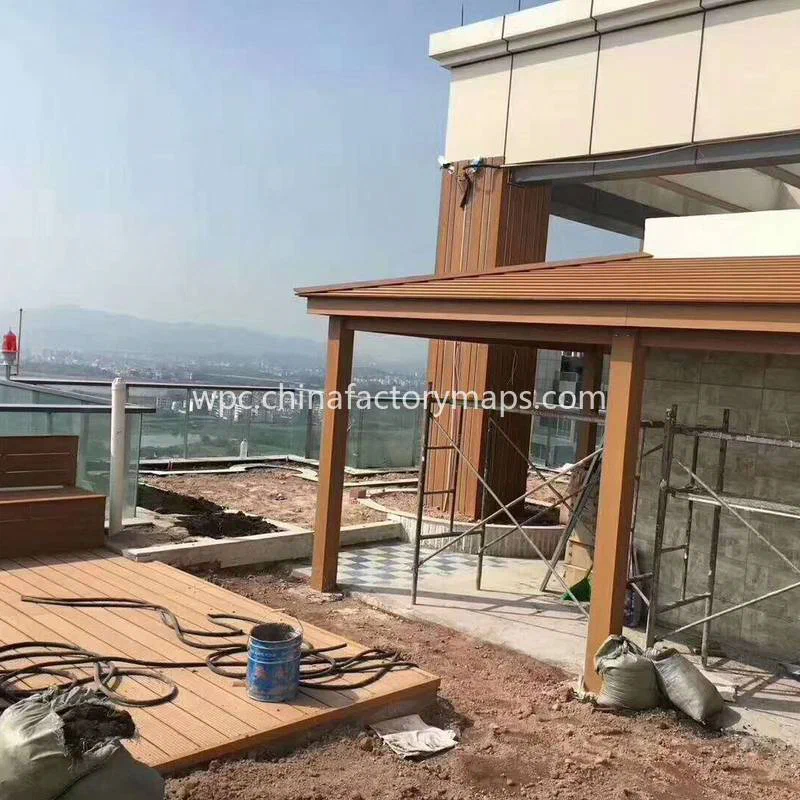
Selecting the right composite decking for poolside applications requires attention to specific material properties and design features. Unlike general outdoor decking, poolside installations face unique challenges, including constant exposure to water, UV radiation, and fluctuations in temperature. This article offers a focused comparison of composite decking materials for these demanding conditions, highlighting key construction differences and how they translate into performance.
Material Composition and Moisture Resistance
Composite decking is typically made from a blend of wood fibers and plastic, but the exact formulation varies among manufacturers. For poolside use, a higher plastic-to-wood ratio can improve moisture resistance, reducing the risk of swelling or warping over time. Additionally, co-extrusion technology, which encapsulates the core material with a polymer shell, offers an extra layer of protection against water intrusion. While no composite decking is entirely waterproof, these advancements make certain options better suited for high-moisture environments.

Thermal Expansion and Installation Gaps
One of the less visible but critical considerations is thermal expansion. Composite materials expand and contract with temperature changes, which can lead to buckling or gaps if not properly installed. Poolside decking often experiences more extreme temperature shifts due to direct sunlight and wet-dry cycles. Manufacturers usually provide specific guidelines for gapping and fastener spacing to accommodate this movement. Decking with reinforced cores or engineered stabilizers may offer more dimensional stability, reducing the likelihood of such issues.
UV Resistance and Color Retention

Sustained UV exposure can lead to fading or discoloration of composite decking around pool areas. Some products are treated with UV inhibitors to slow this process, but not all perform equally. Capped composite decking generally provides better UV resistance compared to uncapped options, as the outer layer is engineered to shield against the sun. However, even high-quality products will experience some degree of fading over time, especially in regions with intense sunlight like Guangdong or Shandong.
Surface Texture and Anti-Slip Features
Safety is a primary concern in poolside settings, where wet surfaces can become slippery. Composite decking options with textured or grooved surfaces provide better traction, reducing the risk of slips and falls. Some manufacturers offer boards specifically designed with anti-slip coatings, which may be a worthwhile consideration for high-traffic areas or for facilities like public pools. It’s important to note that while these coatings improve grip, they might require periodic reapplication depending on wear.

Environmental Considerations
Sustainability is increasingly influencing material choices, particularly for outdoor applications. Many composite decking manufacturers use recycled materials in their products, which can appeal to eco-conscious buyers. However, the sourcing and proportion of recycled content vary. Poolside installations should balance environmental goals with performance needs, as some eco-friendly formulations may compromise durability or moisture resistance.
Regional Factors and Export Logistics
For overseas buyers sourcing from Chinese manufacturers, regional production hubs like Guangdong or Zhejiang offer distinct logistical advantages. Proximity to major export ports such as Shenzhen or Ningbo-Zhoushan can reduce transportation costs and delivery times. Additionally, certain regions specialize in specific technologies, such as co-extrusion or anti-slip finishes, which may align better with poolside requirements. Buyers should consider these regional strengths when evaluating suppliers listed on platforms like ChinaFactoryMaps.
FAQ
Q: Can composite decking be installed directly around pool edges?
A: Yes, but installation must follow specific spacing guidelines to accommodate thermal expansion and ensure proper water drainage.
Q: Does composite decking require maintenance in poolside settings?
A: While lower maintenance than wood, composite decking may still need cleaning to remove water stains and periodic checks for surface wear.
Q: Is capped composite decking worth the extra cost for poolside use?
A: Capped decking offers better moisture and UV resistance, making it a good investment for high-exposure areas like poolsides.
Featured Suppliers
Verified premium suppliers on our map.