
Capped vs Uncapped Composite Deck Boards in Design Applications
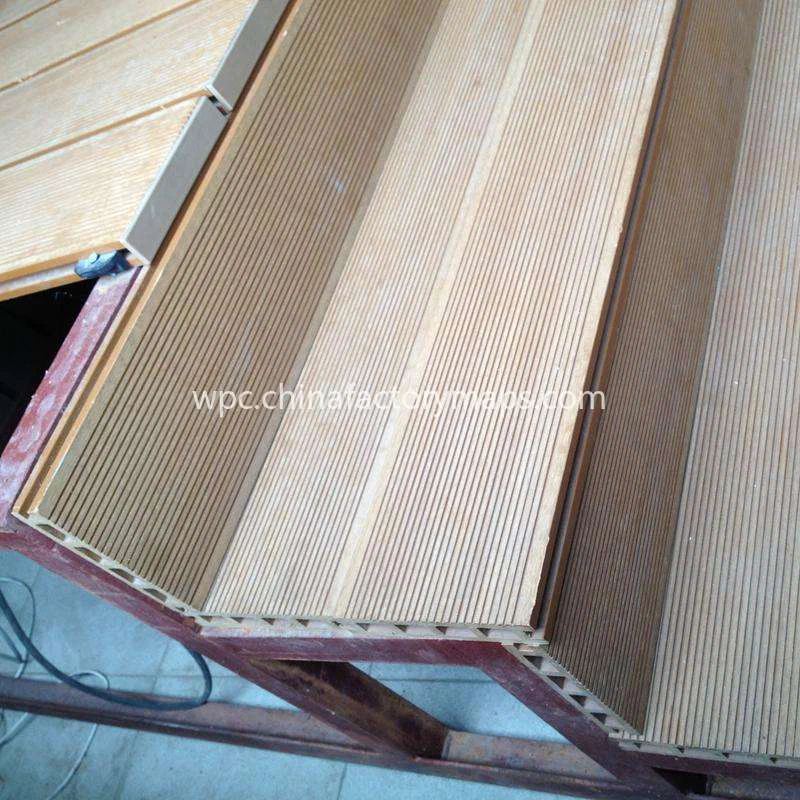
Capped and uncapped composite deck boards differ mainly in their surface construction, which affects appearance, moisture exposure, UV performance and installation requirements. For buyers comparing design applications, the distinction matters because the board’s outer layer influences how it performs in different outdoor settings, while the underlying WPC formulation and installation remain equally important.
Surface construction and material differences

Uncapped composite decking is generally manufactured from a wood-fibre and polymer mixture without a separate protective polymer shell. The material is consistent through its cross-section, so the exposed surface has a relatively uniform composition. This construction can provide a natural-looking finish, although the surface remains more exposed to moisture, staining and environmental weathering. Its performance depends heavily on the quality of the raw materials, formulation and manufacturing process.
Capped composite decking uses a similar WPC core but adds an outer polymer layer, often applied through co-extrusion. This shell covers some or all of the exposed board surfaces, depending on the product design. It provides an additional barrier against moisture penetration, surface staining and UV exposure. The cap can also carry embossed wood-grain textures and colour finishes. However, capped construction does not make a board indestructible or completely waterproof. Edge cuts, fastening points and damaged surfaces still require attention.

Design applications and visual considerations
For projects prioritising a straightforward wood-like appearance, uncapped boards can be suitable for garden decking, residential terraces and covered outdoor areas. Their surface characteristics may also suit designs where the decking is not exposed to continuous moisture or intense sunlight. Colour and texture choices depend on the manufacturer’s production capabilities. Buyers reviewing composite deck designs pictures should distinguish between genuine product photography and digitally rendered project images, since lighting and post-processing can make surface finishes appear different from their actual appearance.
Capped boards are often considered for exposed terraces, poolside decking and commercial outdoor spaces where surface staining and repeated moisture contact are important design considerations. Their protective layer offers greater resistance to many common environmental effects, while a wider range of surface textures and colour treatments may support more detailed architectural specifications. Anti-slip performance should be checked through product-specific test information rather than assumed from the presence of a textured cap. The same applies to resistance against fading under sustained UV exposure.
Installation and long-term performance
Neither construction eliminates thermal movement. WPC boards expand and contract as temperatures change, so installers must follow the manufacturer’s specified expansion gaps, fixing positions and board-end clearances. A ventilated substructure is essential to allow airflow and reduce moisture accumulation beneath the deck. Fastening methods also differ by product: some boards use visible screws, while others support concealed clips. Capped profiles may have specific restrictions on screw placement or cutting, particularly where the protective shell must remain intact. Mixing fastening systems without checking compatibility can affect board stability.
Maintenance requirements also differ. Uncapped boards may need more frequent surface cleaning because stains and environmental deposits can interact directly with the exposed composite material. Capped boards generally offer easier removal of many surface contaminants, but dirt can still collect in embossed grooves. Both types can experience colour changes over time, especially under sustained sunlight. Buyers should request samples and compare them after exposure to representative outdoor conditions where possible. The intended cleaning method should also be confirmed before specifying detergents or pressure-washing equipment.
Supplier evaluation for sourcing decisions
For overseas buyers sourcing through Chinafactorymaps.com, the comparison should extend beyond product photographs and headline descriptions. The directory maps WPC suppliers across Guangdong, Anhui, Shandong, Zhejiang, Shanghai and Jiangsu, allowing buyers to examine manufacturing locations in relation to major export ports. This geographic information can help narrow supplier searches and assess potential transport arrangements, although port proximity alone does not establish product quality or shipping cost.
Technical enquiries should cover the core formulation, cap material, co-extrusion process, colour consistency, surface texture, dimensional tolerances and installation instructions. Buyers should also request cross-sectional samples to verify whether the board is capped and whether the protective layer covers the intended surfaces. Relevant UV, moisture, slip-resistance and mechanical test reports should correspond to the actual product being quoted. A clear comparison of capped and uncapped samples under the same lighting and inspection conditions provides a more useful basis for design selection than catalogue images alone.

FAQ
Q: Is capped composite decking better than uncapped decking?
A: Capped decking generally provides better surface protection against moisture, staining and UV exposure. Uncapped decking may suit less exposed applications where its construction and appearance meet the project requirements.
Q: Can capped and uncapped composite boards be used together?
A: They can be incorporated into the same project, but differences in colour, texture, dimensions and thermal movement need consideration. Installation specifications and fastening compatibility should be checked before combining products.
Q: What should buyers check when sourcing capped WPC decking from China?
A: Buyers should verify the cap material, core formulation, co-extrusion quality, product test reports and installation specifications. Factory location and distance to an export port can also help inform sourcing and logistics decisions.
Related Articles
Featured Suppliers
Verified premium suppliers on our map.
