
Changes in WPC Production: From Hollow to Solid Solutions
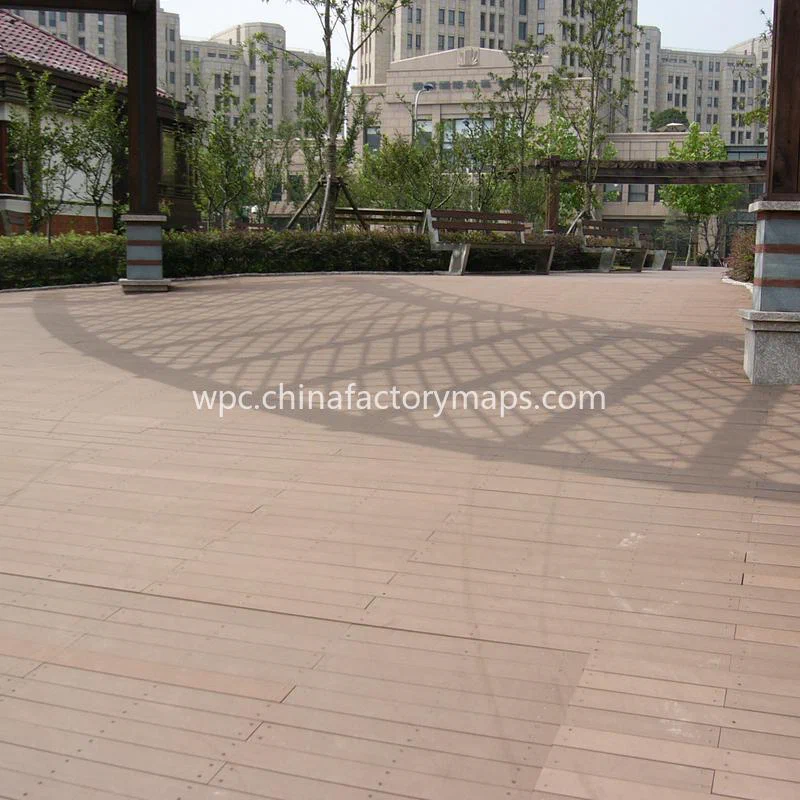
Recent shifts in the production of wood-plastic composites (WPC) indicate a movement from hollow to solid solutions. This change reflects evolving consumer preferences and advancements in manufacturing technologies. As buyers source materials, understanding these trends can help inform purchasing decisions.
Historically, hollow WPC products dominated the market due to their affordability and lightweight characteristics. However, solid WPC options are gaining traction as they offer enhanced durability and an improved aesthetic. Solid profiles tend to resist warping and provide a more robust solution for applications like decking and cladding. This transition signifies a response to market demands for products that can withstand environmental challenges while maintaining structural integrity.

Many manufacturers are adopting advanced co-extrusion methods, which allow for a solid core to be encased in a protective layer. This technique not only enhances the durability of WPC products but also improves their resistance to UV fading and moisture absorption. Companies in provinces such as Guangdong and Zhejiang are at the forefront of this manufacturing shift, producing solid WPC products that cater to both residential and commercial markets. Buyers can benefit from sourcing these innovative products, as they often require less maintenance over time compared to their hollow counterparts.

The emphasis on eco-friendly materials is another factor driving this change. As sustainability becomes increasingly important, solid WPC solutions often incorporate recycled materials, appealing to environmentally conscious consumers. This trend aligns with global initiatives aimed at reducing plastic waste and promoting sustainable building practices. Buyers looking for WPC massiv oder hohlkammer options should prioritize suppliers that emphasize eco-friendly manufacturing processes.
Moreover, the geographical clustering of WPC manufacturers in regions like Shandong and Anhui provides buyers with logistical advantages. Proximity to major export ports, such as Qingdao and Shenzhen, can reduce shipping times and costs. This is particularly relevant for overseas buyers who require timely delivery of materials for construction projects. The mapping of these suppliers on platforms like chinafactorymaps.com enables buyers to filter options based on location and distance to ports, streamlining their sourcing process.

The shift from hollow to solid WPC solutions represents a significant trend in the industry, with implications for quality, sustainability, and logistics. Buyers sourcing WPC must consider the benefits of solid products and align their purchasing strategies with this evolving market landscape. This transition not only meets consumer expectations but also positions manufacturers for future growth by addressing the demand for high-performance, eco-friendly building materials.

FAQ
Q: What are the main benefits of solid WPC products compared to hollow ones?
A: Solid WPC products offer improved durability, resistance to warping, and a more appealing aesthetic, making them suitable for various applications.
Q: How do co-extrusion techniques enhance WPC products?
A: Co-extrusion allows for a solid core with a protective outer layer, increasing durability and resistance to UV fading and moisture.
Q: Why is sourcing from geographically clustered manufacturers advantageous?
A: Proximity to major export ports can reduce shipping times and costs, benefiting overseas buyers looking for efficient logistics.
Related Articles
Featured Suppliers
Verified premium suppliers on our map.
