
China's Composite Decking Clusters for Garden Bed Applications
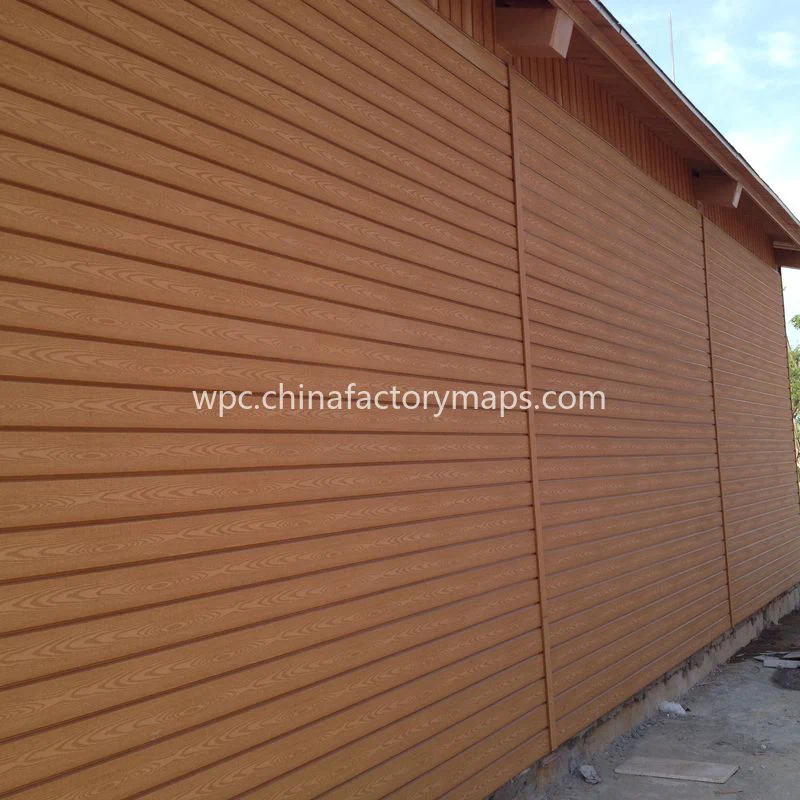
China’s WPC factory map shows that composite decking for garden beds is concentrated in several manufacturing regions rather than being limited to one production base. The mapped suppliers are mainly located in Guangdong, Anhui, Shandong, Zhejiang, Shanghai, and Jiangsu, with each area connected to different parts of the supply chain. For buyers comparing regions, factory location provides a practical view of material access, production capability, and export routes.
Guangdong is the largest cluster in the directory, with suppliers listed across Foshan, Guangzhou, and Zhuhai. The region benefits from a long-established manufacturing network, experienced extrusion labour, and access to major export gateways including Shenzhen Port and Guangzhou Port. WPC decking production requires consistent processing of wood fibre, polymers, additives, and surface treatments, so regions with broader plastics and building materials industries can support a wider range of manufacturing operations. Guangdong’s coastal position also makes it a key option for buyers focused on southern China logistics.
Anhui has another notable group of mapped factories, including locations such as Xuancheng, Suzhou, and Guangde. This cluster reflects the availability of industrial land, manufacturing capacity, and links with eastern China supply chains. Zhejiang and Jiangsu suppliers, including those around Huzhou, Jiaxing, Hangzhou, and Nanjing, are positioned near established manufacturing centres and export connections through ports such as Ningbo-Zhoushan Port, Shanghai Port, and Taicang Port. These locations can be relevant for buyers balancing factory access with shipping efficiency.

Shandong’s WPC suppliers, including those in Zibo, Linyi, and Qingdao, form a northern production group with connections to Qingdao Port and other regional transport routes. Shanghai-based suppliers add another option for buyers seeking proximity to a major international shipping hub. The map view helps separate regional strengths: southern clusters often connect closely with coastal manufacturing networks, while eastern and northern clusters provide alternatives based on industrial background and port selection. Regardless of location, buyers should review product specifications carefully. WPC decking expands and contracts with temperature changes, so garden bed applications require correct spacing and a ventilated substructure. The material resists moisture and insects, but it is not indestructible, and sustained UV exposure can affect colour over time.

Regional selection also affects supplier communication, sampling, and production coordination. A buyer sourcing outdoor decking may compare a factory near Shenzhen Port with one near Shanghai Port or Qingdao Port depending on destination, inspection needs, and transport planning. The map does not rank factories, but it provides geographic context for evaluating where manufacturing capability is concentrated and how regional infrastructure may influence sourcing decisions.

FAQ
Q: Why are WPC decking factories clustered in certain Chinese provinces? A: Clusters develop where raw material suppliers, extrusion equipment, skilled labour, and related manufacturing industries are already established. Port access also influences where export-oriented factories operate.
Q: Is WPC decking suitable for garden bed applications? A: WPC decking can be used around garden bed structures when installed with proper spacing and ventilation. It should be selected and installed according to environmental conditions because it can expand, contract, and experience colour changes under UV exposure.
Q: Which ports are relevant when sourcing WPC decking from China? A: Relevant ports in the mapped regions include Shanghai Port, Ningbo-Zhoushan Port, Shenzhen Port, Guangzhou Port, Qingdao Port, and other covered export ports. The best option depends on the factory location and shipping route.
Related Articles
Featured Suppliers
Verified premium suppliers on our map.
