China’s Composite Panel Makers Adapt Through New Production
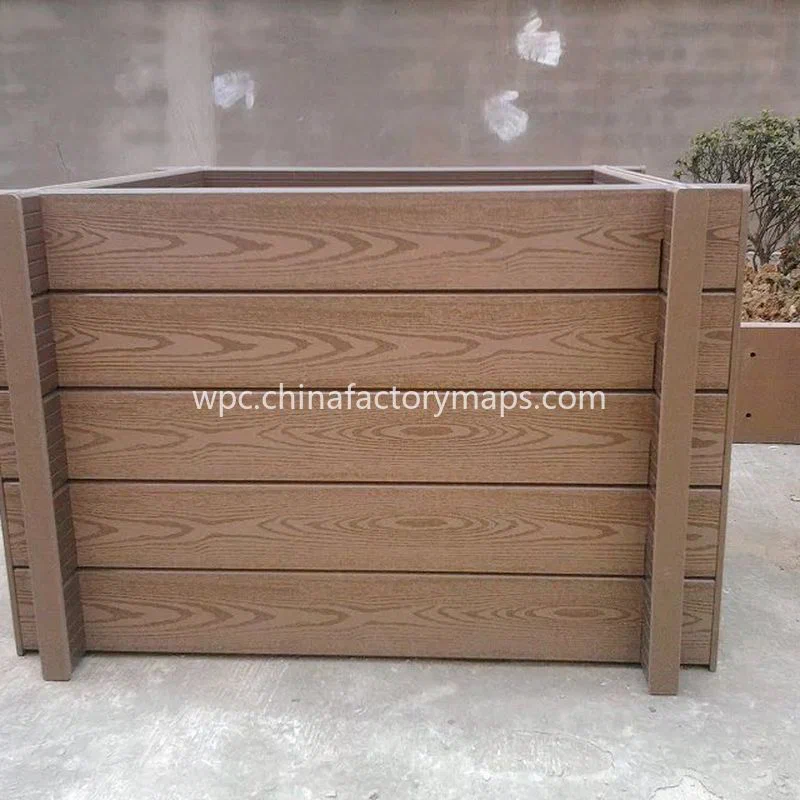
Chinese WPC manufacturers are adjusting production methods as buyers increasingly compare suppliers by location, product capability, and export access. This article examines how composite panel production is shifting within China’s wood-plastic composite sector and what those changes mean for sourcing decisions.
Production shifts across supplier regions

Factories mapped across Guangdong, Anhui, Shandong, Zhejiang, Shanghai, and Jiangsu are showing a broader move toward more specialized production. Rather than focusing only on basic profiles, manufacturers are expanding attention to finished outdoor applications, surface treatments, and product variations that match different project requirements.
The shift is partly driven by overseas buyers asking for more consistent appearance, easier installation systems, and materials suited to different climates. WPC products still require careful engineering because they expand and contract with temperature changes. Manufacturers are refining board structures, surface layers, and processing controls to address these practical installation concerns.

Production clusters also influence sourcing choices. Suppliers in Guangdong, including Foshan, Guangzhou, and Zhuhai, are positioned near major southern export routes such as Shenzhen Port and Guangzhou Port. Other clusters, including those in Zhejiang and Jiangsu, provide access to eastern logistics networks connected with Ningbo-Zhoushan Port, Shanghai Port, and Taicang Port.
What buyers are checking during supplier selection
Buyers are placing more attention on factory location alongside product specifications. Distance to export ports can affect shipping arrangements, while regional concentration can make supplier comparisons easier during early sourcing research.
Material performance remains a key evaluation point. WPC resists moisture and insects better than untreated wood, but it is not indestructible. Outdoor installations still need proper gapping and a ventilated substructure to manage movement and moisture exposure. Colour stability is another consideration, as sustained UV exposure can cause fading over time.
Manufacturers are also adapting to requests for lower maintenance outdoor materials without presenting them as maintenance-free products. Cleaning requirements, installation methods, and local weather conditions remain part of the buyer’s assessment process.

The supplier map on chinafactorymaps.com reflects these manufacturing changes by showing where WPC factories are located and which export ports serve each area. For buyers sourcing now, geographic information can help narrow supplier searches before technical discussions begin.

FAQ
Q: Why does factory location matter when sourcing WPC products?
A: Factory location can affect export logistics, shipping arrangements, and the range of nearby supplier options available for comparison.
Q: Does WPC require installation planning?
A: Yes. WPC products need correct spacing and a ventilated support structure because temperature changes can cause expansion and contraction.
Q: Can WPC products avoid all outdoor maintenance?
A: No. WPC generally needs less upkeep than many wood alternatives, but cleaning and periodic checks remain part of outdoor use.
Related Articles
Featured Suppliers
Verified premium suppliers on our map.