
Choosing a WPC Online Shop for Large Outdoor Renovation Projects
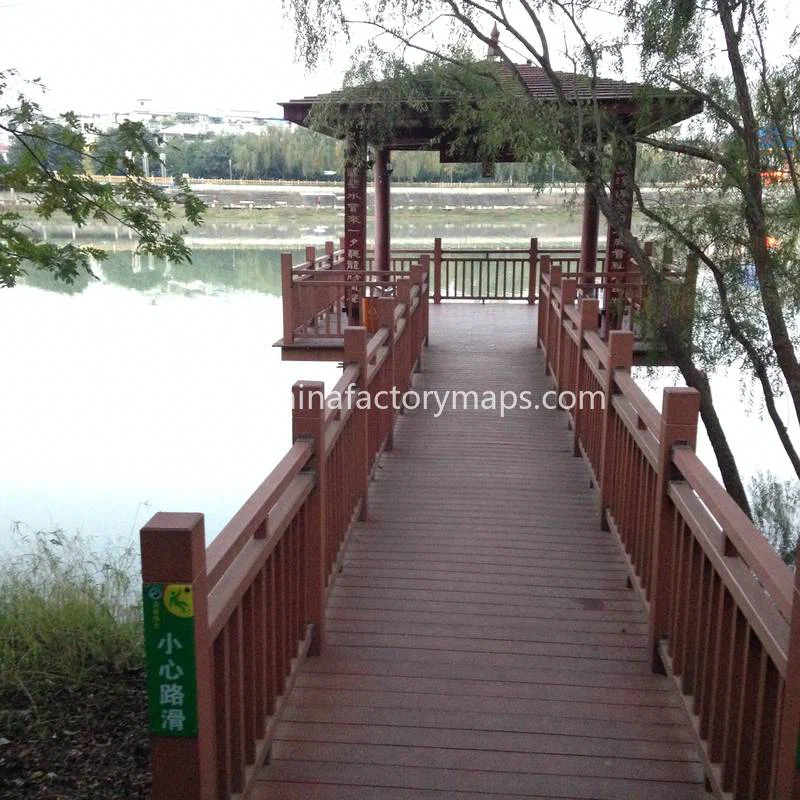
Large outdoor renovation projects place different demands on wood-plastic composite (WPC) decking depending on the site, climate and expected traffic. Buyers comparing a wpc online shop with direct factory sourcing need to establish whether the proposed boards suit the installation environment, then assess production capacity, specification consistency and shipping routes. Chinafactorymaps.com helps buyers compare mapped Chinese WPC suppliers by production region and distance to export ports, providing a starting point for sourcing enquiries.
Coastal promenades, resort terraces and poolside areas require particular attention to moisture exposure, surface traction and corrosion around fixings. WPC resists moisture and insect damage better than untreated timber, but it is not completely waterproof or immune to deterioration. Salt-laden air can affect metal fasteners and supporting components, so buyers should request details of compatible corrosion-resistant hardware and suitable substructure materials. For high-UV locations, ask for information on colour stability, UV protection and expected weathering; colour can fade with prolonged exposure even when the boards remain serviceable. Heavy foot traffic calls for documented load capacity, appropriate board profiles and clear joist-spacing recommendations. In colder climates, freeze-thaw cycles make drainage and installation details especially important. Boards expand and contract as temperatures change, so specified expansion gaps, adequate ventilation beneath the deck and correct fixing methods are essential. Sample boards and technical data should be reviewed before approving a bulk order.

China’s mapped supplier clusters offer several starting points for project-specific enquiries. Guangdong has the largest listed group, with suppliers in Foshan, Guangzhou and Zhuhai, making it a practical region to investigate for outdoor projects requiring coordinated sourcing and export planning. Anhui, including Xuancheng, Suzhou and Guangde, provides another cluster for buyers comparing manufacturers across inland locations. Shandong, with suppliers in Zibo, Linyi and Qingdao, is worth examining when the project requires a comparison of northern production locations and shipping options. Zhejiang’s Huzhou, Jiaxing and Hangzhou cluster offers additional candidates, while Shanghai and Jiangsu, including Nanjing, broaden the available sourcing map. These locations are starting points, not proof of product suitability or factory capability. Buyers should request production samples, installation drawings, batch tolerances, test reports relevant to the intended application and written confirmation of available production capacity. Comparing factory locations with Shanghai Port, Ningbo-Zhoushan Port, Shenzhen Port, Qingdao Port or Guangzhou Port can also help identify potential freight advantages. Port distance alone does not determine total landed cost; inland transport, loading arrangements, shipping schedules and destination handling must also be checked. A directory listing supports supplier discovery, but technical verification and commercial due diligence remain necessary before placing an order.

FAQ
Q: What should buyers check before sourcing WPC decking for coastal projects?
A: Confirm suitability for salt-air exposure, ask about corrosion-resistant fixings, and review drainage, ventilation and surface-slip performance for the intended setting.
Q: Which Chinese regions should buyers compare for large WPC projects?
A: Guangdong, Anhui, Shandong and Zhejiang are useful starting points within the mapped supplier network. Shanghai and Jiangsu provide additional locations for comparison.
Q: Does choosing a factory near an export port guarantee lower shipping costs?
A: No. Inland transport, cargo handling, shipping schedules and destination charges also affect the total landed cost.
Featured Suppliers
Verified premium suppliers on our map.
