Choosing Between Composite Decking and Pressure-Treated Wood
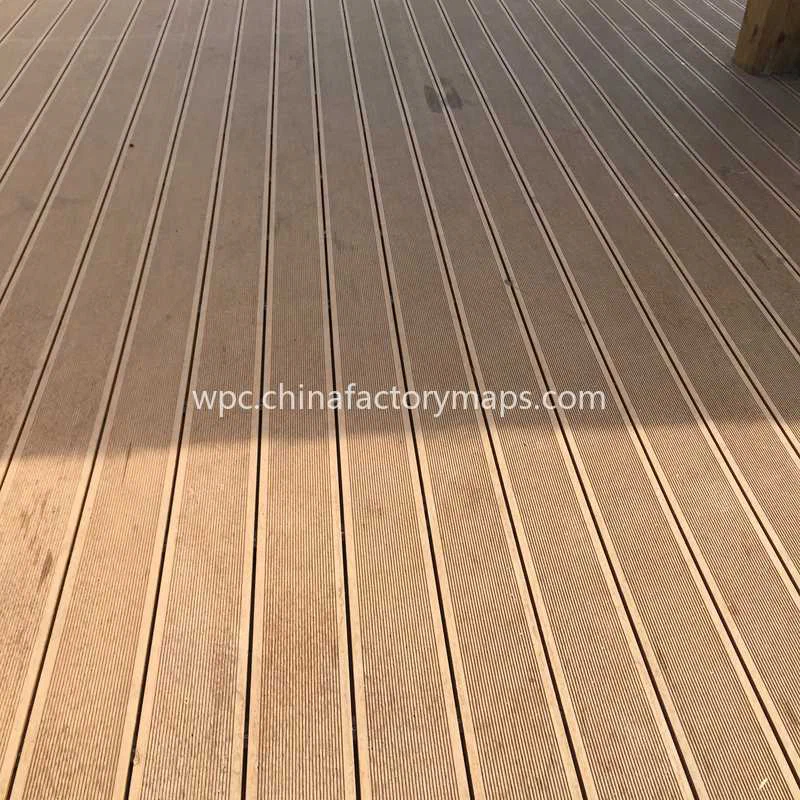
When selecting between composite decking and pressure-treated wood, understanding supplier geography can streamline decision-making. Composite decking suppliers in China are concentrated in provinces like Guangdong, Anhui, Shandong, Zhejiang, Shanghai, and Jiangsu. Each cluster’s proximity to major export ports, such as Shanghai Port or Shenzhen Port, influences logistics, transit costs, and lead times. Buyers sourcing for bulk orders or OEM manufacturing need to weigh these factors alongside material quality and certification standards.
Regional Supplier Clusters

Chinese manufacturers of composite decking, a popular alternative to pressure-treated wood, often operate in regional clusters. Guangdong, with cities like Foshan and Guangzhou, leads in supplier density, offering logistical advantages due to its proximity to Shenzhen Port and Guangzhou Port. Anhui, including cities like Xuancheng and Suzhou, is another significant hub, balancing a strategic inland location with reasonable access to ports such as Ningbo-Zhoushan. Buyers working within tight shipping schedules may prioritize suppliers near coastal ports, while those exploring longer-term partnerships might consider inland factories with competitive pricing.

Supplier clusters often develop around existing infrastructure, skilled labor pools, and local demand for wood-plastic composite products. For example, Zhejiang’s manufacturers, located near Huzhou and Jiaxing, benefit from strong ties to Ningbo-Zhoushan Port. Similarly, Jiangsu’s facilities near Nanjing connect to Shanghai Port, one of the busiest in the region. These logistical networks can reduce shipping complexities, but buyers should confirm handling times and port congestion levels during supplier vetting.

Vetting Suppliers for Composite Decking
When comparing composite decking to pressure-treated wood, product specifications and certifications are key benchmarks. Composite decking resists moisture and insects but requires proper installation gapping due to thermal expansion. Suppliers should be vetted for reliable testing data, including UV resistance and fire ratings, especially for outdoor installations like poolside or balcony decking. Buyers can request material samples or testing reports during the vetting process to validate claims.
Production capacity is another critical factor. Larger factories in clusters like Guangdong or Zhejiang often scale easily for bulk orders, while smaller facilities may offer specialized services, including co-extrusion decking or customized colors. Buyers should inquire about lead times, particularly for non-standard orders, as demand surges for composite decking can extend delivery schedules. Clear communication about capacity, production timelines, and port readiness helps avoid delays.
Leveraging the Map Directory

China Factory Maps offers a geographical overview of suppliers, simplifying the search for manufacturers of composite decking. By filtering suppliers by location, buyers can evaluate logistics based on proximity to ports like Qingdao or Guangzhou. The platform also highlights supplier clusters, helping buyers identify regions with competitive advantages, such as established export networks or access to raw materials.
The directory is particularly beneficial for buyers weighing composite decking against pressure-treated wood. While pressure-treated wood might be readily available from domestic suppliers, composite decking often requires a deeper dive into overseas sourcing. With mapped locations and port connections, buyers can calculate transit costs and timeframes more accurately, ensuring smoother procurement workflows.
FAQ
Q: What logistical factors should I consider when sourcing composite decking from China? A: Proximity to major export ports, supplier cluster advantages, and production capacity are key factors to evaluate.
Q: How does composite decking compare to pressure-treated wood in terms of durability? A: Composite decking resists moisture and insects better than pressure-treated wood but requires installation considerations like thermal expansion gaps.
Related Articles
Featured Suppliers
Verified premium suppliers on our map.