
Choosing Chinese WPC Decking Suppliers by Thickness and Location
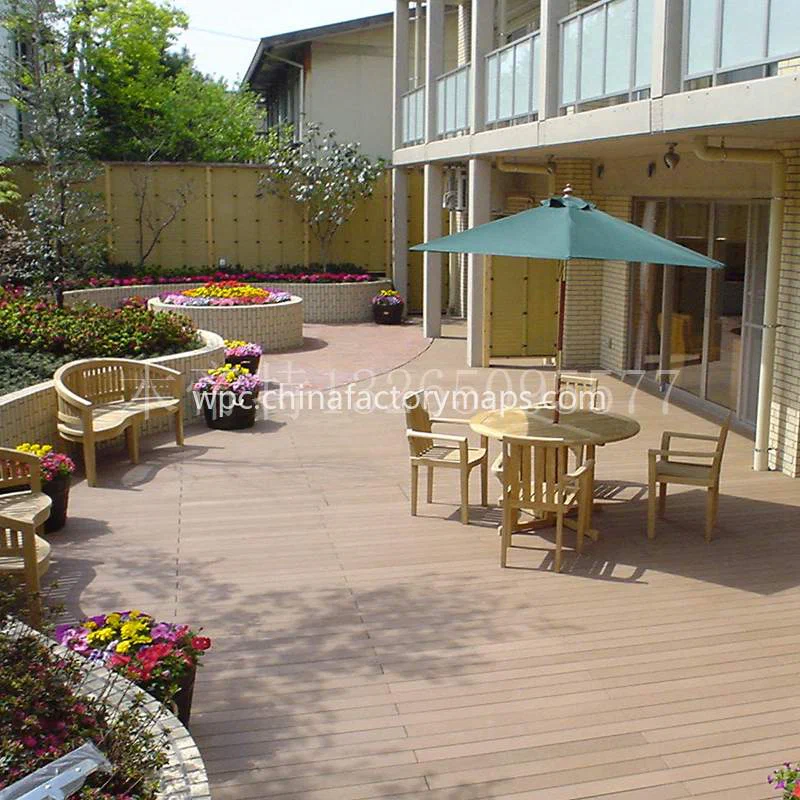
Selecting a Chinese WPC decking supplier requires more than comparing board specifications. Thickness affects the intended application, structural performance and installation requirements, while factory location influences transport arrangements and export routing. Buyers can assess both factors together to narrow the supplier shortlist before requesting samples and quotations.
The first step is to establish the required wpc decking thickness against the project design. Thicker boards are not automatically suitable for every installation. Intended use, board profile, internal structure, joist spacing, fastening method and expected loading all affect product suitability. Buyers should request technical drawings and confirm whether stated thickness refers to the complete board or a particular layer in a co-extruded product. Sample measurements should be checked against the supplier’s specifications. Temperature-related expansion and contraction also require attention. Installation instructions should specify appropriate board gaps and a ventilated substructure rather than relying on thickness alone to determine performance. WPC resists moisture and insects, but prolonged UV exposure can fade colour, and the material is not indestructible. Consistent production dimensions and clear installation guidance are useful indicators during supplier evaluation.

Geography provides a practical second filter. Guangdong has the largest mapped supplier cluster, with listings around Foshan, Guangzhou and Zhuhai. Anhui suppliers are concentrated around Xuancheng, Suzhou and Guangde, while Shandong listings include Zibo, Linyi and Qingdao. Zhejiang covers Huzhou, Jiaxing and Hangzhou, with additional suppliers mapped in Shanghai and Jiangsu. Cluster membership helps buyers identify areas where several potential factories can be compared within the same sourcing region. It does not establish manufacturing quality or production capacity. Port proximity adds another consideration. Depending on factory location and shipping arrangements, relevant export gateways include Shenzhen Port, Guangzhou Port, Shanghai Port, Ningbo-Zhoushan Port and Qingdao Port. Inland transport distance, available freight routes and the handling of finished boards should be checked before treating the nearest port as the most economical option.

The directory at chinafactorymaps.com supports this initial screening by plotting 49 mapped WPC suppliers across the six listed provincial-level locations and Shanghai. Buyers can filter the field geographically and assess distances to covered export ports before contacting factories. The map is a sourcing reference, not a supplier endorsement or product certification. Once a shortlist has been established, request the same information from each factory: available board thicknesses, dimensional tolerances, profile drawings, material composition, production capacity, sample availability and export experience. Ask whether the factory manufactures the decking itself or outsources part of production. Confirm the proposed port, inland transport arrangements and packaging dimensions. For projects requiring a particular thickness or surface finish, obtain a production sample and compare it with the approved specification. These checks help distinguish a geographically convenient listing from a factory that can meet the actual project requirements.

FAQ
Q: Does a thicker WPC decking board always provide better performance?
A: No. Board structure, material composition, joist spacing and intended loading also determine suitability. Thickness should be assessed alongside the manufacturer’s technical specifications.
Q: How should buyers use factory location when comparing Chinese WPC suppliers?
A: Start with nearby supplier clusters, then compare inland transport distances and access to relevant export ports. Location narrows the search but does not replace factory and product verification.
Related Articles
Featured Suppliers
Verified premium suppliers on our map.
