
Choosing Composite Cladding for Bay Window Projects
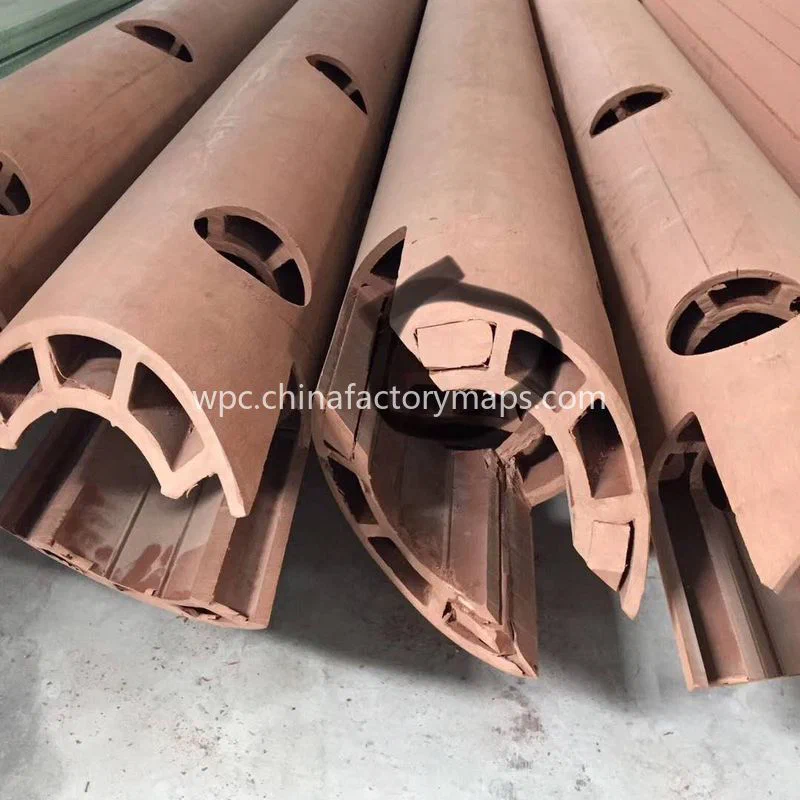
Composite cladding bay window projects require supplier choices that consider both product performance and factory location. This page explains how geographic mapping, regional clusters, and supplier checks can help buyers narrow suitable WPC cladding sources in China.
Using geography to shortlist suppliers

For bay window applications, location can reduce the number of factories that need detailed review. A buyer looking for composite cladding bay window materials can first examine mapped supplier clusters and compare factories by region and access to export routes. The directory groups WPC manufacturers across Guangdong, Anhui, Shandong, Zhejiang, Shanghai, and Jiangsu, allowing sourcing teams to identify areas with multiple suppliers rather than relying on isolated searches.
Cluster membership can provide useful context during early screening. Guangdong suppliers, including those around Foshan, Guangzhou, and Zhuhai, are positioned near major southern export routes. Zhejiang suppliers near Huzhou, Jiaxing, and Hangzhou have access to established manufacturing networks, while factories in Shandong and Anhui may offer different regional logistics options. Location does not confirm product quality, but it helps buyers organize supplier research.
A factory’s distance from ports also affects planning. Export routes may involve ports such as Shenzhen Port, Guangzhou Port, Shanghai Port, Ningbo-Zhoushan Port, or Qingdao Port depending on factory location and shipping arrangements. The map directory helps buyers compare geographic positions before requesting samples, technical documents, or production details.

What factory location can reveal
A manufacturing cluster can indicate experience with certain product categories, supplier networks, and supporting industries. It does not replace direct verification. Buyers still need to confirm whether a factory produces exterior WPC cladding suitable for the intended application rather than assuming every mapped supplier has the same capabilities.
The factory location can also guide questions during communication. Suppliers closer to established export ports may have more experience with international shipping procedures, while factories in inland areas may require additional transport planning. The important point is matching the supplier’s operating conditions with the project requirements.
For bay window installations, product discussions should include technical details beyond appearance. WPC materials resist moisture and insects, but they are not indestructible. They expand and contract with temperature changes, so installation requirements such as proper gaps and a ventilated substructure should be reviewed before purchase. Colour stability should also be discussed because sustained UV exposure can affect appearance over time.
Checks before supplier selection

Supplier vetting should focus on evidence related to the specific order. Buyers can request product samples, installation guidance, profile drawings, surface options, and information about available production processes. These materials help determine whether the supplier understands exterior conditions and project expectations.
Several points deserve attention during evaluation:
- Confirm that the product specification matches exterior cladding use.
- Review how the supplier addresses thermal movement and installation spacing.
- Check packaging methods for long-distance transport.
- Compare factory location with the planned export route.
- Ask for references to similar product applications where available.
The goal is not to select the closest factory automatically. A nearby supplier may simplify logistics, but technical fit and communication quality remain important factors. The map provides a starting point for comparison, not a replacement for supplier due diligence.
A geographic directory is most useful when combined with a structured sourcing process. Buyers can first filter factories by province, city, and port access, then move to product reviews and factory discussions. This approach reduces unnecessary outreach and creates a clearer shortlist of suppliers that fit the project scope.
For overseas buyers, location data also supports better planning around samples, production coordination, and shipping arrangements. The mapped supplier clusters provide a practical view of where WPC manufacturing activity is concentrated and how those locations connect with export infrastructure.
FAQ
Q: Why use a map directory when sourcing WPC cladding? A: A map directory helps buyers compare supplier locations, manufacturing clusters, and nearby export routes before starting detailed supplier checks.
Q: Does a factory location guarantee suitable composite cladding quality? A: No. Location shows where suppliers operate, but buyers still need to verify specifications, samples, and production information.
Q: What installation factors should be confirmed for WPC bay window cladding? A: Buyers should confirm spacing requirements, ventilation behind the cladding, and how the material handles temperature-related expansion and contraction.
Related Articles
Featured Suppliers
Verified premium suppliers on our map.
