Choosing Deck Clips Based on Material and Installation Needs
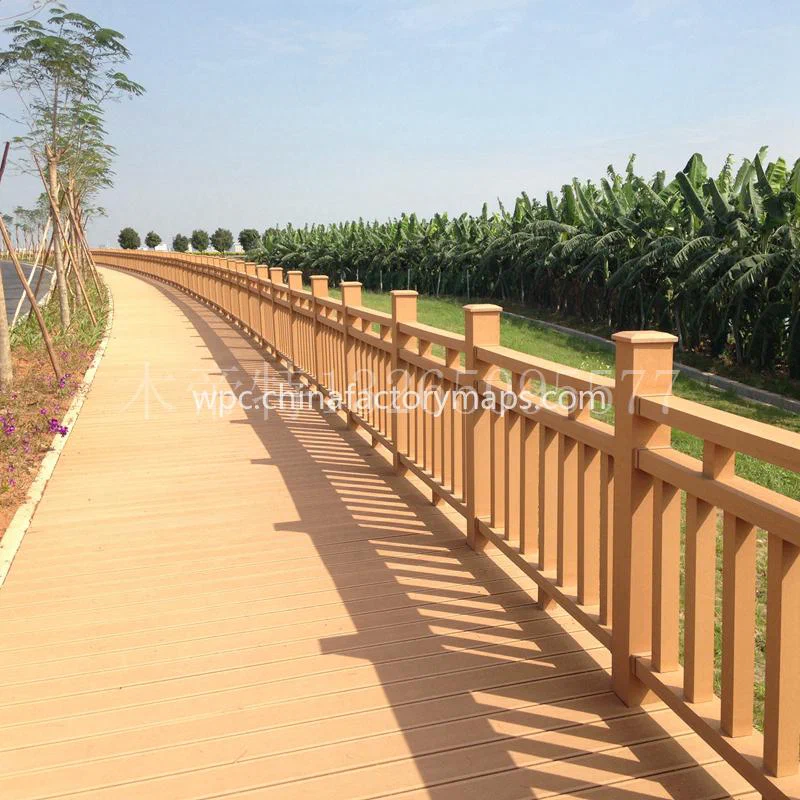
Composite decking clips play a critical role in the installation, performance, and longevity of wood-plastic composite (WPC) decking. This article examines the material and design variations in decking clips, their compatibility with WPC boards, and the trade-offs associated with different options. Understanding these factors can help buyers select the right clips for specific applications.
Materials Used in Deck Clips
Decking clips are commonly made from stainless steel, plastic, or composite materials. Stainless steel clips are preferred for their durability and resistance to corrosion, making them a good choice for outdoor installations prone to moisture. Plastic clips, often made from high-density polyethylene (HDPE), are lighter and less expensive but may not provide the same long-term strength as metal options. Composite clips, manufactured from a blend of plastic and wood fibers, are designed to match the aesthetic and performance characteristics of WPC decking. However, composite clips may expand and contract with temperature changes, similar to the boards themselves, which can affect alignment over time if not properly accounted for during installation.
Hidden Fasteners vs. Exposed Screws
Decking clips are typically used as hidden fasteners, offering a cleaner look by securing boards from the sides rather than through the surface. This method reduces the risk of moisture ingress through screw holes, an advantage for WPC, which resists but does not entirely eliminate water absorption. However, hidden fasteners require precise spacing and alignment, which can increase installation time. Exposed screws, while visible, provide a more straightforward and often stronger attachment, especially in high-traffic areas or installations subject to heavy loads. The choice between these methods depends on the project’s aesthetic goals and structural demands.
Compatibility with WPC Expansion and Contraction

WPC decking expands and contracts with temperature fluctuations, necessitating precise gapping between boards during installation. Decking clips must accommodate this movement without compromising the structural integrity of the deck. Some clips feature flexible tabs or adjustable designs to maintain proper spacing and allow for seasonal changes in board dimensions. Buyers should confirm that the clips they select are specifically designed for use with WPC materials to avoid issues like warping or misalignment over time.

Installation Considerations
The installation process for decking clips varies by type and design. Some clips are designed for quick, tool-free installation, while others require specialized fasteners or pre-drilled holes. Stainless steel clips, for example, often come with pre-drilled holes for screws, ensuring secure attachment to the joists. Plastic and composite clips may use a simpler push-and-lock mechanism but might lack the same level of long-term stability. The complexity of the installation process should be weighed against the project’s timeline and the skill level of the installation team.
Cost vs. Performance Trade-Offs
The choice of decking clips often comes down to a balance between cost and performance. Stainless steel clips are generally the most expensive but provide superior strength and longevity, especially in coastal or high-moisture environments. Plastic clips are more affordable and sufficient for low-budget projects or temporary installations but may degrade over time when exposed to UV and temperature extremes. Composite clips offer a middle ground, both in cost and performance, aligning aesthetically with WPC boards but requiring careful installation to account for thermal expansion.
Regional Availability and Export Logistics

For international buyers sourcing from Chinese manufacturers, the availability of specific decking clip materials and designs may vary by region. Suppliers in Guangdong Province, for instance, are well-positioned for exports via Shenzhen Port, while those in Anhui and Shandong provide proximity to ports like Shanghai and Qingdao. Buyers should consider shipping costs and lead times when sourcing clips, especially for large-scale projects. The ability to source both WPC boards and compatible clips from a single supplier or region can simplify logistics and reduce overall project timelines.
FAQ
Q: Can I use any type of decking clip with WPC boards?
A: No, not all clips are compatible with WPC. Choose clips specifically designed to accommodate the expansion and contraction of composite materials.
Q: Are plastic clips durable enough for outdoor decking?
A: Plastic clips can work for low-budget or temporary projects, but they may degrade over time due to UV exposure and temperature changes.
Q: How do I ensure proper gapping between WPC boards?
A: Use decking clips with built-in spacing features, and follow the manufacturer’s recommended guidelines for gapping to accommodate thermal movement.
Related Articles
Featured Suppliers
Verified premium suppliers on our map.