
Choosing WPC Decking Material Suppliers Across China's Regions
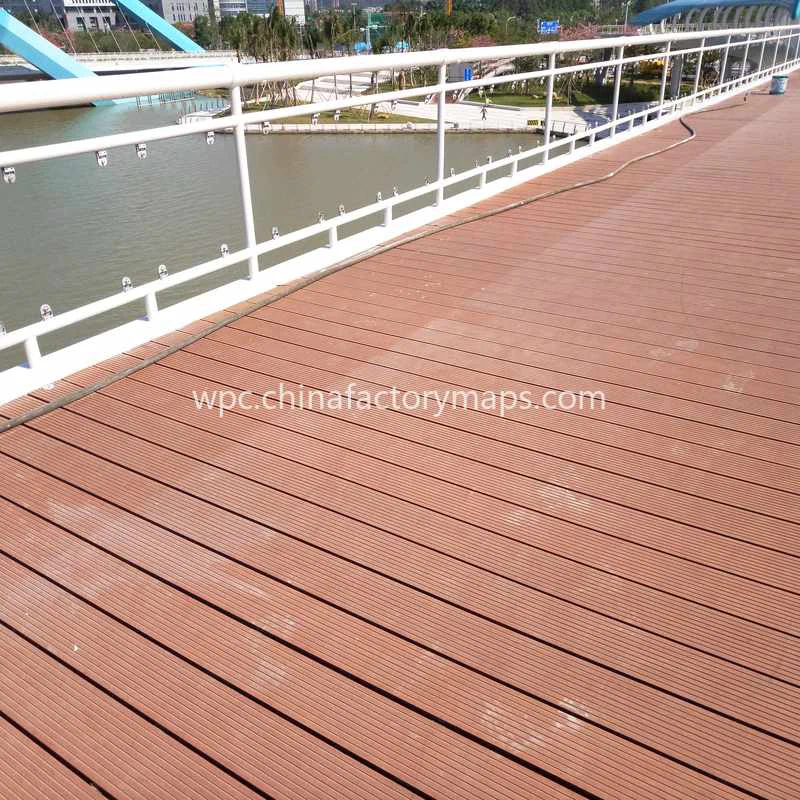
Selecting a supplier for wpc decking material starts with more than comparing product specifications. Factory location affects access to raw materials, manufacturing networks, inland transport and export ports. For overseas buyers sourcing from China, understanding these geographical factors helps narrow the supplier field before requesting samples, quotations or production details. A regional comparison also provides context for evaluating whether a factory’s location suits the intended shipping route.
How China’s WPC Supplier Clusters Shape Sourcing

Guangdong has the largest supplier concentration in the directory, with 22 listed factories, including locations in Foshan, Guangzhou and Zhuhai. This concentration gives buyers a broader group of geographically related suppliers to investigate. It also makes regional comparisons practical: factories can be assessed against similar transport routes while their manufacturing capabilities are examined individually. Shenzhen Port and Guangzhou Port are relevant export gateways for buyers considering suppliers in this province. However, proximity to a major port does not automatically mean lower freight costs or shorter lead times. Inland collection, container availability and the final shipping schedule remain important.
Anhui represents another significant sourcing area, with nine listed suppliers across Xuancheng, Suzhou and Guangde. Its position offers a different geographical starting point from the southern coastal cluster. Buyers should compare inland transport arrangements and the available routes towards major export gateways, including Shanghai Port. The location of a factory within the province matters as much as the provincial label. Two suppliers listed under the same regional heading may have different distances to container depots, transport connections and port facilities. For projects involving repeated shipments, these differences can affect logistics planning and landed cost.
Shandong has seven mapped suppliers, including factories in Zibo, Linyi and Qingdao. Qingdao provides a direct geographical reference for assessing access to Qingdao Port, while factories elsewhere in the province require a closer examination of inland transport. Zhejiang has six listed suppliers in Huzhou, Jiaxing and Hangzhou. These locations can be compared against access to Shanghai Port and Ningbo-Zhoushan Port. Shanghai itself has three listed suppliers, while Jiangsu has two, including Nanjing. Taicang Port and Shanghai Port are relevant reference points when assessing logistics from these eastern locations. Regional proximity helps establish a shortlist, but the actual factory address should determine the transport comparison.
What Factory Location Does and Does Not Tell Buyers
A supplier cluster indicates geographical concentration, not verified manufacturing quality. Several factories operating in one province may serve different product segments, use different production equipment or specialise in different board structures. A mapped location can help identify suppliers worth contacting, but it cannot establish whether a listed business operates its own extrusion lines, outsources production or handles only sales and export coordination. Buyers should request the registered business details, factory address and current production photographs. A video inspection or independent factory audit can provide further evidence. The distinction between a trading company and a manufacturer is particularly important when specifications need to remain consistent across repeat orders.
Product evaluation should focus on the construction and intended application of the decking boards. WPC formulations can differ in their wood fibre content, polymer composition, additives and manufacturing processes. Buyers should establish whether the proposed boards are solid or hollow, whether they use a capped or uncapped structure, and which surface finishes are available. Samples should be checked for dimensions, weight, colour consistency, surface texture and edge quality. Technical data should also cover mechanical performance and relevant weathering tests. A factory’s ability to produce a requested profile does not necessarily demonstrate that the same specification can be maintained throughout commercial production.

Vetting should also address installation requirements and performance limitations. WPC decking expands and contracts as temperatures change, so board spacing and fixing arrangements must follow the manufacturer’s installation guidance. The supporting substructure needs adequate ventilation and drainage. Although composite boards resist moisture and insect damage better than untreated timber in many applications, they are not indestructible or absolutely waterproof. Prolonged ultraviolet exposure can also cause colour fading. Buyers should request information about expected colour variation, surface wear, cleaning requirements and applicable warranty conditions. For projects in coastal, humid or high-sunlight environments, testing and installation details should reflect the actual site conditions rather than relying on general product descriptions.
Using a Geographic Directory in the Supplier Selection Process
A map-based directory is most useful during the initial screening stage. China Factory Maps plots 49 WPC suppliers across Guangdong, Anhui, Shandong, Zhejiang, Shanghai and Jiangsu. Buyers can filter the mapped supplier base by geographical location and compare factory positions against nearby export ports. The directory covers Shanghai Port, Ningbo-Zhoushan Port, Shenzhen Port, Qingdao Port, Guangzhou Port, Tianjin Port, Xiamen Port, Taicang Port, Beibu Gulf Port, Rizhao Port, Lianyungang Port and Yingkou Port. This geographical view helps reduce an initially broad search to a manageable group of potential suppliers. It does not replace commercial verification or confirm that a factory currently exports through its nearest port.
A practical sourcing workflow begins by identifying the destination market and the preferred shipping gateway. Buyers can then shortlist factories in relevant regions, compare their actual addresses and request consistent technical information from each candidate. Quotations should distinguish factory prices from inland transport, export handling and international freight. Production capacity, sample approval, payment terms, quality inspection arrangements and delivery schedules also require direct confirmation. For larger procurement programmes, a trial order can help establish whether production quality matches the approved sample. The final supplier decision should reflect verified manufacturing capability and total delivered cost, not simply the number of kilometres between a factory and a port. Geographic filtering makes the search more focused; due diligence determines whether a shortlisted supplier is suitable for the order.
FAQ
Q: Does a factory near an export port always offer lower shipping costs?
A: No. Inland collection, container availability, handling charges and shipping schedules also affect total logistics costs. Buyers should compare complete transport quotations rather than distance alone.
Q: Can a supplier’s presence in a mapped WPC cluster confirm that it is a manufacturer?
A: No. Cluster membership indicates geographical location, not manufacturing status. Buyers should verify the factory address, production equipment, operating arrangements and ability to meet the required specifications.
Related Articles
Featured Suppliers
Verified premium suppliers on our map.
