
Cleaning Composite Decks in Resorts and Large Outdoor Spaces
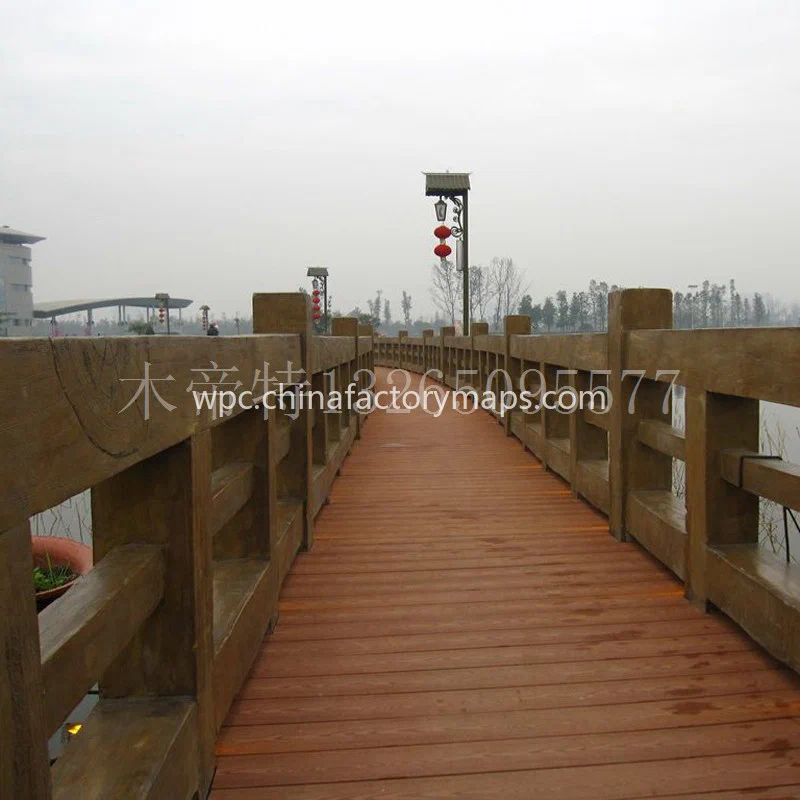
Composite decking in resorts and large outdoor spaces is specified for more than appearance. Pool surrounds, restaurant terraces, boardwalks and hotel walkways face repeated cleaning, heavy foot traffic and exposure to weather. The right board specification must account for how the surface will be used, how maintenance teams will clean it and how the installation will perform over time.
What resort environments demand from composite decking
Large hospitality projects place different demands on decking than residential installations. A resort poolside, for example, experiences regular splashing, sunscreen residue, food spills and frequent washing. Coastal properties add salt carried by wind and moisture, while open terraces may receive sustained UV exposure throughout the year. These conditions make surface texture, water drainage and colour stability important purchasing considerations.
Cleaning requirements should influence the board specification from the beginning. A deeply embossed surface may provide useful traction, but it can also retain dirt in its grooves. A smoother finish may be easier to wash but could offer less grip when wet. Buyers should request samples and assess both properties rather than treating surface appearance as a reliable indicator of performance. Maintenance teams should also check whether ordinary cleaning methods can remove common deposits without damaging the board surface.
Foot traffic creates another distinction. Hotel entrances, restaurant terraces and routes between accommodation and shared facilities can experience concentrated use throughout the day. Boards in these locations need adequate structural strength and a suitable wear surface. Ask manufacturers for technical information on load performance, surface abrasion and resistance to repeated cleaning. For larger developments, consistency between production batches also matters because replacement boards may need to match installed sections later.
Matching board specifications to climate and maintenance

Coastal installations require attention to moisture exposure and corrosion around the supporting structure. WPC resists moisture and insect damage better than untreated timber, but it is not indestructible or completely waterproof. Salt deposits can accumulate on exposed surfaces and metal components. Buyers should check the compatibility of clips, screws and substructure materials with the site’s coastal conditions. Drainage details matter just as much as the board itself.
Temperature variation creates a separate installation challenge. Composite boards expand and contract as temperatures change, so the installation instructions must specify appropriate end gaps, side clearances and fixing arrangements. A ventilated substructure helps manage moisture beneath the deck and supports drainage. In regions with freeze-thaw cycles, standing water and poorly drained joints can increase maintenance problems. Buyers should request installation guidance that reflects the intended climate rather than relying on a generic residential fitting sheet.
UV exposure affects both appearance and long-term maintenance. Sustained sunlight can cause colour fading, particularly on exposed terraces and pool decks. Buyers should ask whether the product uses a capped surface, what UV-resistance information is available and how the manufacturer describes expected colour changes. Co-extruded products may provide an additional protective surface layer, but performance depends on the actual construction and material formulation. Colour samples should be evaluated outdoors where possible, not only under factory lighting.

A practical maintenance plan should be established before procurement. Regular sweeping removes abrasive grit, while periodic washing helps clear organic matter, food residue and general surface deposits. Cleaning products and pressure-washing methods should follow the manufacturer’s instructions. Excessive pressure or unsuitable chemicals can damage the surface. For resort operators, the ease of carrying out routine composite deck cleaning across a large installed area can affect labour requirements and maintenance scheduling.
Sourcing regions and logistics in China
China’s mapped WPC supplier base offers several regional clusters for buyers comparing production locations. Guangdong has the largest concentration in the directory, with 22 listed suppliers across Foshan, Guangzhou and Zhuhai. This makes the province a useful starting point for buyers evaluating outdoor decking intended for humid, coastal or high-UV hospitality projects. Suppliers should still be assessed individually for their experience with commercial decking, surface treatments and project-specific technical documentation.
Anhui has nine listed suppliers, including manufacturers in Xuancheng, Suzhou and Guangde. Its cluster provides another sourcing option for buyers comparing board construction, production consistency and technical specifications. Shandong has seven listed suppliers, including locations in Zibo, Linyi and Qingdao. For projects exposed to colder winters, buyers can use supplier discussions to establish whether products have been evaluated for temperature-related movement and freeze-thaw conditions. A factory’s location alone does not establish product suitability; documented performance and installation guidance remain essential.

Zhejiang accounts for six listed suppliers in Huzhou, Jiaxing and Hangzhou, while Shanghai has three and Jiangsu has two, including Nanjing. These locations broaden the available supplier base for project comparisons. Export planning should consider the distance from each factory to the relevant port, rather than assuming that the nearest major city provides the most efficient shipping route. The directory maps suppliers against major export ports, including Shanghai Port, Ningbo-Zhoushan Port, Shenzhen Port, Qingdao Port and Guangzhou Port. Taicang Port and other covered ports may also be relevant depending on the factory’s location and shipping arrangements.

For a resort project, the procurement enquiry should include the intended application, local climate, expected traffic, cleaning frequency and preferred surface finish. Request technical datasheets, installation instructions, available colour samples and details of the supporting system. Buyers should also establish whether the supplier can maintain consistent board profiles and colours across phased deliveries. These checks help distinguish factories suited to commercial outdoor projects from those whose product information is primarily designed around smaller residential orders.
FAQ
Q: Does composite decking need regular cleaning in resorts?
A: Yes. Sweeping and periodic washing remove grit, organic deposits and surface residue. Cleaning frequency depends on traffic, surrounding vegetation and exposure to salt or food spills.
Q: What should buyers check when sourcing WPC decking for coastal resorts?
A: Check moisture resistance, surface traction, UV performance, fixing compatibility and installation clearances. Also request guidance on drainage, ventilation and cleaning methods for the intended coastal environment.
Related Articles
Featured Suppliers
Verified premium suppliers on our map.
