
Co Extrusion Composite Decking Shipping From China Ports
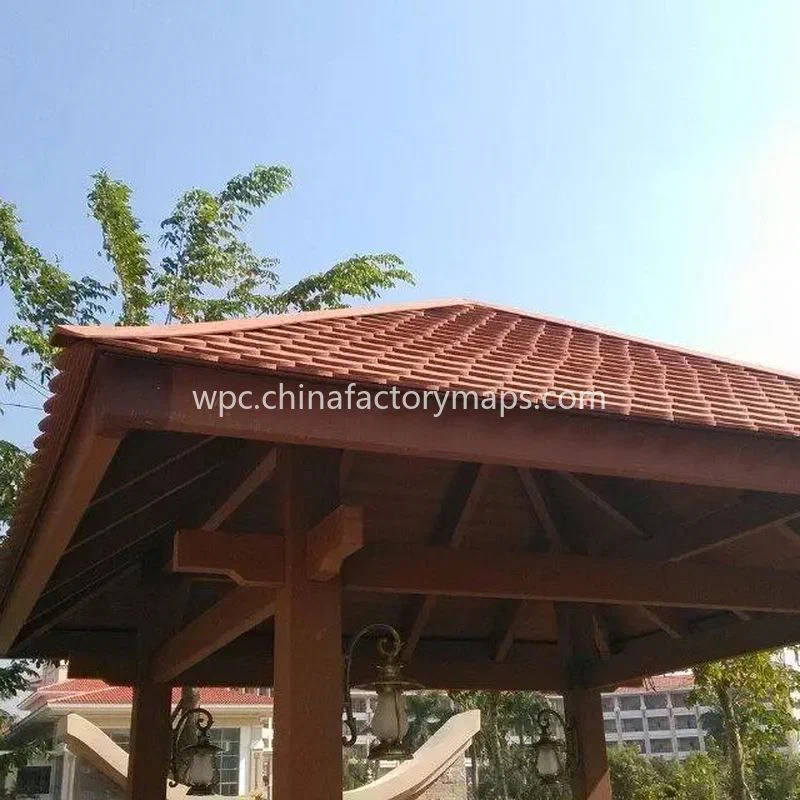
Co extrusion composite decking exports from China depend on more than factory capability. This page examines how production clusters connect with export ports, and why port distance affects supplier selection for overseas buyers sourcing this material.
China’s mapped WPC production areas are concentrated in Guangdong, Anhui, Shandong, Zhejiang, Shanghai, and Jiangsu. These regions connect to different export routes, making port access a practical factor when comparing suppliers. Factories in Guangdong can serve shipments through ports such as Shenzhen Port and Guangzhou Port, while producers in Zhejiang and Shanghai are positioned closer to Shanghai Port and Ningbo-Zhoushan Port. Suppliers in Shandong may use Qingdao Port or Rizhao Port for international container shipments. For buyers comparing co extrusion composite decking suppliers, the factory’s location relative to an export port can influence transport planning before goods reach the final destination.
Composite decking has specific shipping considerations because boards occupy significant container space and carry substantial weight when packed for export. The volume of decking boards, packaging requirements, and loading methods affect how efficiently a container is used. Longer inland transport before export can add handling steps and increase exposure to movement during transit. Port distance does not determine product quality, but it can affect logistics efficiency, especially for large orders where container planning becomes more important. Buyers should review factory locations on a map, identify the likely export port, and compare the full transport route rather than focusing only on the factory address.

Port selection also connects with product protection during international shipping. WPC decking is designed to resist moisture and insects, but it is not indestructible. Proper packaging and careful handling remain important because boards can be damaged by impacts or poor storage conditions. Buyers should also consider installation requirements after arrival, including temperature-related expansion and contraction, the need for correct spacing between boards, and a ventilated substructure. A supplier closer to a suitable port may simplify communication around shipping schedules and reduce inland movement, but the buyer should still evaluate production capability, specifications, and export experience. The ChinaFactoryMaps directory helps buyers compare supplier locations and understand how geographic position relates to export routes.

FAQ
Q: Which Chinese ports are relevant for WPC decking exports? A: Relevant ports include Shanghai Port, Ningbo-Zhoushan Port, Shenzhen Port, Guangzhou Port, Qingdao Port, Rizhao Port, and other ports covered by the directory.
Q: Why does factory distance from a port matter for composite decking? A: Decking shipments are affected by weight, volume, container use, and handling requirements. A shorter route to a suitable port can simplify logistics planning.
Q: Is WPC decking completely resistant to outdoor conditions? A: WPC decking resists moisture and insects, but it is not indestructible. Colour can fade under sustained UV exposure, and correct installation is required for long-term performance.
Related Articles
Featured Suppliers
Verified premium suppliers on our map.
