Common Applications for Wood Plastic Composite in Construction
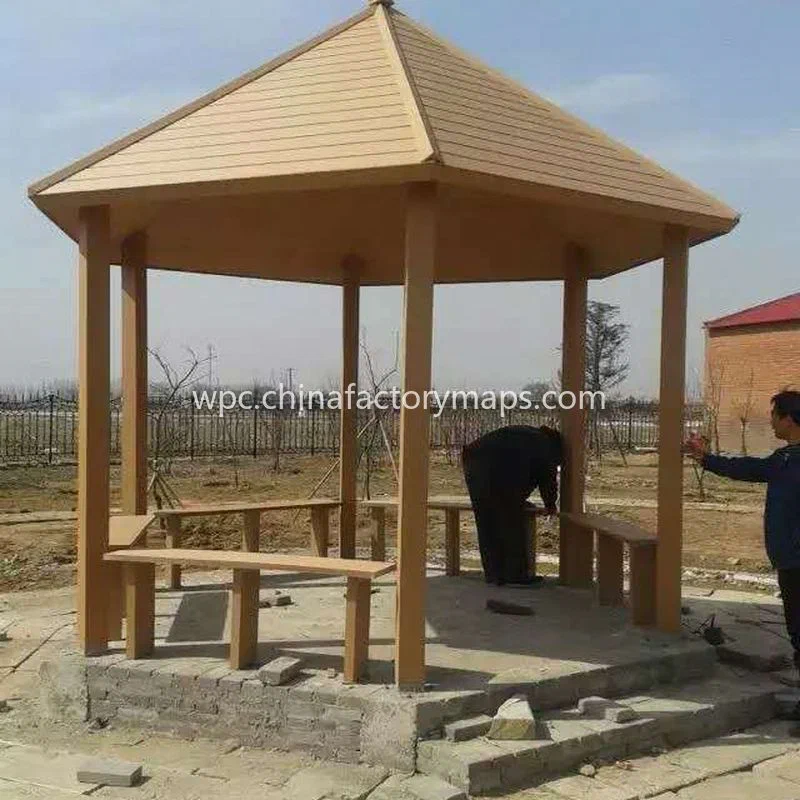
Wood-plastic composite (WPC) has become a popular material in construction due to its durability, resistance to environmental factors, and aesthetic versatility. Its applications range widely across various outdoor and architectural projects, with each use case demanding specific material properties. This article examines the common applications for WPC in construction, the unique demands of these settings, and how Chinese manufacturing hubs cater to these requirements.
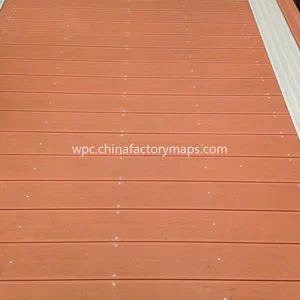
Decking is one of the most prevalent applications of WPC, particularly in outdoor environments like gardens, balconies, and poolside areas. The material’s resistance to moisture and insects makes it well-suited for these settings, where it is often exposed to water and humidity. Poolside decking, for instance, benefits from WPC’s anti-slip surface, which enhances safety in wet conditions. For buyers sourcing WPC decking intended for regions with high UV exposure, such as coastal areas, specifying UV-resistant grades is crucial. Manufacturers in coastal regions like Guangdong and Zhejiang are often well-equipped to supply WPC decking designed for such conditions, given their proximity to export hubs like Shenzhen and Ningbo-Zhoushan ports.

Fencing and railing are other key uses for WPC in construction. These applications require the material to withstand both physical stress and varying weather conditions. WPC’s ability to resist warping and rotting makes it an excellent choice for fencing in climates that experience freeze-thaw cycles or heavy rainfall. Buyers sourcing WPC for fencing projects should consider the thickness and density of the boards, as these factors influence the fencing’s long-term durability. Anhui and Shandong provinces, with their established WPC production facilities in cities like Xuancheng and Linyi, are known for providing bulk orders of fencing materials tailored to specific project needs.
Another growing application of WPC is in facade cladding. This use demands precise color stability and resistance to fading, especially for buildings in areas with high UV exposure. While WPC’s color can fade over time under sustained sunlight, co-extrusion technology can mitigate this issue by adding a protective layer to the material. Buyers looking for premium-grade, co-extruded WPC cladding may find reliable suppliers in Zhejiang and Jiangsu provinces, which are known to produce high-quality facade materials for export through ports like Taicang and Shanghai.

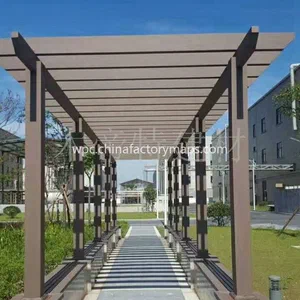
Outdoor furniture and landscape architecture also benefit from WPC’s weather-resistant properties. Benches, pergolas, and planters constructed from WPC are increasingly common in public parks and urban outdoor spaces. These applications require the material to endure heavy usage and exposure to elements such as rain, UV rays, and temperature fluctuations. WPC produced with higher density and reinforced additives generally performs better in these demanding conditions. Suppliers in Shandong, particularly those near Qingdao Port, often specialize in manufacturing outdoor furniture components to meet these requirements.

Railings and balustrades made of WPC are widely used in both residential and commercial properties. These installations demand a balance between strength and aesthetic appeal. Buyers should prioritize materials with high load-bearing capacities, particularly for stair railings or elevated balconies. For projects requiring custom designs or color finishes, OEM manufacturing capabilities may also be a key consideration. Guangdong, with its concentration of WPC manufacturers in cities like Foshan and Zhuhai, is a leading region for customized railing and balustrade solutions.
Finally, WPC is increasingly employed in the construction of temporary structures and modular buildings. In these applications, the material’s lightweight nature, ease of installation, and low maintenance requirements are significant advantages. Temporary structures often need to be assembled and disassembled multiple times, necessitating a material that is not only durable but also easy to work with. Manufacturers in Zhejiang and Jiangsu provinces, located near major export ports like Ningbo-Zhoushan and Shanghai, are often the first choice for buyers needing large-scale production of modular WPC components.

FAQ
Q: What is wood plastic composite used for?
A: It is commonly used for decking, fencing, railing, facade cladding, outdoor furniture, and temporary structures in construction projects.
Q: Does WPC require maintenance?
A: While it requires less maintenance than wood, periodic cleaning and inspections are recommended to ensure longevity.
Q: How do I choose a WPC supplier in China?
A: Consider the supplier’s location relative to export ports, their manufacturing capabilities, and their experience with your specific application needs.
Related Articles
Featured Suppliers
Verified premium suppliers on our map.