Comparing Composite Deck Tiles vs Replacing Wooden Decks
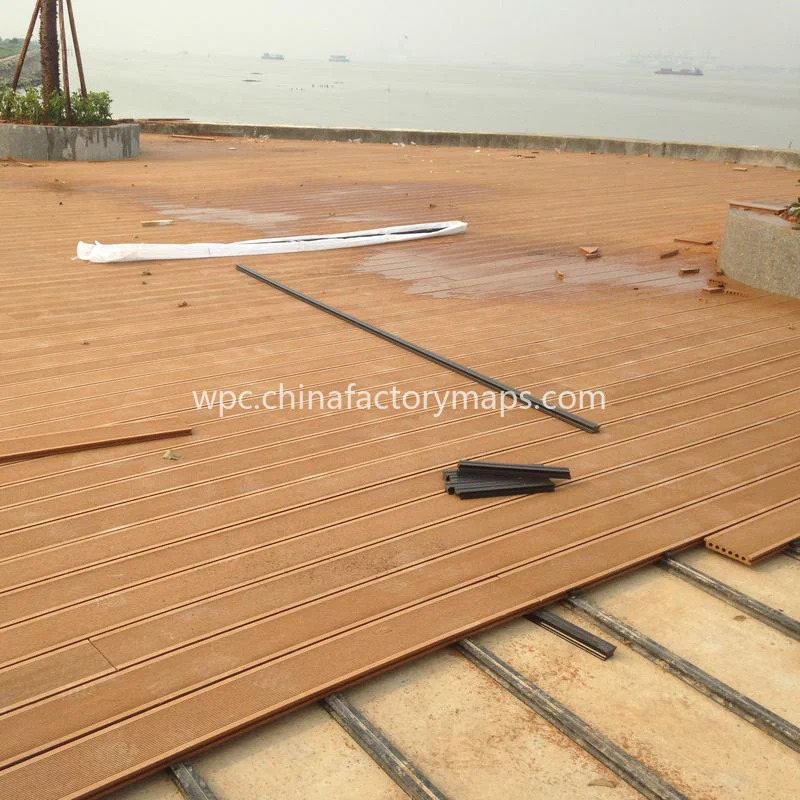
For those considering upgrades to an outdoor wooden deck, two common options are replacing the wooden boards entirely or installing composite deck tiles over the existing wood deck. Both solutions offer distinct advantages and trade-offs, depending on factors like material properties, installation requirements, and long-term performance under varying conditions.
Material Considerations
Composite deck tiles are typically made from wood-plastic composite (WPC), a blend of recycled wood fibers and polymer resins. This construction gives WPC tiles strong resistance to moisture and insect damage, making them well-suited for outdoor use. However, WPC expands and contracts with temperature changes, requiring adequate spacing between tiles during installation. In contrast, replacing wooden deck boards involves using either pressure-treated wood or hardwood. These materials are prone to warping and rot over time if not properly sealed and maintained, but they generally do not expand as dramatically with temperature fluctuations as WPC does.
Another difference lies in UV resistance and color retention. WPC deck tiles may fade somewhat under sustained sunlight exposure, especially if uncapped. While wooden boards can also fade, they can be sanded and re-stained to refresh their appearance—a maintenance option unavailable for WPC tiles. Buyers should carefully evaluate the importance of aesthetic longevity in their specific project.
Installation Requirements
Installing composite deck tiles over an existing wood deck is often quicker and less invasive than replacing the boards. Deck tiles are designed with interlocking systems, which allow them to be placed directly on a stable base without the need for screws, nails, or adhesives. This makes them an appealing option for temporary or rental properties. However, the underlying wooden deck must be structurally sound and level; significant rot or uneven surfaces will compromise the installation.

Replacing wooden boards, on the other hand, requires removing the old planks and securing new ones to the joists with screws. While this process involves greater labor and cost upfront, it also allows for inspection and repair of the substructure, ensuring long-term stability. In humid regions like Guangdong or Anhui, where moisture exposure is high, addressing substructure issues during replacement may prevent future deterioration.

Trade-offs in Performance
Moisture management is a key factor when comparing these two options. Composite deck tiles resist moisture penetration and do not support mold growth, making them a low-maintenance choice for areas with high rainfall or near pools. However, they require a ventilated substructure to prevent moisture buildup underneath the tiles. Wooden boards, if properly sealed, can also withstand moisture to an extent, but regular reapplication of sealants is necessary to preserve their condition. In regions like Zhejiang or Shandong, known for varying climates, buyers should weigh these maintenance demands carefully.
Thermal movement and fastening are additional concerns. Composite deck tiles expand with temperature changes, but their interlocking design eliminates the need for screws, simplifying installation. Wooden boards, while less prone to thermal movement, demand secure fastening to prevent loosening over time. In high-temperature zones like Foshan or Guangzhou, where thermal stress is significant, this difference may influence the choice.

Cost and Sustainability Factors
Cost comparisons between composite deck tiles and wooden boards depend on the scale of the project and material quality. Composite tiles may offer a lower upfront cost for smaller areas due to their ease of installation, but replacing wooden boards could be more economical for larger decks when bulk purchasing pressure-treated wood. Sustainability is another factor: WPC tiles often incorporate recycled materials, appealing to eco-conscious buyers. However, pressure-treated wood remains widely used due to its affordability and availability, despite being less environmentally friendly.
Both options serve specific needs and budgets, but neither is universally superior. Buyers should assess their site conditions, maintenance capacity, and performance expectations to determine the best fit.

FAQ
Q: Can composite deck tiles be installed directly over a rotting wood deck? A: No, the underlying deck must be structurally sound. Rotting wood will compromise the stability of the tiles.
Q: Do composite deck tiles require ongoing maintenance? A: They need minimal upkeep, but regular cleaning and proper ventilation underneath are crucial to prevent moisture buildup.
Featured Suppliers
Verified premium suppliers on our map.