Comparing Composite Decking and Vinyl: What Buyers Should Know
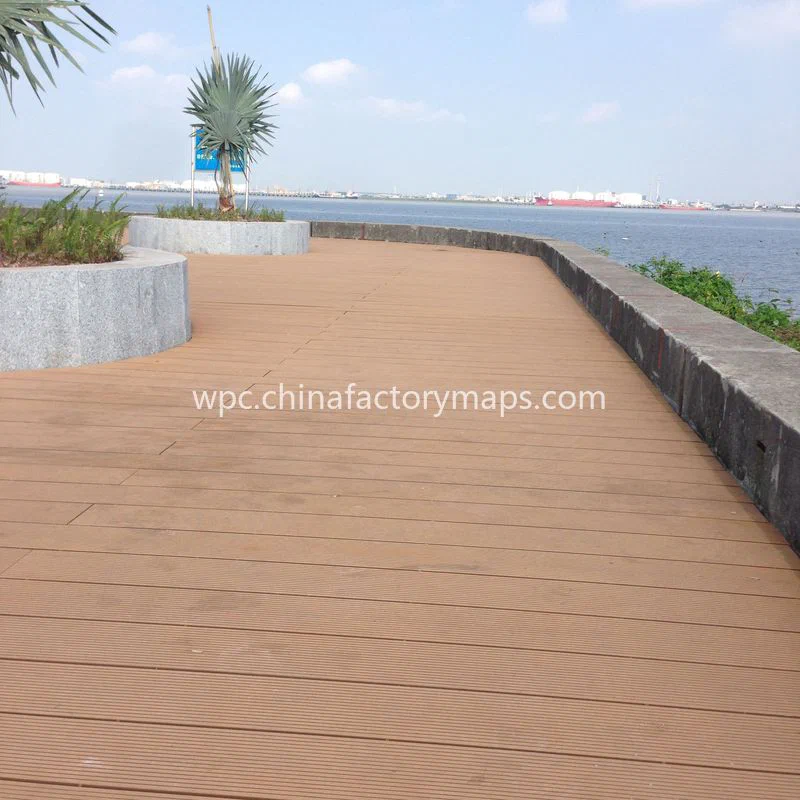
When comparing composite decking to vinyl as outdoor flooring materials, buyers sourcing from Chinese manufacturers need to assess several technical and logistical factors. Both materials are popular for their low maintenance and durability compared to natural wood, but their performance characteristics, visual appeal, and cost structures differ significantly. Understanding these differences is critical, especially when dealing with manufacturers overseas.
Material Characteristics and Applications
Composite decking is made from a blend of wood fibers and recycled plastics, offering a natural wood-like appearance with enhanced resistance to moisture, insects, and decay. However, it is prone to expansion and contraction with temperature changes, requiring proper gapping during installation. Vinyl, on the other hand, is a 100% synthetic material, offering superior resistance to fading and cracking under prolonged UV exposure. While both materials are suitable for outdoor applications, composite decking often appeals to buyers looking for a more natural aesthetic, whereas vinyl is frequently chosen for its consistent, low-maintenance surface.

Questions to Distinguish Manufacturers from Trading Companies
When sourcing composite decking or vinyl products from China, verifying whether a supplier is a manufacturer or a trading company is essential. Genuine manufacturers often have on-site production facilities, detailed technical specifications, and the ability to offer OEM manufacturing services. Buyers should inquire about the factory’s location, production capacity, and whether they perform in-house quality control. Visit the facility if possible or request a virtual tour to confirm operations. Trading companies may lack direct control over production schedules and quality, which can complicate large orders or custom designs.

Quality Variability and Common Issues
Quality among suppliers can vary widely, particularly in terms of raw material composition and production standards. For composite decking, the ratio of wood to plastic in the material blend affects both durability and appearance; higher wood content may enhance aesthetics but could reduce water resistance. For vinyl, the thickness of the material and the presence of UV stabilizers are critical factors influencing longevity. Common issues include inconsistent surface finishes, warping, or discoloration, particularly for low-cost products. Requesting material test reports or certifications can help ensure the product meets international standards.

Logistics and Export Considerations
Shipping costs and delivery times are another key consideration. Buyers should evaluate the supplier’s proximity to major export ports such as Shanghai, Ningbo-Zhoushan, or Guangzhou. Factories located closer to ports may offer lower logistics costs and reduced lead times. It’s also prudent to confirm the supplier’s experience with export documentation and compliance with international standards, as errors in this area can lead to delays or additional costs. Additionally, ensure the packaging is suitable for long-haul shipping to prevent damage during transit.
FAQ
Q: What certifications should I ask for when sourcing composite decking? A: Request certifications that verify material quality, such as UV resistance or fire resistance, and compliance with international standards like CE or ASTM.
Q: How can I ensure the product matches my specifications? A: Ask for pre-shipment samples, detailed product specifications, and third-party inspection reports to verify quality before finalizing the order.
Related Articles
Featured Suppliers
Verified premium suppliers on our map.