Comparing Composite Decking Boards: Profiles, Finishes, and More
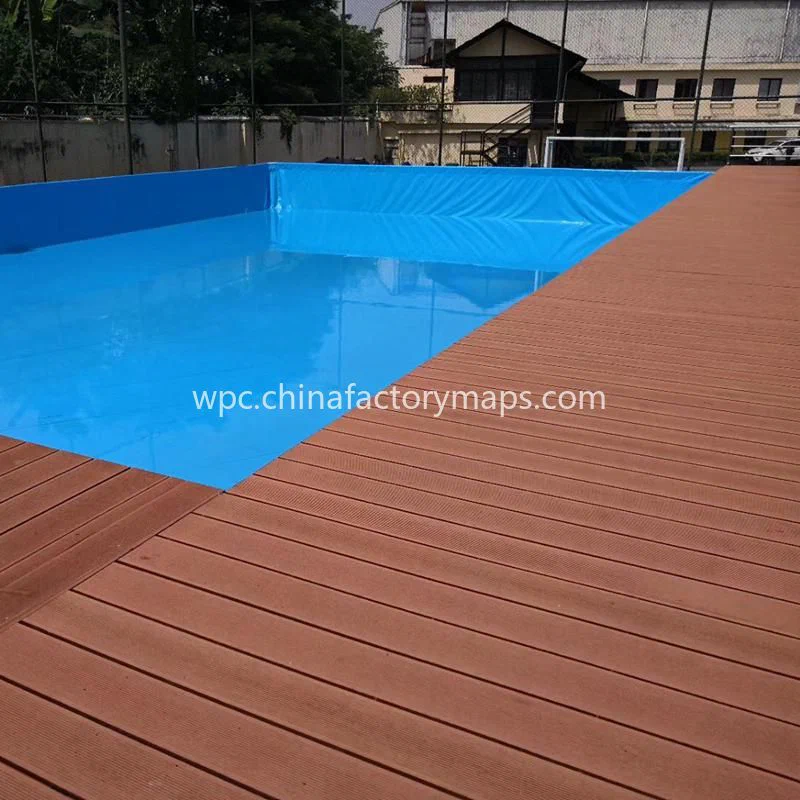
Composite decking boards come in a variety of profiles, finishes, and construction methods, each offering distinct advantages and trade-offs. For buyers sourcing composite decking boards on sale, understanding these differences is critical to making informed decisions. This article explores key factors, such as material composition, surface finishes, and structural design, that influence product performance and suitability for different applications.
Material Composition: Solid vs Hollow Boards

One of the primary distinctions among composite decking boards is their internal structure. Solid boards are denser and designed to mimic the look and feel of natural wood. They are typically more durable and better suited for high-traffic areas or regions with heavy loads, such as commercial spaces. However, this added durability comes at the cost of increased weight, which may require a stronger substructure and more labor-intensive installation. Hollow boards, on the other hand, are lighter and often more affordable. They are well-suited for residential applications but may be less resistant to heavy impacts or prolonged use.
Surface Finishes: Uncapped vs Capped Composite
Another critical factor is the surface finish of the decking boards. Uncapped composite boards are made from a homogeneous mix of wood fibers and plastic, offering a consistent texture throughout. While more affordable, they are more susceptible to fading and staining over time, especially in areas with high UV exposure or frequent spills. Capped composite boards feature an additional protective layer, often made of polymer, which enhances resistance to moisture, UV rays, and staining. The cap also allows for a wider range of colors and textures, including wood-grain finishes. However, capped boards can be more expensive and may require special attention during installation to prevent damage to the protective layer.
Dimensional Stability and Performance Under Temperature Changes
Wood-plastic composite materials expand and contract with changes in temperature. This thermal movement is an important consideration during installation, as inadequate spacing can lead to buckling or warping. Solid boards, due to their higher density, experience less noticeable expansion and contraction compared to hollow boards. Regardless of the type, ensuring proper gapping and using a ventilated substructure can mitigate potential issues. Buyers should consult manufacturers for specific guidelines on recommended spacing for different climates.
Slip Resistance and Safety Considerations
Slip resistance is a crucial factor for outdoor applications, especially in areas prone to moisture, such as pool decks or balconies. Many composite decking boards are designed with textured surfaces to improve grip underfoot. Some manufacturers also offer boards with enhanced anti-slip properties, which may be particularly valuable for commercial or public spaces. However, the effectiveness of slip resistance can vary between brands and finishes, making it essential for buyers to review product specifications carefully.

Longevity and UV Resistance
While composite decking boards are generally more resistant to wear and tear than traditional wood, UV exposure can still impact their appearance over time. Uncapped boards are more prone to fading, particularly in regions with high sun exposure. Capped boards with UV inhibitors offer better long-term color retention, though even these may experience slight fading after extended periods. Buyers sourcing composite decking boards on sale should consider how the product will perform in their specific environment and whether additional UV protection is necessary.
Fastening Systems and Installation Options
Composite decking boards can be installed using a variety of fastening systems, including face screws, hidden clips, and grooved edges. Hidden clip systems are popular for their clean, seamless appearance but may require more precise installation. Face screws provide a more secure attachment, particularly for heavier boards, but leave visible fasteners on the surface. Choosing the right fastening system depends on the project’s aesthetic and structural requirements. Buyers should also confirm whether the manufacturer provides complete installation kits or recommends specific brands of fasteners.
Environmental Impact and Certifications
For eco-conscious buyers, the environmental credentials of composite decking boards may be a deciding factor. Many manufacturers use recycled wood fibers and plastics in their products, reducing the demand for virgin materials. Some boards also carry certifications for sustainable practices, which can be important for projects seeking LEED or other green certifications. However, the percentage of recycled content and the overall environmental footprint can vary widely among suppliers, making it worthwhile to request detailed specifications.
FAQ
Q: How do I maintain the appearance of composite decking boards? A: Regular cleaning with water and a mild detergent is usually sufficient. Avoid harsh chemicals or pressure washing, which may damage the surface.
Q: Are composite decking boards completely waterproof? A: No, while they resist moisture better than wood, they are not entirely waterproof. Proper drainage and ventilation are essential to prevent issues.
Related Articles
Featured Suppliers
Verified premium suppliers on our map.