
Comparing Composite Timber Options for Various Applications
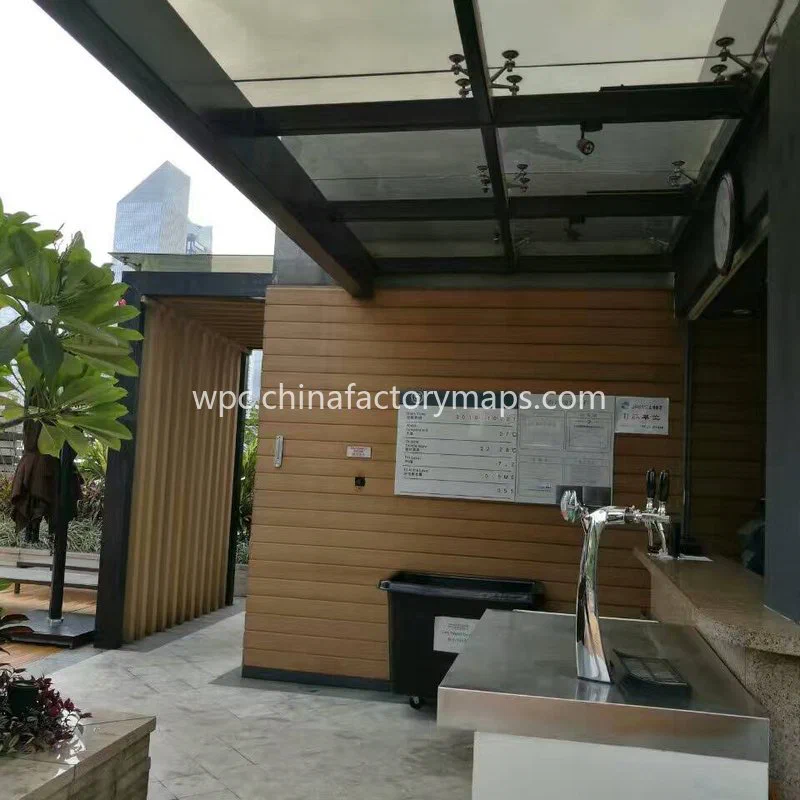
Composite timber options vary significantly in terms of material composition, performance characteristics, and suitability for different applications. The primary types of composite timber are made from wood-plastic composites (WPC), which blend wood fibers with plastic to create a product that offers several advantages over traditional wood. Understanding these differences is crucial for selecting the appropriate composite timber for specific projects, whether for decking, fencing, or other outdoor applications.
Material Composition
The composition of composite timber typically involves a blend of wood fibers and recycled plastics. WPCs are designed to mimic the aesthetic appeal of natural wood while providing enhanced durability. The ratio of wood to plastic can vary among manufacturers, influencing properties such as strength, flexibility, and resistance to moisture. Some products may also incorporate additives for improved UV resistance or anti-slip surfaces. The performance of composite timber can be affected by its specific formulation, making it important for buyers to consult detailed specifications when comparing options.
Performance Characteristics

Composite timbers exhibit different performance characteristics depending on their material makeup. WPCs are generally resistant to moisture and insect damage, unlike traditional wood, which can warp or rot over time. However, WPCs are not indestructible; they can still be affected by extreme weather conditions and may require proper installation to maximize longevity. Thermal expansion is another factor, as composite timber expands and contracts with temperature changes. Therefore, appropriate gapping during installation is essential to accommodate this movement and prevent buckling.
UV Resistance and Color Retention
One of the noteworthy trade-offs with composite timber is its UV resistance. While many WPC products are designed to resist fading, prolonged exposure to sunlight can still lead to color changes over time. Some manufacturers use co-extrusion processes that add a protective layer to enhance UV resistance and improve color retention. Buyers should consider the intended application and exposure levels when selecting composite timber, especially in regions with high sun exposure. Choosing a product with a proven track record for UV stability can help maintain the aesthetic appeal of outdoor installations.

Installation Considerations
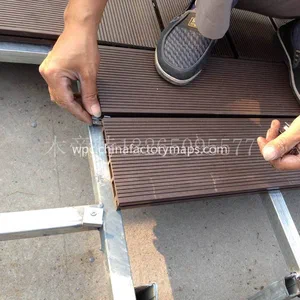
When installing composite timber, specific practices can significantly affect the outcome. Fastening methods vary between different types of composite materials. Some products allow for hidden fasteners, which can create a clean appearance, while others require visible screws. Additionally, ensuring proper ventilation and support through a suitable substructure is critical for performance. This is particularly true for decking applications, where moisture management is essential to prevent deterioration. Buyers should pay close attention to installation guidelines provided by manufacturers to ensure the integrity of the composite timber.

Environmental Impact
The environmental impact of composite timber is an important consideration for many buyers. WPCs are often marketed as eco-friendly options due to their use of recycled materials. However, the sustainability of the manufacturing process and the lifecycle of the product should also be evaluated. Some composites may contain non-biodegradable plastics, while others focus on using renewable resources. Understanding the sourcing of materials and the manufacturing practices of suppliers can help buyers make informed decisions that align with their sustainability goals.
Applications and Trade-Offs
Different applications demand specific properties from composite timber. For instance, decking products must withstand foot traffic, moisture, and UV exposure, while fencing options may prioritize aesthetics and durability against the elements. The trade-offs between cost, performance, and appearance should be carefully assessed based on the intended use. For outdoor flooring, composite timber offers a balance of durability and low maintenance, making it an attractive choice for homeowners and contractors alike. Understanding these nuances can assist buyers in selecting the right composite timber for their needs.
FAQ
Q: What is composite timber made from?
A: Composite timber is typically made from a blend of wood fibers and recycled plastics.
Q: How does composite timber perform in wet conditions?
A: Composite timber is generally resistant to moisture and insect damage, but it is not completely waterproof.
Q: Can composite timber fade in sunlight?
A: Yes, prolonged UV exposure can lead to color fading, although some products have enhanced UV resistance.
Related Articles
Featured Suppliers
Verified premium suppliers on our map.
