
Comparing Fluted Panels: Material and Finish Variations
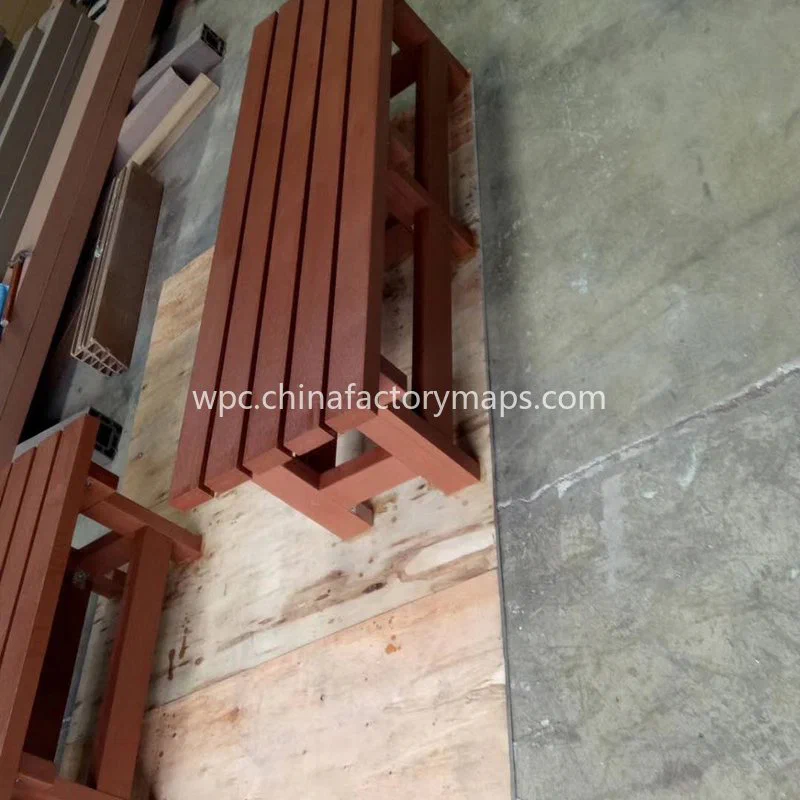
WPC fluted panels are increasingly popular in both residential and commercial applications, offering aesthetic appeal alongside functional benefits. These panels are available in various material compositions and finishes, which can impact their performance, durability, and application suitability. Understanding the material differences and trade-offs is essential for selecting the right fluted panel for specific projects.
One of the primary materials used for WPC fluted panels is a blend of wood fibers and plastic. This combination provides several advantages, such as resistance to moisture, insects, and rot, making it suitable for outdoor use. However, WPC panels can expand and contract with changes in temperature, which must be accounted for in installation. Proper gapping and a ventilated substructure are necessary to mitigate issues related to thermal movement. In contrast, traditional wood fluted panels lack some of these benefits, often requiring more maintenance and presenting a higher risk of deterioration under humid conditions.
The finishing options for WPC fluted panels vary significantly, impacting both the appearance and performance. Capped composite panels are designed with an additional layer of protective material on the surface. This layer enhances UV resistance, reducing the likelihood of color fading over time. Non-capped panels may be less expensive but can suffer more from exposure to sunlight and moisture, potentially leading to quicker degradation. Therefore, when choosing between capped and non-capped options, buyers must weigh the upfront cost against long-term durability and maintenance needs.

Another consideration is the fastening methods used for WPC fluted panels. Hidden fasteners are often recommended for a cleaner, more seamless look. They reduce the visibility of screws and can help prevent moisture from seeping into the panel joints. However, some installations may require traditional screws, which can be more straightforward but can also lead to visible hardware and increased potential for water infiltration. Understanding the installation requirements and the environment in which the panels will be used is critical for ensuring long-lasting performance.
When it comes to applications, WPC fluted panels can be utilized in various settings, including exterior facade cladding, garden decking, and balcony installations. Their weather resistance makes them suitable for outdoor applications, while their aesthetic versatility allows for creative design solutions. However, specific performance characteristics should guide the choice of material and finish. For instance, areas with high UV exposure may benefit from capped panels, while regions with less moisture may allow for more cost-effective options.

In conclusion, selecting the right WPC fluted panel involves careful consideration of material composition, finish, and fastening methods. Each option presents unique benefits and trade-offs that can significantly impact the longevity and performance of the panels in their intended environment.
FAQ
Q: What are the benefits of using WPC fluted panels over traditional wood panels?
A: WPC fluted panels are more resistant to moisture, insects, and rot, making them better suited for outdoor applications compared to traditional wood panels.
Q: How should WPC fluted panels be installed to account for thermal movement?
A: Proper gapping and a ventilated substructure are essential to accommodate the expansion and contraction of WPC materials due to temperature changes.
Related Articles
Featured Suppliers
Verified premium suppliers on our map.
