Comparing Installation Techniques for Composite Decking on Wood Joists

Composite decking installation on wood joists requires a technical approach to ensure durability and functionality. This article compares installation techniques by focusing on the material behavior of wood-plastic composite (WPC) decking, the specific requirements for wood joists, and the trade-offs involved in fastening methods and structural considerations.
One critical aspect to consider when installing composite decking on wood joists is the thermal expansion and contraction of WPC materials. Unlike natural wood, WPC expands and contracts more significantly with temperature changes, which necessitates precise gapping between boards to accommodate movement. Failure to account for thermal expansion can lead to buckling or warping over time. Installers must also ensure adequate ventilation beneath the decking to prevent heat buildup, which can exacerbate material movement and stress the fastening system.

Moisture resistance is another hallmark of composite decking, but it comes with caveats. While WPC resists rot and insect damage far better than wood, it is not entirely waterproof. Over time, prolonged exposure to standing water can degrade the structural integrity of the joists beneath. For installations in regions with high rainfall or humidity—such as Guangdong or Zhejiang—proper drainage systems and moisture barriers are essential to protect the wood joists from water damage.

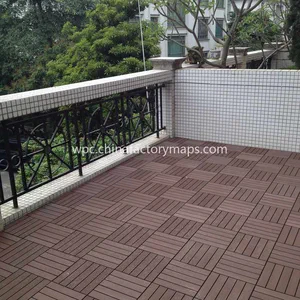
Fastening methods play a significant role in the performance and appearance of composite decking on wood joists. Hidden fasteners offer a clean aesthetic and reduce the risk of surface damage, but they may require more precise alignment during installation. On the other hand, face screws provide stronger holding power, especially for boards subject to heavy foot traffic, such as balcony decking or poolside decking. In either case, corrosion-resistant screws, such as stainless steel or coated options, are recommended to prevent rust in areas near coastal export ports like Qingdao or Ningbo-Zhoushan.
UV resistance is a notable advantage of WPC decking, but color fading under sustained sunlight exposure is an industry-wide concern. For installations in sun-intense regions like Anhui or Shandong, selecting capped composite decking can mitigate fading. Capped boards feature a protective layer that enhances UV resistance and provides a longer-lasting surface finish. However, this comes at a higher cost, which buyers should weigh against project budgets.
Structural considerations also differ between composite decking and traditional wood. Composite boards are denser and less flexible, requiring closer joist spacing to prevent sagging. Industry guidelines often recommend joist spacing of 12 to 16 inches for composite decking, compared to 24 inches for wood. Installers working with existing wood joist structures may need to reinforce or modify the framework to meet these spacing requirements, particularly for high-load applications such as outdoor flooring or garden decking.
Maintenance expectations are another factor influencing installation techniques. Composite decking is low maintenance in comparison to wood, but it is not maintenance-free. Dirt and debris accumulation can trap moisture, while surface scratches may occur over time. Regular cleaning and the occasional resealing of capped boards can preserve both aesthetics and functionality. Buyers sourcing bulk orders for large-scale projects should factor in long-term care requirements, especially for installations in high-traffic areas or exposed environments.
Lastly, the choice of composite decking brands and materials plays a vital role in installation success. Not all WPC products are manufactured to the same standards, which affects performance, lifespan, and installation ease. Sourcing from suppliers mapped near major export hubs like Shanghai or Guangzhou can simplify logistics and ensure access to materials tailored for local climate conditions. Buyers should assess certifications and material specifications to confirm compatibility with their project sites and structural frameworks.
FAQ
Q: What joist spacing is recommended for installing composite decking on wood joists?
A: Most guidelines suggest 12 to 16 inches, depending on the board thickness and load requirements.
Q: Can composite decking be installed near water features like pools?
A: Yes, but proper drainage and moisture barriers should be used to protect the wood joists underneath.
Q: Does UV exposure affect the color of composite decking?
A: Prolonged UV exposure can cause fading, but capped composite boards offer better resistance to this issue.
Related Articles
Featured Suppliers
Verified premium suppliers on our map.