Comparing Material Compositions for Long-Lasting Decks
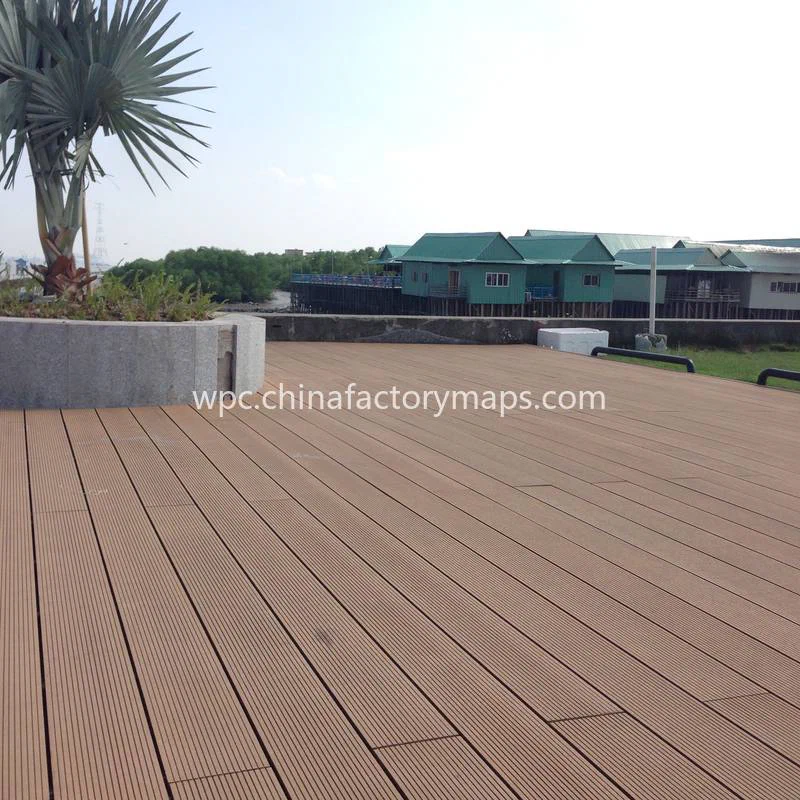
Wood-plastic composite (WPC) decking has gained popularity as an alternative to traditional wood decking, offering durability and resistance to moisture, insects, and UV exposure. However, not all composite materials are created equal, and understanding the differences in material composition can significantly impact the lifespan and performance of a composite deck.
Material Composition and Additives
WPC decking typically consists of wood fiber or flour combined with thermoplastics such as polyethylene, polypropylene, or polyvinyl chloride (PVC). The type of plastic used directly affects characteristics like thermal movement, impact resistance, and flexibility. PVC-based composites, for example, are more rigid and offer better resistance to moisture but may expand and contract more with temperature changes. Additives such as UV stabilizers, color pigments, and anti-fungal agents further enhance the material’s performance. Buyers should consider whether the supplier incorporates these additives consistently across their products.

Capped vs. Uncapped Decking
Capped composite decking features an additional protective layer or shell, which improves resistance to staining, scratching, and fading. This cap often contains denser material or additional UV stabilizers, making it suitable for outdoor applications where prolonged sun exposure is expected. Uncapped boards, while generally less expensive, are more susceptible to discoloration and surface wear over time. Both options require proper gapping and substructure ventilation to accommodate thermal movement and avoid warping.
Moisture Resistance and Installation Practices
One of the key advantages of WPC decking is its resistance to moisture, making it suitable for areas prone to rain or near pools. However, moisture resistance does not equate to waterproofing. Water can still penetrate improperly sealed edges or fastening points, especially if the decking is installed without sufficient drainage. Buyers should ensure suppliers provide installation guidelines that include recommendations for ventilated substructures and drainage systems to maintain the composite deck lifespan.
UV Stability and Color Retention
Prolonged UV exposure can lead to fading or chalking on composite decking, particularly in uncapped boards or products without adequate UV stabilizers. While darker colors may show fading more visibly, lighter shades tend to retain their appearance longer. Co-extrusion technologies, often used in capped decking, help preserve color and texture, making these products a better choice for high-sunlight regions. Suppliers from regions like Guangdong or Zhejiang often offer co-extruded options tailored to these needs.
Fastening Systems and Structural Integrity
The choice of fastening system—whether hidden clips, screws, or nails—impacts the deck’s structural integrity and aesthetic appeal. Hidden fasteners create a cleaner surface but may require specialized tools and more precise installation. Screws are easier to install but can leave visible marks if not countersunk properly. Regardless of the fastening method, buyers should prioritize suppliers offering decking boards with reinforced edges to prevent damage during installation.

Environmental Considerations
WPC is marketed as an eco-friendly alternative due to its use of recycled materials. However, not all manufacturers adhere to strict environmental standards. Buyers sourcing from clusters such as Anhui or Shandong should inquire about the proportion of recycled content in the product and whether the factory complies with local and international eco-certifications. This not only supports sustainability but also ensures consistent product quality.

FAQ
Q: What is the expected lifespan of composite decking? A: Composite decking can last 20–30 years with proper installation and maintenance, but this varies depending on material composition and environmental exposure.
Q: Does composite decking require regular maintenance? A: While composite decking is lower maintenance than wood, periodic cleaning and inspection for damage or debris buildup are recommended.
Related Articles
Featured Suppliers
Verified premium suppliers on our map.