
Comparing Material Properties of Plastic Wood Composites
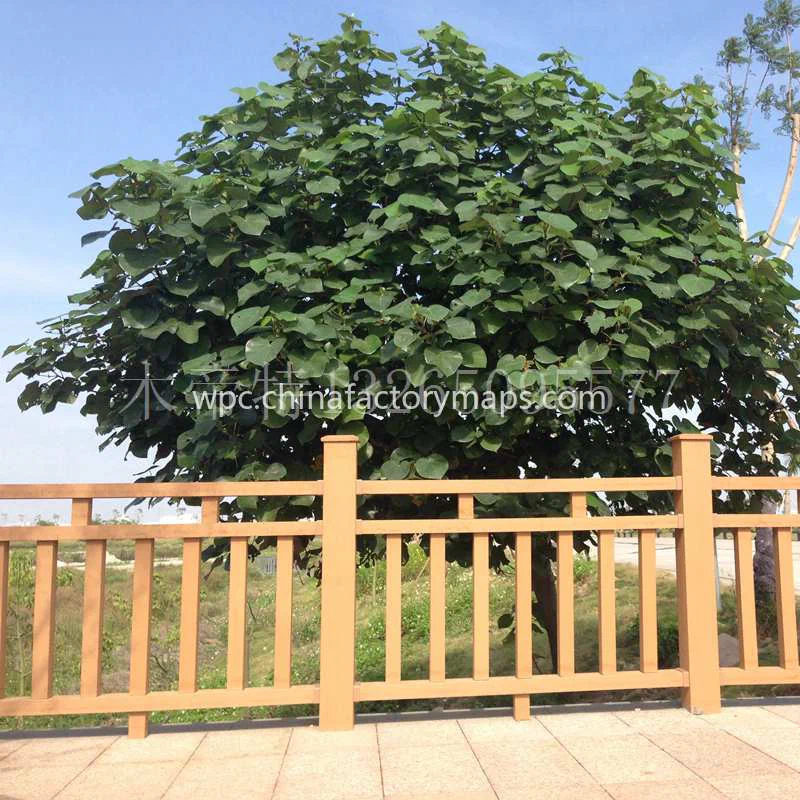
Plastic wood composite consists of a blend of wood fibers and plastic materials, creating a versatile product used in various outdoor applications. This article compares the material properties of plastic wood composites, focusing on their construction, moisture resistance, thermal expansion, UV stability, and fastening methods. Understanding these factors helps buyers make informed decisions when selecting the right composite for their projects.
Material Composition
Plastic wood composite typically combines wood flour with thermoplastics such as polyethylene or polypropylene. The ratio of wood to plastic can vary, influencing the final product’s characteristics. A higher wood content generally provides a more natural appearance, while increased plastic content enhances moisture resistance and durability. Manufacturers in regions like Guangdong and Zhejiang often offer a range of formulations, allowing buyers to choose composites that align with their specific needs.
Moisture Resistance
Moisture resistance is a crucial consideration for outdoor applications. Plastic wood composites are designed to resist water absorption, which helps prevent warping, rotting, and insect damage. However, they are not completely waterproof. Proper installation techniques, such as ensuring adequate drainage and ventilation, are essential to prolong the lifespan of these materials. Buyers should inquire about the moisture performance of different products, as some composites may perform better than others in high-humidity environments.
Thermal Expansion
Temperature fluctuations can lead to thermal expansion and contraction in plastic wood composites. This behavior necessitates specific design considerations during installation. For instance, gapping between boards is essential to accommodate movement. The degree of thermal expansion depends on the material composition and the environmental conditions. Buyers should consult with manufacturers regarding the recommended gapping and substructure requirements for their chosen composite to avoid issues over time.
UV Stability
Exposure to ultraviolet (UV) light can cause color fading in plastic wood composites. While many manufacturers add UV stabilizers to improve resistance, some products may still experience noticeable changes in color after prolonged sunlight exposure. Selecting a composite with enhanced UV protection is important for maintaining aesthetic appeal. Buyers should also consider the location of their project; composites used in sunnier regions might require more robust UV resistance compared to those in shaded areas.

Fastening Methods
Selecting the right fastening method is critical for the performance of plastic wood composites. Common options include hidden fasteners, screws, and nails. Hidden fasteners can provide a cleaner appearance, while screws ensure a secure connection and may be easier to replace if needed. Different fastening methods can affect the overall performance and durability of the decking or cladding. Buyers should evaluate the compatibility of their chosen fastening method with the specific composite they select to prevent any installation complications.
Trade-offs in Performance
When choosing a plastic wood composite, buyers must weigh various performance factors against each other. For example, composites with higher wood content may offer a more appealing natural look but might be less resistant to moisture and UV damage. Conversely, products with higher plastic content may provide greater durability but could lack the visual appeal of natural wood. Understanding these trade-offs is essential for selecting the right composite for a specific application.

Conclusion
Plastic wood composites present a range of options for outdoor applications, each with unique properties and performance characteristics. Buyers should carefully consider material composition, moisture resistance, thermal expansion, UV stability, and fastening methods when selecting the best product for their needs. The geographical clustering of suppliers in regions like Guangdong and Shandong allows for easier access to various types of plastic wood composites, facilitating informed purchasing decisions.

FAQ
Q: What is plastic wood composite made of?
A: Plastic wood composite is typically composed of a mix of wood fibers and thermoplastics, such as polyethylene or polypropylene.
Q: How does moisture affect plastic wood composites?
A: While plastic wood composites resist moisture, they are not waterproof, and proper installation techniques are necessary to prevent potential issues.
Q: What are the best fastening methods for plastic wood composites?
A: Common fastening methods include hidden fasteners for a clean appearance and screws for secure connections. The choice depends on the specific composite and project requirements.
Featured Suppliers
Verified premium suppliers on our map.
