Comparing Plastic Wood Textures for Realistic Finishes
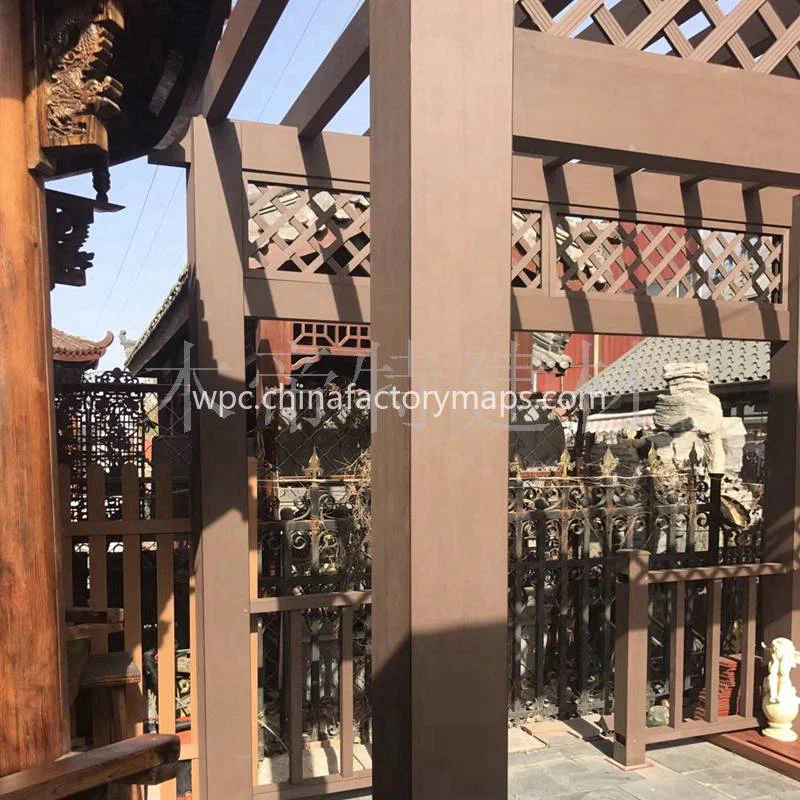
Plastic wood textures in WPC products vary significantly based on manufacturing processes and material ratios. These differences affect not only the aesthetic appeal but also performance factors such as durability, UV resistance, and maintenance. Understanding these variations helps buyers choose the most suitable option for specific applications, whether for outdoor decking, cladding, or railing.
Surface Texturing Techniques
The texture of WPC surfaces is influenced by the method used in production. Brushed and embossed finishes aim to mimic the grain patterns of natural wood, with embossed textures providing a more pronounced appearance. Co-extrusion techniques, which add a protective outer layer, can enhance both the visual depth and the UV resistance of the product. However, co-extruded boards often cost more than standard ones due to the additional manufacturing step. Buyers considering high-traffic or sun-exposed areas may find this added investment worthwhile.
Material Composition and Weathering

The blend of wood fibers and plastic content significantly affects the texture and longevity of WPC boards. Products with higher wood content tend to look more natural but may absorb moisture more readily, increasing the risk of swelling or warping if not properly sealed. On the other hand, boards with a higher plastic ratio are more resistant to water and insects but may lack the authentic wood-like look some buyers prefer. UV exposure can also fade colors over time, particularly in areas with intense sunlight. While co-extrusion offers better color retention, no product is entirely immune to fading.

Applications and Trade-offs

Different textures suit different applications. Smooth textures, while easy to clean, may become slippery when wet, making them less ideal for poolside decking. Deeply embossed boards provide better slip resistance but can trap dirt in grooves, requiring more maintenance. Buyers looking for balcony or garden decking often prioritize aesthetics and durability, while industrial or commercial settings may focus more on resistance to wear and environmental factors. Understanding these trade-offs ensures an aligned choice between design preferences and practical needs.

FAQ
Q: Do WPC products require maintenance to preserve their texture?
A: Yes, periodic cleaning and care are needed to prevent dirt buildup and maintain appearance, especially for embossed textures.
Q: How does UV exposure affect plastic wood texture over time?
A: Prolonged UV exposure can cause color fading, though co-extruded boards resist this better than standard options.
Q: Are smooth WPC boards suitable for all outdoor applications?
A: Smooth boards may not be ideal for wet areas due to reduced slip resistance; embossed textures are safer in such conditions.
Related Articles
Featured Suppliers
Verified premium suppliers on our map.