
Comparing the Properties of WPC RAL 7016 and Other Finishes
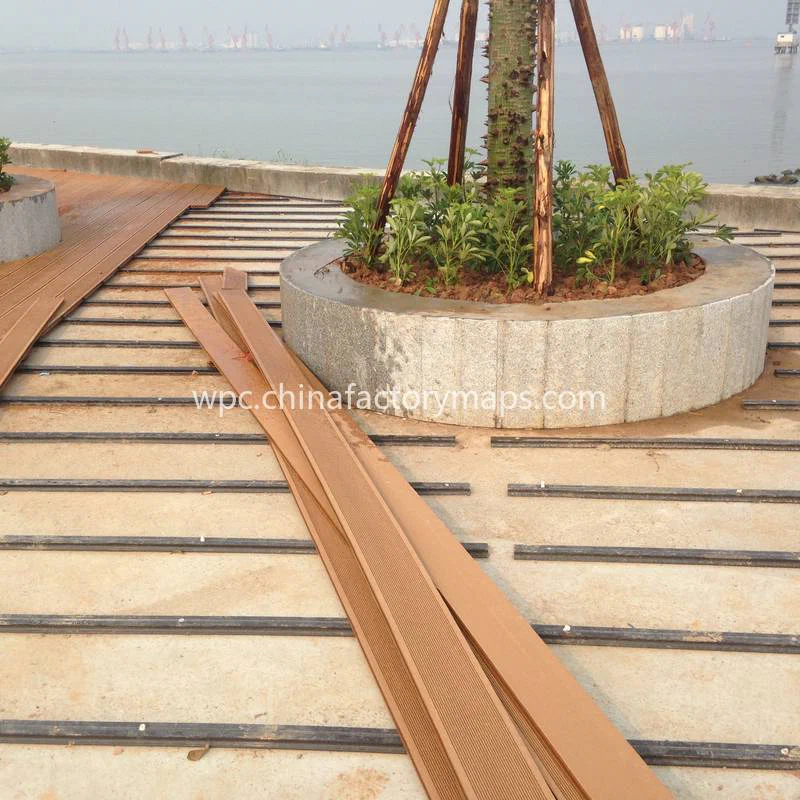
WPC RAL 7016 is a popular color choice for wood-plastic composite (WPC) products, offering a unique aesthetic that combines durability with an attractive finish. When compared to other finishes, it is vital to understand the material properties and how they influence performance in various applications. This article will outline the characteristics of WPC RAL 7016 alongside other common finishes, focusing on construction differences, trade-offs, and practical considerations for buyers.
Material Composition and Properties
WPC is primarily made from a blend of wood fibers and plastic, which gives it distinct properties. WPC RAL 7016, like other finishes, retains the inherent qualities of wood-plastic composites, such as resistance to moisture and insects. However, the specific color and finish can affect the material’s thermal behavior. Darker colors, such as RAL 7016, tend to absorb more heat, which can lead to greater expansion and contraction with temperature fluctuations. Buyers should consider this thermal movement when planning installation, ensuring proper gapping and ventilation to accommodate these changes.

Aesthetic Considerations

The choice of finish can significantly influence the visual appeal of a WPC product. WPC RAL 7016 offers a sleek, modern appearance that aligns with contemporary design trends. Other finishes may include lighter colors or wood-like textures that provide a different aesthetic. Each finish has its place, depending on the desired look and feel of the project. For example, while RAL 7016 may suit urban environments, lighter finishes might be preferable for more traditional settings or rural landscapes.
UV Resistance and Longevity

All WPC materials, including RAL 7016, have a degree of UV resistance, which helps minimize fading over time. However, darker finishes are more susceptible to noticeable fading from prolonged sun exposure. While RAL 7016 can maintain its color reasonably well, it is essential to consider the potential for color changes and to implement protective measures, such as periodic cleaning and applying UV-resistant coatings. Other finishes may offer different levels of UV protection, which can affect long-term maintenance strategies.
Fastening and Installation
The installation process can vary based on the finish of the WPC product. RAL 7016 may require specific fastening techniques to ensure that the material performs optimally, particularly given its darker color and potential thermal expansion. Some finishes might be more forgiving in terms of gaps and spacing, while darker options may necessitate stricter adherence to installation guidelines to avoid warping or buckling. Buyers should consult installation guides specific to each finish to ensure proper application.
Environmental Considerations
WPC products are often marketed as eco-friendly alternatives to traditional wood. The raw materials used in WPC RAL 7016 and other finishes typically include recycled plastics and sustainably sourced wood fibers. However, the environmental impact can vary based on the manufacturing processes and the sourcing of materials. Buyers should seek out suppliers who provide transparency regarding their sustainability practices, as this information can be crucial when making environmentally conscious purchasing decisions.
Cost Implications
Pricing can be influenced by the choice of finish, with some colors or textures costing more due to the complexity of production. WPC RAL 7016 may fall into a mid-range price category, balancing affordability with aesthetic appeal. Buyers should consider not only the initial cost of the material but also long-term expenses related to maintenance and replacement. A more expensive finish might offer better durability and longevity, ultimately leading to cost savings over time.
Performance in Various Applications
WPC RAL 7016 is versatile and suitable for a range of applications, including decking, fencing, and cladding. Its unique color can enhance outdoor aesthetics and provide a modern touch to architectural designs. However, specific applications may have different performance requirements, making it essential to evaluate whether RAL 7016 meets the needs of a particular project. Other finishes may be better suited for certain environments or uses, highlighting the importance of a thorough assessment during the selection process.
FAQ
Q: What is WPC RAL 7016 used for?
A: WPC RAL 7016 is commonly used for decking, fencing, and cladding, offering a modern aesthetic and durability.
Q: How does sunlight affect WPC RAL 7016?
A: While WPC RAL 7016 has UV resistance, it may experience some fading over time, particularly in areas with prolonged sun exposure.
Related Articles
Featured Suppliers
Verified premium suppliers on our map.
