Comparing WPC and SPC Flooring for Coastal Homes
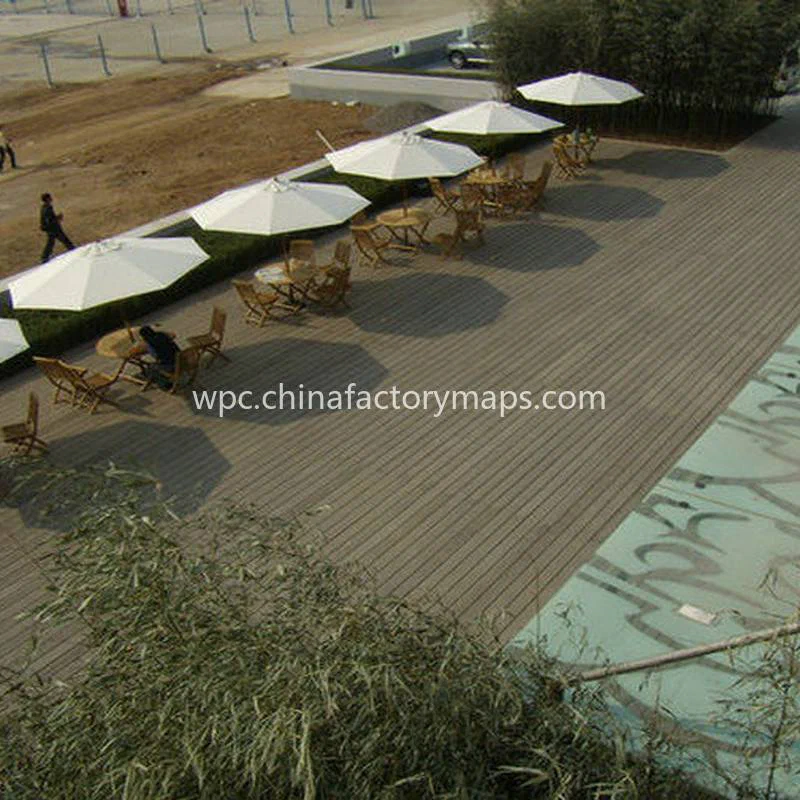
Wood-plastic composite (WPC) and stone-plastic composite (SPC) flooring are often compared for coastal home applications due to their resistance to moisture and durability in demanding environments. Each material offers distinct advantages and limitations when exposed to coastal conditions such as salt air, freeze-thaw cycles, heavy foot traffic, and high UV exposure. Selecting the right option requires understanding these factors and sourcing materials from suppliers equipped to meet the demands of such projects.
Material Performance in Coastal Conditions
WPC flooring is made from a blend of wood fibers and plastic, offering a balance of flexibility and resilience. It resists moisture more effectively than wood alone and provides better thermal insulation than SPC. This makes it suitable for areas prone to temperature fluctuations, such as coastal regions where freeze-thaw cycles can occur. However, WPC can expand and contract with temperature changes, requiring proper gapping and a ventilated substructure to prevent warping.
SPC flooring, on the other hand, is composed of calcium carbonate (limestone), polyvinyl chloride, and stabilizers. It is more dimensionally stable than WPC, making it less prone to expansion and contraction. This stability is advantageous in high-traffic areas or installations where precise fit and finish are critical. However, SPC lacks the same thermal insulation properties as WPC, which can make it less comfortable underfoot in colder climates.
Resistance to Salt Air and UV Exposure

Coastal environments expose materials to salt-laden air, which can accelerate corrosion and degradation. Both WPC and SPC flooring are designed to resist such conditions, but WPC is particularly valued for its reduced maintenance needs in outdoor settings like patios and decks. Co-extruded WPC, featuring a protective polymer cap, offers additional UV resistance to minimize color fading under sustained sunlight. SPC flooring, while also UV-resistant, may require additional protective coatings for outdoor use, as its primary applications are typically indoors.
Manufacturers in regions like Guangdong and Zhejiang have extensive experience producing WPC products that perform well in harsh environments. These provinces are known for their advanced production facilities and proximity to major export ports such as Shenzhen Port and Ningbo-Zhoushan Port, facilitating efficient international shipping.
Addressing Heavy Foot Traffic
For coastal vacation homes or public spaces, flooring must withstand heavy foot traffic without compromising its appearance or integrity. SPC flooring is particularly suited to such applications due to its high-density core, which provides excellent impact resistance. Its rigid structure also makes it a preferred choice for areas requiring high load-bearing capacity, such as entryways or kitchens.
WPC flooring, while slightly less rigid, offers a more comfortable surface for walking or standing over extended periods. This makes it a popular choice for residential applications like living rooms or bedrooms. Suppliers in Shandong and Jiangsu provinces, where industrial hubs like Linyi and Nanjing are located, often cater to bulk orders for both WPC and SPC, ensuring a steady supply for large-scale projects.
Sourcing Considerations for Buyers
When choosing between WPC and SPC flooring for coastal applications, buyers should consider not only the material properties but also the supplier’s capabilities. Provinces such as Anhui and Shanghai are home to suppliers experienced in producing tailored solutions for international markets. Proximity to ports like Shanghai Port and Beibu Gulf Port allows these manufacturers to ship products efficiently, reducing lead times for overseas buyers.
Customization options, such as co-extruded caps for WPC or specific textures for SPC, should also be discussed with suppliers. Buyers should inquire about certifications related to environmental sustainability and product safety, as these can influence the suitability of the flooring for specific projects.
Maintenance and Longevity

Both WPC and SPC flooring require minimal maintenance compared to traditional wood flooring. Regular cleaning with mild detergent and water is usually sufficient to maintain their appearance. However, WPC may require occasional resealing of its polymer cap to ensure continued resistance to UV and moisture. SPC, being a solid material, is less susceptible to surface wear but may need periodic inspections to prevent damage from underlayment issues.
For long-term durability, installation quality is critical. Proper gapping, substructure ventilation for WPC, and level subfloor preparation for SPC are essential to prevent premature failures. Many suppliers in Zhejiang and Guangdong provide detailed installation guides and may offer technical support to ensure compliance with best practices.
Choosing the Right Material

Ultimately, the choice between WPC and SPC flooring for a coastal home depends on the specific requirements of the project. WPC is ideal for areas where comfort and thermal insulation are priorities, while SPC excels in high-traffic zones or where dimensional stability is critical. Buyers can explore supplier clusters in provinces like Guangdong, Anhui, and Shandong to find manufacturers with proven expertise in producing these materials for coastal applications.
FAQ
Q: What makes WPC better for outdoor use than SPC?
A: WPC offers better thermal insulation and can include co-extruded caps for UV and moisture resistance, making it suitable for exposed environments like patios.
Q: Are there specific regions in China known for WPC or SPC production?
A: Guangdong and Zhejiang are key regions for WPC, while Anhui and Shandong also produce SPC. Proximity to ports like Shenzhen and Ningbo supports efficient exports.
Related Articles
Featured Suppliers
Verified premium suppliers on our map.