Comparing WPC Flooring Types for Durability and Finish
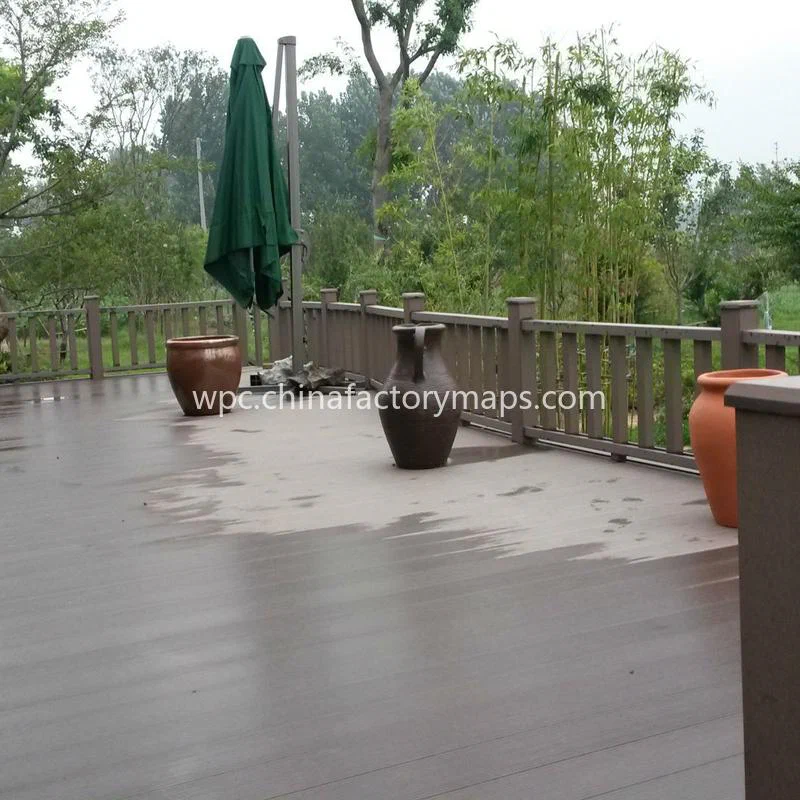
Wood-plastic composite (WPC) flooring offers a blend of natural wood aesthetics and synthetic durability, but not all WPC flooring is created equal. Buyers need to weigh factors like core material, surface finish, and intended application to choose the right product. This article examines key types of WPC flooring and their trade-offs to help informed purchasing decisions.
Core Material Differences
WPC flooring typically features a plastic composite core reinforced with wood fibers or powdered wood. Some variants use a high-density core, which provides greater stability under heavy loads, while others incorporate a foamed core for added cushioning and thermal insulation. High-density cores resist indentation better but may expand more with temperature changes, requiring careful gapping during installation. Foamed cores, though softer, are less prone to thermal movement but may lack the durability needed for heavy-traffic areas.
Surface Finish and Coating Options
The surface finish significantly affects the flooring’s durability and appearance. Uncapped WPC, common in lower-cost options, is prone to UV fading and surface wear over time. Capped WPC includes an additional protective layer that resists scratches, moisture, and stains, making it better suited for outdoor or commercial settings. Some capped products also feature embossed textures, mimicking natural wood grain more effectively. However, capped WPC can be more expensive, and deep scratches may expose the core material.
Moisture and Weather Resistance
One of WPC flooring’s main advantages is its resistance to moisture compared to traditional wood. However, it is not entirely waterproof. Prolonged exposure to standing water can still cause damage if the product is improperly sealed or installed. Additionally, thermal expansion must be accounted for in regions with significant temperature fluctuations, as even moisture-resistant WPC can warp under extreme conditions. Ventilated substructures and proper gapping mitigate these risks.

Trade-offs in Fastening and Installation
WPC flooring is generally easier to install than natural wood, with options for hidden fastening systems or interlocking planks. Hidden fasteners preserve the clean appearance of the surface but require precise alignment. Interlocking systems are quicker to install but may not offer the same stability over large spans. Regardless of the system, ensuring proper substructure ventilation is critical for preventing moisture buildup, which can compromise performance over time.
Applications and Aesthetic Considerations

Different WPC flooring types suit different environments. High-density, capped options excel in commercial spaces or areas exposed to heavy wear, such as retail stores or public walkways. Foamed-core types with wood-like finishes may be better suited for residential use, particularly in living rooms or bedrooms where comfort underfoot is a priority. Color and finish options vary widely, offering flexibility to match various design preferences, but outdoor applications may require UV-resistant coatings to maintain long-term aesthetics.
FAQ
Q: Is WPC flooring completely waterproof?
A: No, WPC flooring is moisture-resistant but not entirely waterproof. Proper sealing and installation are needed to prevent water damage.
Q: Does WPC flooring fade in sunlight?
A: Uncapped WPC may fade under UV exposure, while capped varieties with UV-resistant coatings offer better color retention.
Featured Suppliers
Verified premium suppliers on our map.