
Composite Aluminium for Coastal Buildings: Material Choices and Exposure
Coastal building projects place specific demands on exterior materials. Salt carried by sea air, strong ultraviolet exposure, wind-driven rain and temperature changes can affect service life, appearance and installation requirements. Buyers sourcing composite aluminium panels or wood-plastic composite (WPC) products need to assess the intended application before comparing manufacturers across China.
Material selection for coastal exposure
For façades, balcony screens and exterior wall systems, composite aluminium panels and WPC cladding serve different purposes. Aluminium composite panels typically combine aluminium skins with a core, while WPC combines wood fibres or flour with thermoplastic polymers. The appropriate choice depends on the building design, exposure conditions, fire requirements and maintenance plan. Coastal air can accelerate corrosion of exposed metal components, so panel coatings, cut edges, fasteners and supporting frames all require attention. Buyers should request evidence of coating performance and corrosion resistance under relevant test conditions rather than relying on general claims of outdoor suitability.

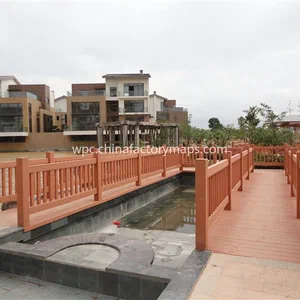
Decking and pedestrian surfaces face a different set of stresses. Salt deposits, frequent wetting, sand and heavy foot traffic can contribute to staining, surface wear or slipping. WPC resists moisture and insect damage better than untreated timber, but it is not indestructible or completely waterproof in every installation. Ask suppliers for slip-resistance test results under wet conditions, abrasion performance and guidance on cleaning salt residue. Poolside walkways, hotel terraces and public promenades may need different surface textures and wear specifications. Where freeze-thaw cycles occur, water absorption, drainage and the behaviour of the complete installed system deserve particular scrutiny.

Specifications that affect supplier selection
Temperature movement matters for WPC boards. They expand and contract as conditions change, so installers need suitable end gaps, manufacturer-specified spacing and a ventilated substructure that allows drainage and airflow. Fixing systems must accommodate movement without creating excessive restraint. Under sustained UV exposure, colours can fade, particularly on highly exposed surfaces. Buyers should request weathering data, colour-retention information and samples that reflect the proposed production finish. For composite aluminium, confirm the alloy and coating specifications, panel thickness, core type and suitability for the building’s fire requirements. Fire performance must be assessed for the complete relevant assembly where regulations require it, not inferred from the material name alone.
China’s mapped supplier clusters offer several starting points for sourcing. Guangdong has the largest listed group in this directory, with manufacturers across Foshan, Guangzhou and Zhuhai. Buyers evaluating outdoor building products can compare locations and investigate whether individual factories support the required panel types, surface finishes and export documentation. Anhui, including Xuancheng, Suzhou and Guangde, provides another cluster to examine. Shandong’s mapped suppliers include Zibo, Linyi and Qingdao, while Zhejiang’s include Huzhou, Jiaxing and Hangzhou. These locations are useful search filters, not proof that a particular factory specialises in coastal construction.
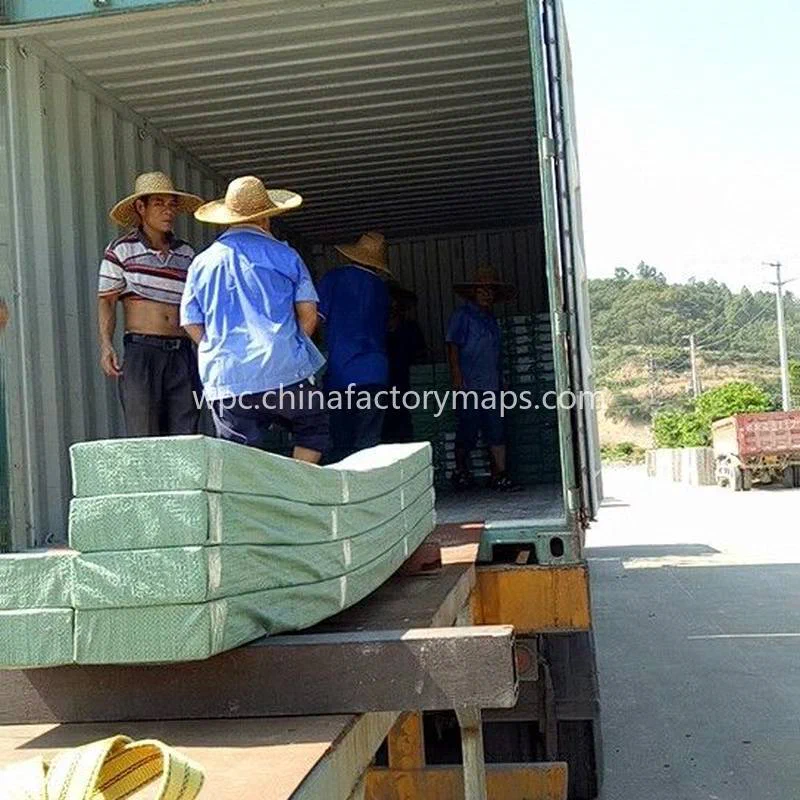
For export planning, distance to port is one practical factor among several. The directory maps suppliers against major gateways including Shanghai Port, Ningbo-Zhoushan Port, Shenzhen Port, Qingdao Port and Guangzhou Port. A nearby port may simplify inland transport, but the actual route, cargo dimensions, loading arrangements and sailing schedule affect the final logistics decision. Before requesting quotations, buyers should provide drawings, intended use, exposure conditions, target finish and applicable compliance requirements. Factory verification should cover production capability, quality-control records, packaging for sea freight and consistency between approved samples and bulk production. These checks help distinguish a geographically convenient supplier from one equipped to meet the project’s actual specification.
FAQ
Q: Is WPC suitable for buildings near the sea?
A: WPC can suit coastal decking and cladding when its formulation, fixings and installation details match the exposure. Salt residue, UV fading, drainage and temperature movement still require management.
Q: Which Chinese regions should buyers compare for coastal building materials?
A: Guangdong, Anhui, Shandong and Zhejiang are useful starting points within the mapped supplier directory. Buyers should verify each factory’s product range and technical capabilities rather than assume all listed suppliers serve coastal projects.
Related Articles
Featured Suppliers
Verified premium suppliers on our map.
