
Composite Cladding or Traditional Siding? Comparing Profiles and Finishes
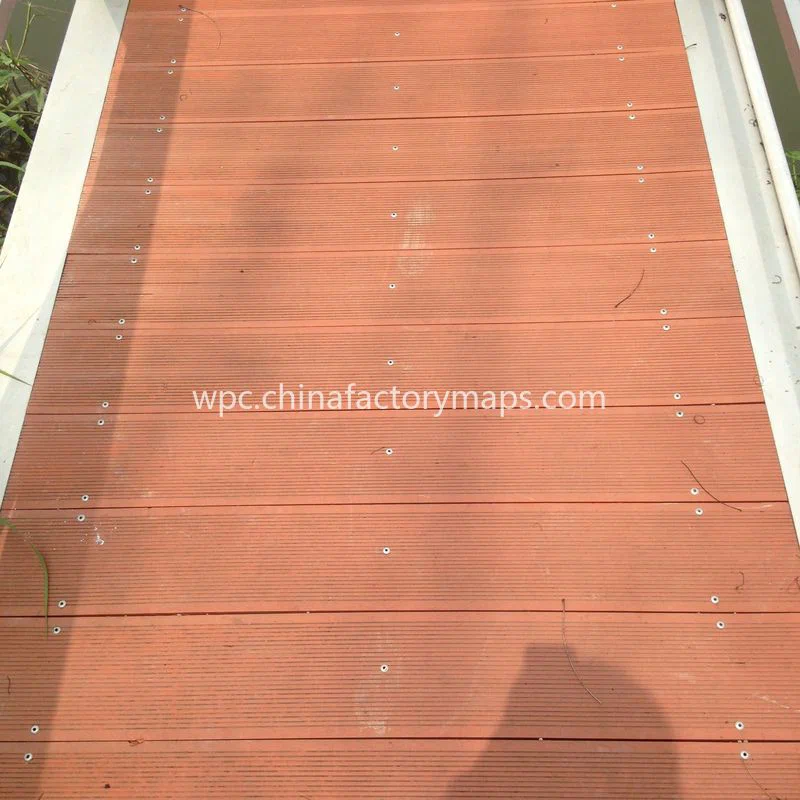
Composite cladding and traditional siding differ in their material composition, profile design, installation requirements, and long-term maintenance needs. For buyers comparing composite cladding siding options, the key decision is how each system performs on the intended building, rather than which finish looks closest to natural timber. Material specifications and installation details often matter more than appearance alone.
Wood-plastic composite (WPC) cladding combines wood fibre or wood flour with thermoplastic polymers and additives. The resulting boards can reproduce timber grain while offering greater resistance to moisture and insect damage than untreated wood. Traditional siding covers several distinct materials, including solid timber, fibre cement, vinyl and metal, each with different performance characteristics. Timber can be cut and repaired using familiar carpentry methods but may require regular coating and protection against decay. Fibre cement provides a rigid surface and needs careful handling during cutting and installation. Vinyl is relatively light, while metal siding offers different thermal and impact characteristics depending on its construction. WPC sits between these options, combining a wood-like appearance with a polymer-based structure. It is not immune to damage, and prolonged exposure to sunlight can alter its colour.
Profile design affects drainage, ventilation and the finished facade. WPC cladding is available in profiles such as grooved boards, interlocking planks and systems with concealed fasteners. The chosen profile determines how boards align, how joints manage water, and whether individual sections can be removed for repair. Traditional timber siding includes lap boards, shingles and tongue-and-groove profiles, while fibre cement and metal systems use their own joint and panel arrangements. A concealed fixing system can create a consistent exterior, but it still needs to follow the manufacturer’s specified fixing points and clearances. WPC expands and contracts as temperatures change, so installers must allow for movement at board ends, corners and openings. A ventilated substructure and suitable drainage paths help manage moisture behind the cladding. Tight joints or blocked ventilation can create problems even when the facing material itself resists moisture well.

Finish selection should account for exposure, cleaning requirements and the expected service conditions. WPC boards may feature embossed grain, brushed textures or relatively uniform colours. Capped products add an outer polymer layer designed to improve surface protection, although performance varies by formulation and construction. Traditional timber can be stained or painted to suit a project, with future recoating usually part of its maintenance plan. Fibre cement can also be painted, while metal finishes depend on the coating system and substrate. Colour stability is a separate consideration: WPC may fade under sustained ultraviolet exposure, and darker finishes can become hot in direct sunlight. Buyers should request finish samples and ask how the product behaves after weathering, rather than relying only on showroom appearance. Cleaning instructions, scratch resistance and replacement-board availability are useful points to establish before approving a specification.

For overseas sourcing, comparing factory locations and export-port distances can help narrow the supplier shortlist, but geography does not establish product quality. Chinafactorymaps.com plots WPC factories across Guangdong, Anhui, Shandong, Zhejiang, Shanghai and Jiangsu, allowing buyers to compare mapped supplier locations with relevant shipping routes. Before requesting quotations, define the intended application, board dimensions, profile, surface finish, fastening method and expected exposure conditions. Ask suppliers for technical data covering thermal movement, recommended support spacing, fixing details, ventilation requirements and UV performance. Confirm whether samples represent the production finish and whether replacement profiles will remain available for future repairs. Freight planning should account for package dimensions and loading requirements, not just distance to the nearest port. These checks help distinguish products that merely look similar from systems suited to the project’s installation conditions.
FAQ
Q: Is WPC cladding better than traditional timber siding?
A: WPC generally offers better resistance to moisture and insects than untreated timber, while timber provides greater flexibility for conventional cutting, refinishing and repair. The better choice depends on exposure, maintenance expectations and the building design.
Q: Does composite cladding require expansion gaps?
A: Yes. WPC expands and contracts with temperature, so the installation needs manufacturer-specified end gaps, suitable fastening and a ventilated substructure.
Q: How can buyers compare Chinese WPC cladding suppliers?
A: Compare technical specifications, profile options, finish samples and installation guidance, then assess factory locations and distance to export ports. A mapped location helps with logistics planning but does not replace product verification.
Featured Suppliers
Verified premium suppliers on our map.
