Composite Deck Board Costs for High-Humidity Residential Decks
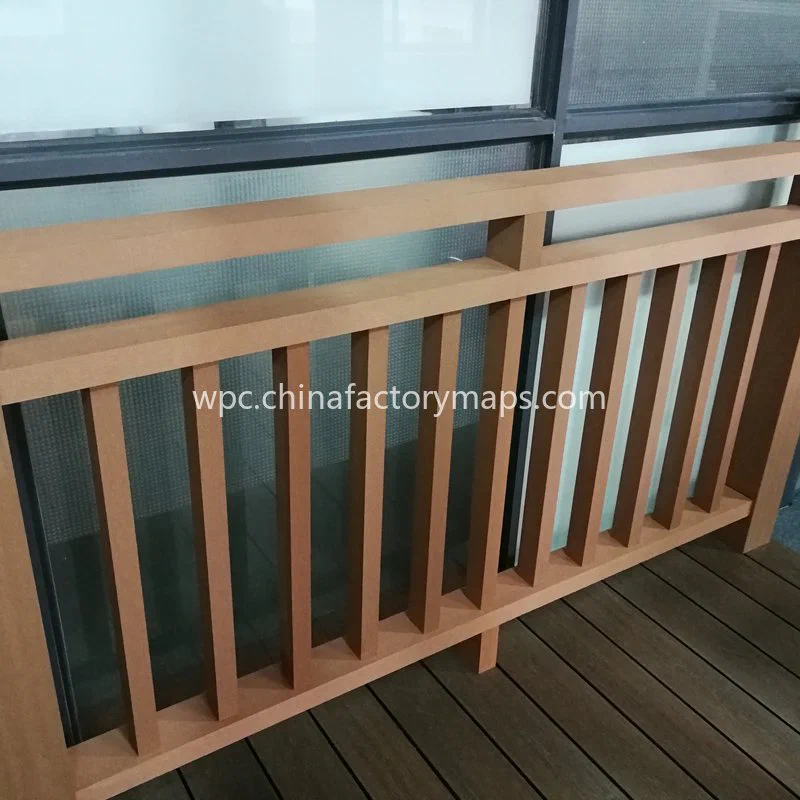
High-humidity residential decks, particularly in coastal or tropical regions, require materials that can withstand moisture, salt exposure, and extended periods of high humidity. Wood-plastic composite (WPC) deck boards are a popular choice for these settings due to their resistance to rot, swelling, and insect damage. However, buyers must carefully evaluate composite deck board pricing and ensure the material specifications align with the demands of such environments.
Key Considerations for High-Humidity Decks

Moisture resistance is a critical property for deck boards intended for humid climates. WPC boards, made from a mixture of wood fibers and recycled plastics, offer significant advantages over traditional timber in this regard. They do not absorb water to the same extent as natural wood, reducing the risk of warping and cracking. However, buyers should confirm that the product is rated for outdoor use and inquire about the supplier’s manufacturing methods, as variations in the polymer mix can influence performance.
Coastal environments add another layer of complexity, as salt exposure can accelerate wear and corrosion. While WPC boards are generally resistant to salt, certain fastening systems, screws, or substructures may require stainless steel components to avoid rust. Buyers sourcing for projects near saltwater should ask about compatibility and recommend testing the full system under simulated conditions.
Regional Production Strengths in China
Chinese WPC suppliers in regions like Guangdong and Zhejiang are particularly experienced in manufacturing composite products for outdoor applications, including high-humidity decks. Guangdong, home to cities such as Foshan and Guangzhou, has established itself as a hub for outdoor decking production due to its proximity to Shenzhen Port and Guangzhou Port, which facilitate global exports. Meanwhile, Zhejiang suppliers near Ningbo-Zhoushan Port have developed expertise in co-extrusion technology, a process that enhances the durability and UV resistance of WPC boards.
Shandong province, with cities like Qingdao and Linyi, serves many projects in colder climates where freeze-thaw cycles are a concern. These suppliers often optimize their boards for structural integrity under temperature fluctuations, a feature that may also benefit decks in high-humidity regions prone to sudden weather changes. Buyers sourcing from Shandong should inquire about the board’s thermal expansion coefficient and recommended installation practices.
Balancing UV Resistance and Color Retention
Prolonged UV exposure is a common challenge for decks in sunny, humid climates. WPC manufacturers often add UV stabilizers and surface coatings to mitigate fading and discoloration. Co-extruded boards, which feature an additional protective layer, tend to perform better in this regard. Suppliers in Shanghai and Jiangsu provinces frequently produce such enhanced boards, leveraging their proximity to advanced chemical processing facilities.

Color retention can also vary depending on the composite material mix. For buyers prioritizing aesthetics, it is advisable to request samples and test them under UV lamps or direct sunlight to gauge how the material performs over time. Some suppliers may also offer warranties against fading, though these should be reviewed in detail for exclusions.
Installation and Maintenance Requirements
While WPC deck boards are promoted as low-maintenance, they are not entirely maintenance-free. High-humidity settings demand proper gapping and ventilation in the deck’s substructure to prevent mold or mildew growth. Buyers should confirm whether the supplier provides detailed installation guides tailored to humid climates. For poolside or garden decks, anti-slip treatments are another essential feature to discuss with suppliers.
Maintenance considerations also include cleaning requirements. WPC boards often need periodic washing to remove dirt and algae, particularly in shaded or damp areas. Suppliers may recommend specific cleaning solutions or methods to avoid damaging the composite surface. Factories in Anhui province, including Xuancheng and Guangde, often provide detailed product care instructions for such applications.
Export Logistics and Supplier Selection
Export logistics can significantly influence the overall cost of composite deck boards. Buyers sourcing from regions near major ports like Shanghai Port or Qingdao Port may benefit from reduced shipping times and costs. Suppliers in Anhui and Zhejiang provinces, for instance, often ship through Ningbo-Zhoushan Port due to its high capacity and efficiency. Understanding the proximity of a supplier to export ports can help buyers minimize delays and optimize freight expenses.

Additionally, buyers should prioritize suppliers with experience in OEM manufacturing for overseas markets. This ensures better alignment with international quality standards and packaging requirements. Buyers can use the directory’s map view to filter suppliers by region and distance to their preferred port, aiding in the selection process.
FAQ
Q: Are WPC deck boards completely waterproof?
A: No, WPC boards resist moisture but are not entirely waterproof. Proper installation and drainage are necessary in high-humidity settings.
Q: How does UV exposure affect composite deck boards?
A: UV exposure can cause fading over time. Co-extruded boards with protective layers generally offer better resistance to discoloration.
Q: Which Chinese regions are best for sourcing outdoor WPC decking?
A: Guangdong, Zhejiang, and Shandong are strong options due to their manufacturing expertise and proximity to export ports.
Related Articles
Featured Suppliers
Verified premium suppliers on our map.