Composite Deck Cleaning: Smooth vs Textured Surface Considerations
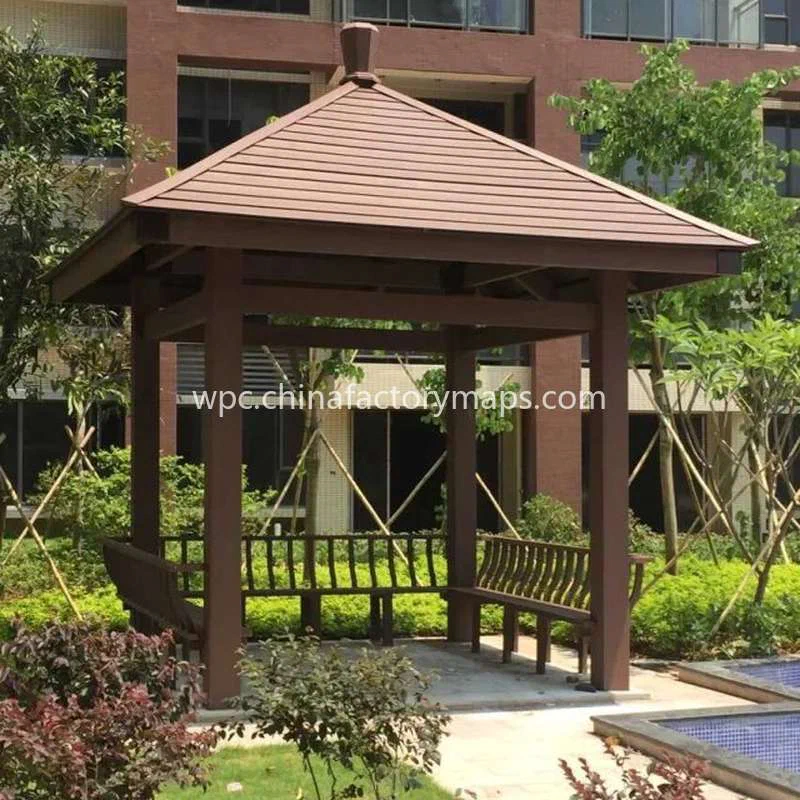
When cleaning composite decking, surface texture plays a significant role in determining both the effectiveness of cleaning methods and the level of maintenance required. Composite decks are available in smooth and textured finishes, each offering distinct advantages and challenges. Understanding the material differences and construction considerations is essential for selecting the right cleaning approach and setting realistic expectations for upkeep.
Smooth Surface Characteristics

Smooth composite decking provides a sleek appearance that many homeowners and commercial users find appealing. The lack of surface grooves makes it easier to sweep away debris, such as leaves and dirt. However, smooth surfaces can become slippery when wet, especially in areas prone to frequent rainfall or near pools. While most manufacturers design smooth composite boards with slip-resistant technology, they may still require more frequent cleaning to prevent the buildup of algae or mold, particularly in shaded or humid environments.
Cleaning smooth surfaces is generally straightforward. A soft-bristle brush and mild detergent can remove dirt without causing scratches. However, water pooling is a common concern. Without deep grooves to facilitate drainage, standing water can lead to discoloration or promote mold growth. For effective composite deck cleaning, ensuring proper slope during installation can mitigate these problems by encouraging water runoff.
Textured Surface Characteristics
Textured composite decking offers enhanced grip, making it a safer option for areas exposed to moisture or heavy foot traffic, such as poolside environments. The ridges or patterns in the surface can reduce the risk of slipping, even when the deck is wet. This characteristic makes textured boards popular for outdoor applications where safety is a priority.

However, textured surfaces tend to trap dirt and debris within their grooves. Cleaning these surfaces often requires more effort, as brushes or pressure washers must reach into the ridges to remove accumulated grime. While textured boards are less prone to water pooling, they may demand periodic deep cleaning to prevent the buildup of organic materials like moss or algae, which can compromise their anti-slip properties over time.

Material Considerations for Both Types
Both smooth and textured composite decking are made of wood-plastic composite (WPC), which combines recycled wood fibers and plastic polymers. This blend resists moisture, insects, and rot better than traditional wood. However, it is not entirely maintenance-free. UV exposure can cause color fading over time, regardless of surface texture, and thermal expansion may occur, making proper installation crucial.

Fastening methods also impact maintenance. For instance, hidden fasteners reduce the risk of debris accumulating around screws, making cleaning easier for both surface types. Ventilated substructures are recommended to prevent moisture buildup underneath the decking, which can affect the longevity of the boards. Regardless of surface choice, these installation factors should be carefully considered for optimal performance.
Choosing a Deck Surface Based on Application
The choice between smooth and textured composite decking often depends on the intended application. Smooth surfaces are ideal for locations where aesthetics and easy maintenance are key, such as residential patios or rooftop decks. Textured surfaces are better suited for areas requiring greater safety, like commercial walkways, pool decks, or garden paths.
In regions mapped on ChinaFactoryMaps.com, such as Guangdong or Zhejiang, local climate conditions may influence this decision. High humidity in southern provinces like Guangdong might favor textured boards, as they offer more grip in wet conditions. Conversely, smoother boards may be more practical in areas with less frequent rainfall or where visual appeal is a higher priority.
Port and Export Considerations
For international buyers sourcing composite decking from China, proximity to export ports such as Shanghai Port or Guangzhou Port can affect logistics. Suppliers in port-adjacent cities like Shanghai or Guangzhou are often preferred for their ability to streamline shipping processes. Additionally, buyers should inquire about the packaging methods used by suppliers to ensure the surface finish—whether smooth or textured—remains protected during transit.
Maintenance Trade-offs
While both surface types resist moisture and insects, they are not immune to environmental wear. Smooth surfaces may require more frequent cleaning to prevent discoloration from standing water, while textured surfaces demand deeper cleaning to address debris trapped in grooves. Buyers should weigh these trade-offs against their maintenance capabilities and the specific environmental conditions of the installation site.
Ultimately, the choice between smooth and textured composite decking should align with the deck’s purpose, location, and expected usage. Factors such as slip resistance, ease of cleaning, and aesthetic appeal should be evaluated alongside supplier options and shipping considerations.
FAQ
Q: Is textured composite decking more slip-resistant than smooth decking?
A: Yes, textured surfaces generally offer better traction, especially in wet conditions, making them ideal for poolside areas or high-traffic zones.
Q: Can pressure washers be used for composite deck cleaning?
A: Pressure washers can be effective for cleaning textured surfaces but should be used at low pressure to avoid damaging the material.
Q: Does smooth composite decking require frequent cleaning?
A: Smooth surfaces may require more frequent cleaning to prevent water stains or mold growth, particularly in humid or shaded areas.
Featured Suppliers
Verified premium suppliers on our map.