
Composite Deck Heat Concerns Spur Manufacturing Adjustments
Composite deck heat performance has become a more visible sourcing consideration for overseas buyers evaluating Chinese WPC suppliers. This page examines how manufacturers are adjusting materials, profiles, and production approaches as outdoor temperature concerns influence composite decking specifications.
Manufacturing responses to heat-related concerns
Chinese WPC factories are paying closer attention to surface temperature, colour selection, and outdoor exposure conditions. Suppliers in Guangdong, Zhejiang, Anhui, Shandong, Jiangsu, and Shanghai are adapting product development discussions around climate suitability rather than treating decking as a single standard item. The shift is especially relevant for projects in regions with strong sunlight, where buyers increasingly ask how composite deck surfaces behave during peak heat.
The phrase composite deck gets hot reflects a common buyer concern, but heat behaviour depends on several factors, including colour, board design, ventilation beneath the deck, and local weather conditions. Darker boards generally absorb more solar energy than lighter options. Manufacturers are responding by expanding colour choices and improving surface designs rather than making absolute claims about eliminating heat.
Material formulation is another area receiving attention. WPC combines wood fibre and plastic components, and factories continue to adjust formulations to balance appearance, stability, and outdoor performance. The material resists moisture and insects, but it is not indestructible. Temperature changes can cause expansion and contraction, so correct installation practices remain part of product performance.
Regional sourcing considerations
The geographic spread of Chinese WPC suppliers gives buyers different sourcing routes. Guangdong suppliers, including those around Foshan, Guangzhou, and Zhuhai, are positioned near major southern export channels such as Shenzhen Port and Guangzhou Port. This can support buyers comparing production location with shipping arrangements.
Anhui suppliers, including those mapped around Xuancheng, Suzhou, and Guangde, represent another manufacturing cluster. Zhejiang suppliers near Huzhou, Jiaxing, and Hangzhou are also part of the mapped supply base, with access considerations connected to ports such as Ningbo-Zhoushan Port and Shanghai Port. Buyers reviewing factory locations can compare inland production advantages with logistics distance.
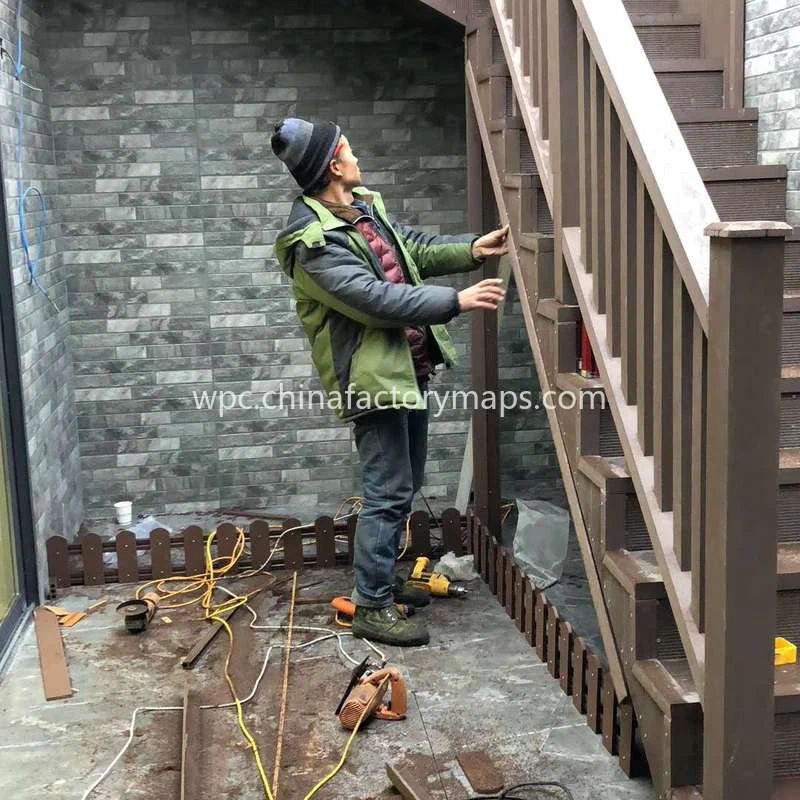
The adjustments made by manufacturers are not limited to materials. Product structure is also being reviewed. Ventilated substructures, correct spacing between boards, and suitable installation methods help manage movement caused by temperature changes. A decking system installed without proper gaps may experience issues as boards expand and contract through seasonal conditions.

Surface treatment and product construction remain important evaluation points. Some WPC decking products use capped surfaces or co-extrusion layers to improve resistance against weather exposure. These approaches can help protect appearance, but sustained UV exposure can still cause colour fading over time. Buyers often need to compare intended use, climate conditions, and expected appearance retention.

For sourcing teams, factory location is only one part of supplier evaluation. Product specifications, technical documentation, sample review, and communication about installation requirements all affect purchasing decisions. A factory able to explain temperature movement, maintenance needs, and installation limits may provide clearer support than one focused only on initial appearance.
Chinese WPC manufacturing is moving toward more detailed product positioning. Outdoor decking is increasingly separated by application, with buyers considering poolside areas, balconies, gardens, and commercial outdoor spaces as different use cases. The result is a market where suppliers compete through product fit and technical understanding rather than relying only on basic board supply.
FAQ
Q: Why does composite decking heat performance matter for buyers? A: Surface temperature affects user comfort in outdoor spaces, especially in sunny climates. Product colour, installation method, and local conditions influence heat behaviour.
Q: Does WPC decking completely avoid weather-related changes? A: No. WPC resists moisture and insects, but temperature changes can cause expansion and contraction. Proper gaps and ventilation are required during installation.
Q: Which Chinese regions are relevant for WPC decking sourcing? A: Mapped supplier clusters include Guangdong, Anhui, Shandong, Zhejiang, Shanghai, and Jiangsu. Buyers can compare factory locations with nearby export ports such as Shanghai Port, Shenzhen Port, and Qingdao Port.
Related Articles
Featured Suppliers
Verified premium suppliers on our map.
