
Composite Deck Joists for Elevated Terraces and Apartment Balconies
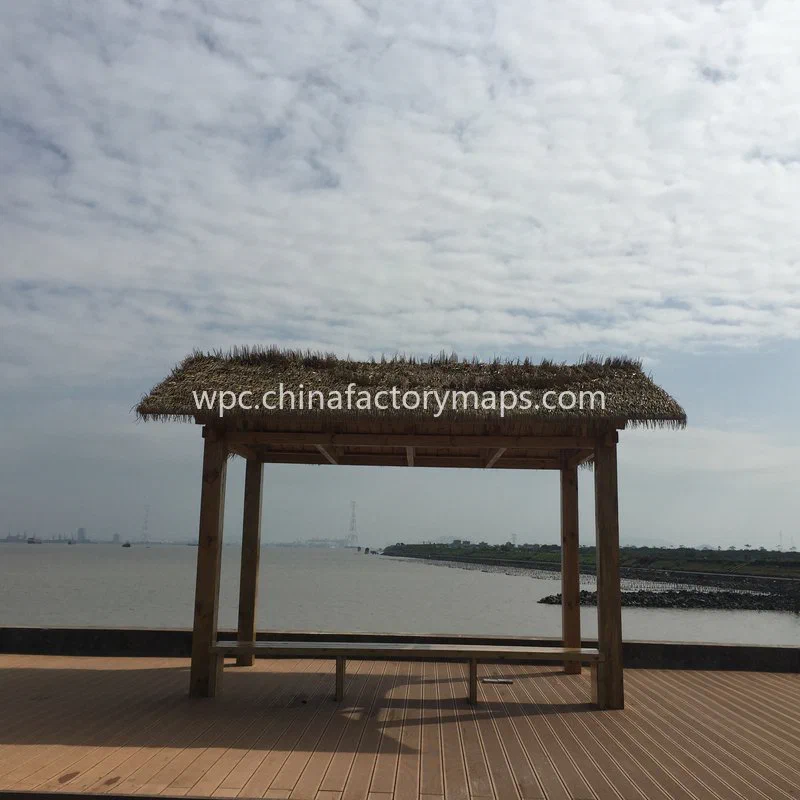
Elevated terraces and apartment balconies place different demands on a decking support system than ground-level garden installations. The joist structure must accommodate sustained foot traffic, exposure to weather, drainage requirements and the movement of composite boards as temperatures change. For overseas buyers sourcing composite deck joists and related WPC components from China, the specification should account for the building’s exposure and the installation conditions rather than relying on board appearance alone.
Structural requirements for elevated installations
Balconies and elevated terraces often have limited structural depth. This can restrict the available joist height and affect the choice of support profiles, fixing methods and finished floor level. Buyers should establish the required joist material, cross-section, span capacity and fixing arrangement before comparing factory quotations. The supporting system must be compatible with the intended deck board dimensions and the loads specified by the project engineer.
Heavy foot traffic adds another consideration. Residential apartment balconies may experience regular pedestrian use, while shared terraces can carry furniture, planters and concentrated loads. Joist spacing should therefore follow the decking manufacturer’s tested installation guidance and the project’s structural requirements. Excessive spacing can contribute to board deflection, movement and premature fixing failure. A supplier should be able to provide technical drawings and dimensional tolerances for the proposed support profile. Where the decking system uses aluminium or treated timber substructures rather than WPC joists, buyers should confirm compatibility rather than assume that all components are interchangeable.
Drainage and ventilation matter just as much. Elevated decks need a substructure that allows water to escape instead of trapping moisture beneath the boards. The installation should maintain suitable ventilation and clearance from the underlying waterproofing layer. Composite material resists moisture and insect damage, but it is not indestructible. Poor drainage, unsuitable fixings or prolonged contact with standing water can still cause problems elsewhere in the assembly.
Matching specifications to climate and sourcing regions
Coastal apartment developments require particular attention to corrosion. Salt-laden air can affect metal brackets, screws and connectors even when the composite components themselves have good moisture resistance. Buyers should request details of the proposed fastener material, coating and compatibility with the joist profile. For exposed coastal projects, corrosion-resistant metal components are an important specification point. The same applies to terraces close to swimming pools, where cleaning chemicals and frequent wetting may place additional demands on the fixing system.

Freeze-thaw exposure changes the assessment. In colder locations, water entering gaps or collecting around connections can freeze and expand. The support layout should allow drainage, while the decking system must accommodate temperature-related expansion and contraction. Suitable end gaps, perimeter clearances and movement allowances are essential. High-UV locations require separate attention because sustained sunlight can fade composite colours over time. Buyers should request weathering information for the intended colour and surface finish, rather than treating UV resistance as a guarantee against fading.
China’s mapped WPC supplier clusters offer several regional starting points. Guangdong has the largest listed group, with suppliers in Foshan, Guangzhou and Zhuhai. Its coastal manufacturing geography makes the province relevant when comparing suppliers for exposed outdoor applications. Anhui, including Xuancheng, Suzhou and Guangde, provides another sourcing cluster. Shandong’s listed suppliers are concentrated in locations including Zibo, Linyi and Qingdao, while Zhejiang includes Huzhou, Jiaxing and Hangzhou. These regions are useful starting points for supplier enquiries, but geographic concentration alone does not establish technical suitability.

The directory also plots suppliers in Shanghai, Jiangsu and other mapped manufacturing areas against major export ports. Buyers can compare factory locations with access to Shanghai Port, Ningbo-Zhoushan Port, Shenzhen Port, Qingdao Port and Guangzhou Port, among other covered gateways. Port proximity can influence inland transport arrangements and export logistics, but it does not establish product quality or shipping cost. Before shortlisting a factory, request section drawings, material composition, installation specifications, available test documentation and sample components. Confirm that the proposed joist system has been designed for the actual terrace conditions and that its expansion gaps, ventilation requirements and fixing details are documented.
FAQ
Q: Can WPC joists support elevated apartment balconies?
A: Suitability depends on the product’s structural properties, installation design and project loads. Buyers should obtain technical data and engineering approval before specifying WPC joists for elevated applications.
Q: What should buyers check for coastal terrace installations?
A: Check corrosion resistance of screws, brackets and connectors, alongside drainage and ventilation provisions. Salt exposure can affect metal components even when the composite material resists moisture.
Q: Which Chinese regions can buyers explore for WPC suppliers?
A: Guangdong, Anhui, Shandong and Zhejiang have established mapped supplier clusters on the directory. Shanghai and Jiangsu also have listed suppliers, with locations shown in relation to export ports.
Related Articles
Featured Suppliers
Verified premium suppliers on our map.
