Composite Deck Lighting for Open-Air Dining Spaces
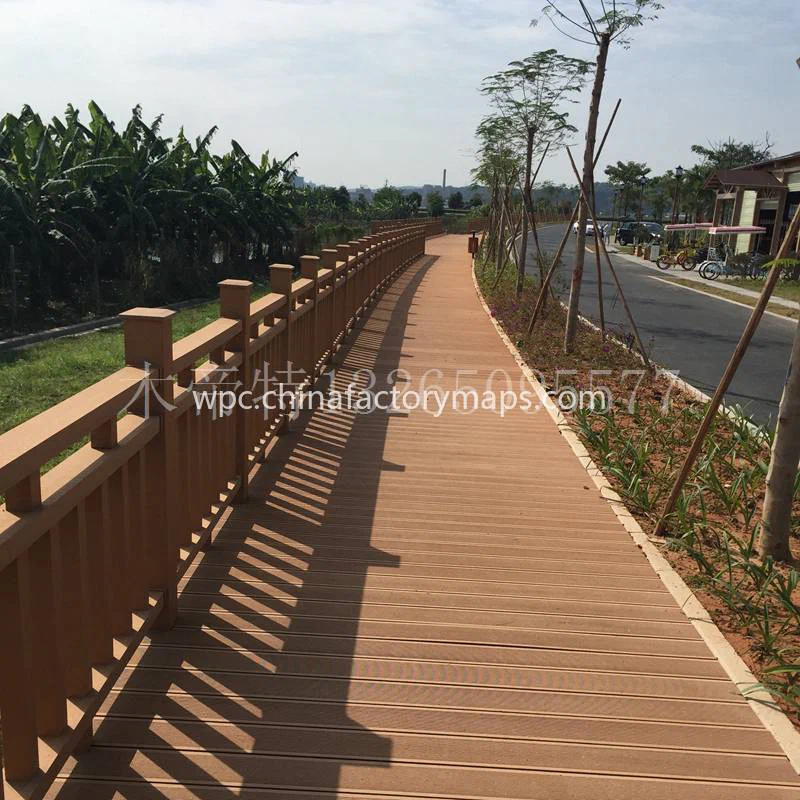
Open-air dining spaces frequently feature composite decking as part of their flooring design, making lighting integration a critical consideration for both aesthetics and functionality. This article examines the specific demands of such environments, the relevant material specifications, and how regional expertise among Chinese manufacturers can cater to these needs.
Material and Environmental Considerations

Composite decking in open-air dining spaces must withstand high levels of foot traffic, exposure to weather extremes, and potential spills of food and drinks. Lighting systems embedded in or mounted on composite decking should be moisture-resistant and durable under these conditions. Coastal locations, for example, add the challenge of salt exposure, which can accelerate corrosion in poorly coated lighting fixtures. Temperature fluctuations in freeze-thaw climates may also impact both the decking and the lighting systems, requiring buyers to look for materials with minimal expansion and contraction properties. UV exposure in sunny climates can fade colors over time, making UV-resistant coatings a recommended specification for both decking and lighting components.

Regional Expertise and Applications
Among the Chinese provinces mapped on this directory, Guangdong stands out for its long-standing experience in manufacturing outdoor composite decking suitable for coastal and high-humidity locations. Factories in cities like Foshan and Guangzhou have a history of supplying to projects near Shenzhen Port and Guangzhou Port, which are gateways for exports to tropical and subtropical markets. Shandong, with its proximity to Qingdao Port and Rizhao Port, offers expertise in composite materials adapted to freeze-thaw conditions, often used for hospitality projects in colder regions. Zhejiang, including Huzhou and Jiaxing, is known for co-extrusion decking manufacturers, providing products with enhanced UV resistance—ideal for dining spaces in high-sunlight environments.
Lighting Integration and Design

Composite deck lighting solutions for dining spaces should prioritize safety and ambiance. Anti-slip decking surfaces can be paired with recessed lighting to reduce tripping risks without compromising the design. LED lights are a common choice due to their energy efficiency and durability, but buyers should ensure that wiring systems are protected against moisture intrusion. Decking boards with pre-drilled channels for lighting cables can simplify installation. Manufacturers in Anhui, such as those near Xuancheng and Guangde, cater to bespoke designs that facilitate lighting integration, making them a viable option for custom projects requiring detailed specifications.
Port Proximity and Logistics
Shipping logistics play a critical role in sourcing composite decking and lighting systems. Factories located near major export ports, such as Shanghai Port and Ningbo-Zhoushan Port, offer streamlined transport options for bulk orders. Buyers aiming for shorter lead times should consider suppliers in Jiangsu or Shanghai, where proximity to ports reduces transit overhead. For larger hospitality projects, coordinating shipments of decking and lighting systems from the same region can minimize logistical complexities and ensure consistency in material quality.

Maintenance and Long-Term Performance
Dining spaces demand materials that are easy to clean and maintain, given frequent contact with food residue and outdoor debris. Composite decking is often marketed as low-maintenance, but buyers should account for the specifics of their lighting systems as well. Fixtures should allow for straightforward bulb replacement and wiring checks without disrupting the deck structure. Regular cleaning schedules can help preserve the anti-slip texture of decking and the brightness of lighting fixtures. Factories specializing in weather-resistant and durable composite materials, such as those in Zhejiang and Shandong, often offer guidance on maintenance protocols.
FAQ
Q: What type of lighting is best for composite decking in dining spaces?
A: LED lighting is commonly used due to its energy efficiency and durability. Ensure the fixtures are moisture-resistant and UV-protected for outdoor use.
Q: How can I prevent moisture damage to composite deck lighting?
A: Opt for waterproof lighting fixtures and ensure wiring channels are properly sealed. Manufacturers often provide installation guidance for these systems.
Featured Suppliers
Verified premium suppliers on our map.