
Composite Decking Cleaning for Homes in Wet Outdoor Climates
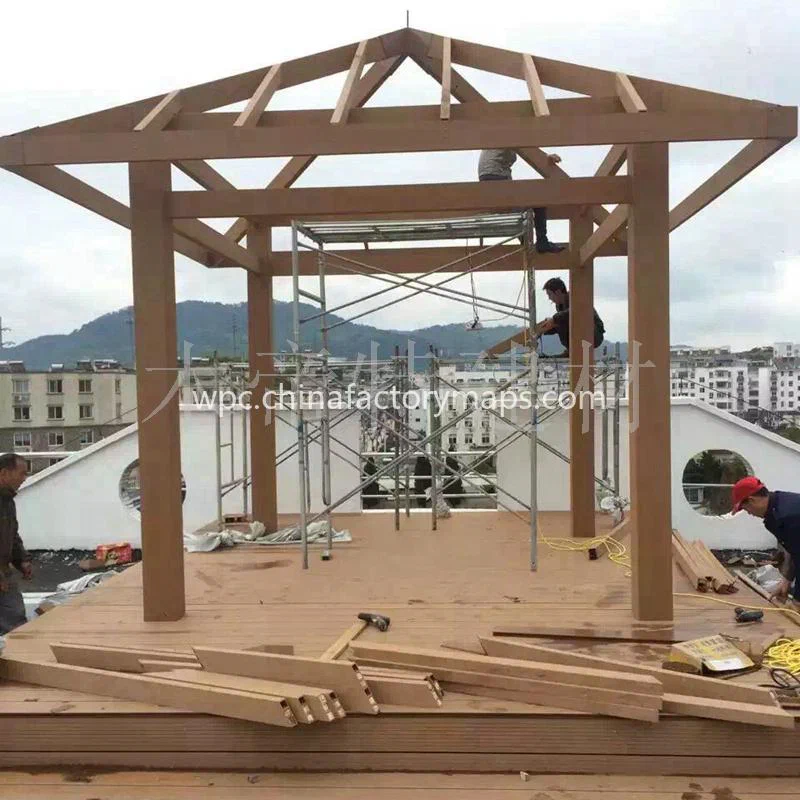
Composite decking cleaning requirements vary sharply by climate, and outdoor projects in wet regions place different demands on deck boards than dry inland applications. This page examines how moisture, salt exposure, temperature changes, traffic, and sunlight affect WPC decking selection for residential outdoor spaces.
Conditions that shape decking specifications

Homes near coastlines often expose decking to salt air, standing moisture, and repeated wet-dry cycles. A buyer evaluating WPC suppliers should ask about surface protection, drainage design, and installation requirements rather than focusing only on appearance. WPC boards resist moisture and insects, but they still need correct installation and regular care.

For wet climates, the supporting structure matters as much as the board itself. Ventilated substructures help reduce trapped moisture, while proper gaps allow the boards to expand and contract with temperature changes. Composite decking cleaning routines are easier when dirt and water can move away from the surface instead of collecting between boards.
Regional production and project requirements
China’s mapped WPC production clusters include Guangdong, Anhui, Shandong, Zhejiang, Shanghai, and Jiangsu. Suppliers in Guangdong, including production areas around Foshan, Guangzhou, and Zhuhai, are positioned near major export routes and commonly serve outdoor building applications where humidity and coastal conditions are considered during product selection.

Projects in colder areas require different questions during sourcing. Freeze-thaw cycles can affect decking performance, especially when water enters small gaps and repeatedly freezes. Buyers should review board structure, installation guidance, and recommended substructure spacing for climates with seasonal temperature changes.
Surface use, cleaning, and outdoor exposure
Heavy foot traffic around gardens, balconies, and pool areas increases the importance of wear resistance and slip control. Poolside and shaded locations may experience more algae or surface buildup, making cleaning procedures part of the product decision. High UV exposure can also change colour over time, so buyers should confirm how surface finishes are designed for long periods of sunlight.
Factories supplying composite decking boards for export projects often need to match product specifications with the intended environment. A coastal residential deck, a high-use walkway, and a private garden area may require different surface textures, colours, and installation methods even when the base material is similar.
Using location data for sourcing decisions
A map-based supplier directory helps buyers compare factory locations with logistics routes. Production clusters connected to ports such as Shenzhen Port, Shanghai Port, Ningbo-Zhoushan Port, Qingdao Port, Guangzhou Port, and other listed export ports can be assessed according to project needs and shipping considerations.
The right sourcing choice depends on more than factory distance. Product details, climate suitability, installation instructions, and long-term maintenance expectations should all be reviewed before placing an order. For outdoor decking projects, matching the board specification to the environment remains the key step.
FAQ
Q: Does WPC decking need cleaning in wet climates? A: Yes. WPC decking resists moisture but can collect dirt, organic material, and surface buildup. Regular cleaning helps maintain appearance and reduces slippery conditions.
Q: Can composite decking be installed without gaps? A: No. Composite decking needs spacing for expansion and contraction caused by temperature changes. Proper ventilation beneath the boards is also important.
Related Articles
Featured Suppliers
Verified premium suppliers on our map.
