
Composite Decking End Boards Follow Changing Factory Practices
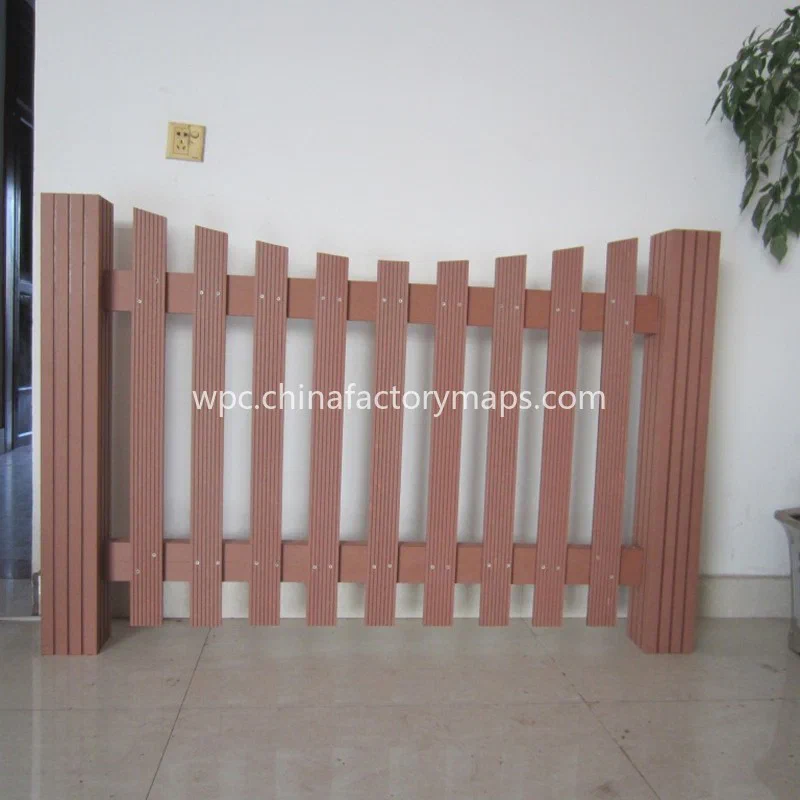
Composite decking end boards are receiving more attention among Chinese WPC manufacturers as buyers place greater focus on finishing details, installation requirements, and export-ready product formats. This page examines how factory practices around composite decking end boards are changing and how those shifts affect overseas sourcing decisions.
Factories producing WPC decking are increasingly treating end boards and finishing components as part of the overall decking system rather than as a simple accessory. This reflects a broader move toward supplying products that consider installation conditions, appearance at exposed edges, and compatibility between boards and supporting structures. Buyers reviewing suppliers on Chinafactorymaps.com can compare factory locations and their proximity to major export ports when assessing sourcing options.

The production approach varies across supplier clusters. Guangdong, Anhui, Shandong, Zhejiang, Shanghai, and Jiangsu each contain mapped WPC manufacturers with different regional supply networks. Some factories focus on broader outdoor product ranges, while others develop more specialized profiles and surface treatments. The change is visible in the way suppliers present complete decking solutions, including edge treatments, installation guidance, and supporting components.

End board requirements are also connected to the technical behavior of WPC materials. Wood-plastic composite expands and contracts with temperature changes, so correct installation depends on planned spacing and a ventilated substructure. End treatments need to account for movement rather than sealing the material completely. WPC can resist moisture exposure and insect damage, but it is not indestructible, and sustained UV exposure can cause colour changes over time.

Export buyers are paying closer attention to factory knowledge of installation conditions in different climates. Suppliers that understand regional requirements can provide clearer information about spacing, fastening methods, substructure design, and product limitations. This matters because a decking profile that performs well in one environment may require different installation practices elsewhere. Factory selection is therefore moving beyond product appearance and toward technical communication.
The sourcing pattern for WPC decking continues to include both inland and coastal manufacturing locations. Access to ports such as Shanghai Port, Ningbo-Zhoushan Port, Shenzhen Port, Qingdao Port, Guangzhou Port, and other listed export gateways can influence logistics planning. A map-based supplier directory helps buyers review geographic options before contacting manufacturers, especially when shipping routes, factory location, and product specialization need to be considered together.
FAQ
Q: Why are composite decking end boards receiving more attention from buyers? A: Buyers are looking more closely at complete decking systems, including edge finishing and installation requirements. End boards affect appearance and how exposed areas are handled during installation.
Q: What installation factors should buyers confirm with WPC decking suppliers? A: Buyers should confirm requirements for spacing, ventilation, and substructure design. WPC materials expand and contract with temperature changes, so installation details are important.
Featured Suppliers
Verified premium suppliers on our map.
