Composite Decking for Humid Climates: Material Considerations
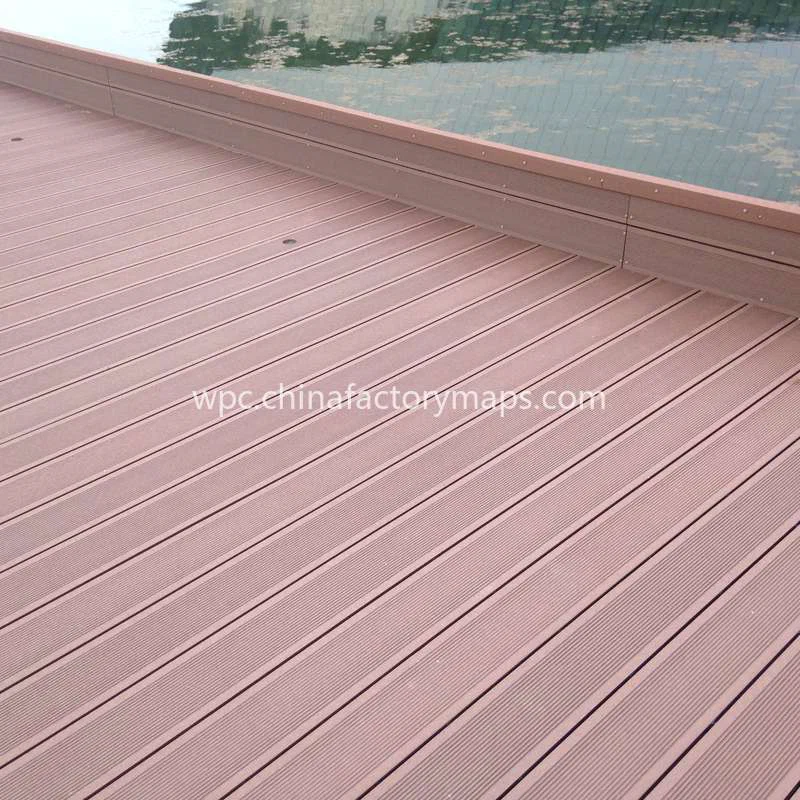
For outdoor projects in humid climates, composite decking offers notable advantages, but the material must meet specific performance criteria to withstand the environmental challenges. Key considerations include resistance to moisture, UV exposure, and surface stability under fluctuating temperatures. Buyers sourcing through manufacturers in China should evaluate regional expertise alongside product specifications.
Material Requirements for Humid Climates
In consistently humid regions, decking materials face prolonged exposure to moisture. This can lead to warping, mold growth, and structural degradation in traditional wood. Wood-plastic composite (WPC) decking counters these issues by combining plastic’s water resistance with wood fibers for added strength. However, even WPC products vary in their performance, especially in coastal or tropical settings. Buyers should prioritize products tested for high moisture tolerance, with appropriate additives to resist fungal growth.
UV radiation is another critical factor. Intense sun exposure can fade colors and degrade material integrity over time. Decking with UV inhibitors or surface protection—such as co-extrusion layers—offers better longevity in such conditions. Manufacturers in Zhejiang and Guangdong provinces frequently produce co-extruded composite decking, catering to export markets requiring enhanced UV resistance.
Coastal Applications and Salt Exposure
Decking installed near coastlines encounters additional stress from salt-laden air, which can accelerate corrosion in fasteners and weaken some materials. While WPC itself is not prone to rust, the hardware used for installation must be equally resistant to such conditions. Stainless steel or coated screws are recommended. For these applications, buyers should inquire about the supplier’s experience with coastal projects, as factories near ports like Ningbo-Zhoushan or Guangzhou are likely to have tailored solutions for this environment.
Temperature fluctuations in humid climates also demand attention. Composite materials expand and contract with changing conditions, necessitating proper gapping during installation to prevent warping or buckling. Factories in Jiangsu and Shanghai often work with overseas buyers on specifications for decking used in climates with freeze-thaw cycles or extreme humidity variations.
Durability Under Heavy Foot Traffic

Public spaces, resorts, and commercial projects in humid regions often require decking that can endure heavy use without significant wear. Buyers should specify products with a higher density core or additional surface reinforcement, such as scratch-resistant finishes. Anhui province suppliers, particularly those in Xuancheng, commonly produce decking for high-traffic applications, with options for both solid and hollow core boards.
Aesthetic and Design Considerations
The visual aspect of decking in humid climates is not solely about appearance; it also has functional implications. Light-colored boards reflect more sunlight and reduce heat buildup, making surfaces more comfortable for bare feet in hot, humid weather. This is particularly relevant for poolside decking and outdoor leisure areas. Suppliers in Shandong province, including those near Qingdao, often produce lighter-toned decking optimized for such settings.
Sustainability and Eco-Friendly Options

For buyers prioritizing sustainable materials, it is important to verify the production process and raw material sourcing. Many Chinese factories, particularly those in Guangdong, offer eco-friendly WPC options made from recycled wood fibers and plastics. These products reduce landfill waste while maintaining the durability required for challenging climates.
Cost Considerations and Bulk Orders
When sourcing the cheapest composite decking material for humid climates, buyers must balance cost with performance. While lower-priced options may meet budget constraints, they may lack critical features like UV inhibitors or anti-slip surfaces. Factories in regions like Foshan and Linyi often cater to large-scale projects and can provide competitive pricing for bulk orders, but clear communication of specific performance needs is essential to avoid underperforming materials.

FAQ
Q: Can composite decking be used in areas with high humidity and frequent rainfall?
A: Yes, but ensure the product is specifically designed for high moisture resistance, including features like anti-mold additives and proper substructure ventilation.
Q: How can I ensure the composite decking I purchase is UV-resistant?
A: Look for products with co-extrusion technology or UV inhibitors, and confirm with the supplier that the decking has been tested for long-term sun exposure.
Related Articles
Featured Suppliers
Verified premium suppliers on our map.