
Composite Decking Joists for Coastal Homes and Humid Climates
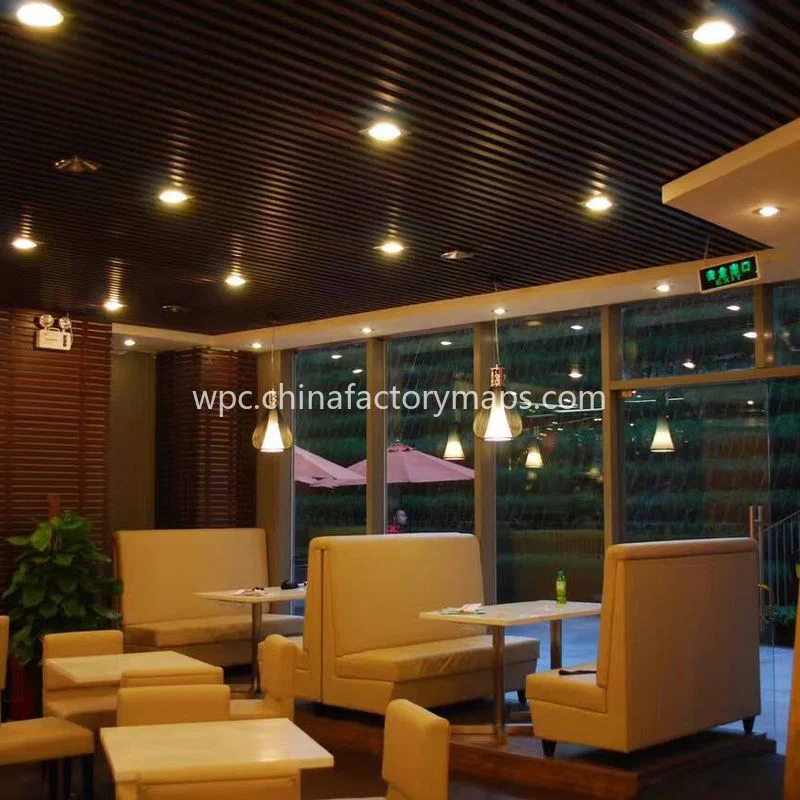
Coastal homes and humid-climate properties place specific demands on deck framing, fasteners and surface boards. Buyers sourcing composite decking joists and related WPC components from China need to assess salt exposure, drainage, temperature changes and expected foot traffic before comparing suppliers. Factory location also matters when estimating export routes and coordinating bulk shipments.
Specify the framing for the exposure
Salt-laden air accelerates corrosion in susceptible metal components, particularly around exposed fasteners and connections. A deck near the shoreline needs a framing system with appropriate corrosion resistance, including compatible screws, brackets and fixings. Buyers should request material specifications for the joists and connection hardware rather than assume that a composite frame eliminates corrosion risks. If the design uses metal substructure components, their protective finish and suitability for marine exposure deserve separate review.

Humidity creates another concern. Water can collect beneath boards where airflow is restricted, encouraging dirt accumulation and prolonging damp conditions around the frame. WPC resists moisture better than untreated timber, but it is not immune to deterioration or installation problems. The proposed assembly should provide drainage and ventilation, with clear guidance on ground clearance, support spacing and access for inspection.
Match the specification to local conditions

Temperature variation affects both the boards and the supporting system. WPC expands and contracts as temperatures change, so installation drawings must state the required gaps at board ends, along edges and around fixed structures. Buyers should obtain the manufacturer’s recommended joist spacing and maximum span for the selected board profile, rather than applying timber-decking assumptions. These details become especially important on large terraces exposed to direct sun.

Cold coastal sites introduce freeze-thaw cycles. Standing water can freeze in gaps and around connections, while repeated temperature swings place additional demands on the assembly. Ask suppliers for application guidance covering cold-weather installation, drainage and the intended operating conditions. In high-UV locations, surface colour may fade with prolonged exposure, and dark boards can become hot underfoot. Product samples, published weathering information and documented slip-performance data help buyers assess suitability for exposed walkways, poolside areas and heavily used residential decks.
Foot traffic also affects the specification. Holiday homes, shared terraces and coastal rental properties may experience frequent movement, furniture loading and repeated cleaning. The buyer should confirm the intended loading assumptions, joist span, support layout and fastening method with the supplier or project engineer. Where boards and joists come from different manufacturers, written confirmation of system compatibility reduces the risk of mismatched dimensions or unsuitable fixings.
Compare Chinese supplier regions and export routes

Chinafactorymaps.com plots WPC factories across Guangdong, Anhui, Shandong, Zhejiang, Shanghai and Jiangsu, allowing buyers to compare mapped suppliers by location and proximity to export ports. Guangdong has the largest listed cluster, including Foshan, Guangzhou and Zhuhai. Buyers serving humid coastal markets can begin by checking this cluster alongside port access through Shenzhen Port and Guangzhou Port, while treating location as a screening factor rather than proof of product performance.
Anhui’s mapped suppliers include Xuancheng, Suzhou and Guangde, while Shandong includes Zibo, Linyi and Qingdao. Zhejiang’s cluster covers Huzhou, Jiaxing and Hangzhou; Shanghai and Jiangsu, including Nanjing, provide further points of comparison. Ningbo-Zhoushan Port, Qingdao Port and Shanghai Port may be relevant export gateways depending on the factory’s location and shipping arrangements. The shortest geographic route does not automatically produce the lowest delivered cost, so buyers should confirm inland transport, consolidation options and shipment terms. Before requesting quotations, send shortlisted factories the same project conditions and technical checklist. This makes comparisons more useful than relying on location or a general claim of weather resistance alone.
FAQ
Q: Are WPC joists suitable for coastal decking?
A: They can be suitable when the product is specified for the exposure and installed with adequate drainage, ventilation and movement gaps. Fasteners and metal connectors also need appropriate corrosion resistance.
Q: What should buyers compare when sourcing WPC decking components from China?
A: Compare technical specifications, permitted spans, fastening compatibility, installation guidance and documented weathering performance. Factory location and distance to export ports help assess logistics but do not establish product quality.
Related Articles
Featured Suppliers
Verified premium suppliers on our map.
