
Composite Decking Material Options: Profiles, Cores and Finishes
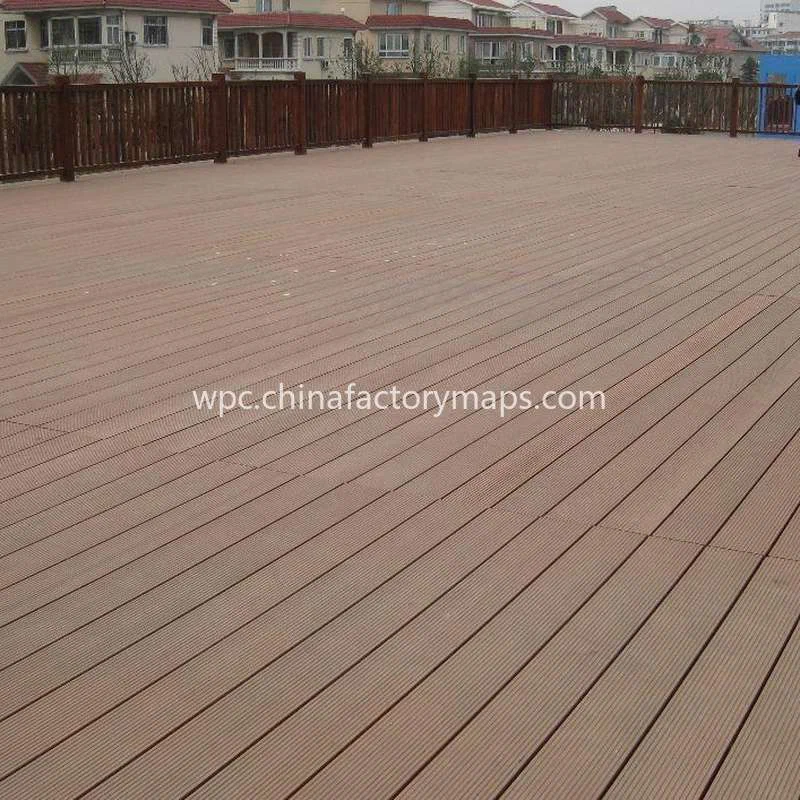
Composite decking material options vary mainly by core structure, surface layer, and manufacturing method. For buyers comparing WPC products, the visible board appearance is only part of the specification. Internal composition affects weight, movement, fastening requirements, moisture response, and suitability for different outdoor applications.
A common WPC decking board uses wood fibres or powder combined with polymers and additives. Hollow profiles reduce material use and weight, making them easier to handle, but they require careful installation because unsupported areas can be more sensitive to impact. Solid boards provide more mass and can suit higher-load areas, although they are heavier and may require more attention to substructure planning. Both types expand and contract with temperature changes, so installers need correct spacing between boards and adequate ventilation below the deck.
The core profile also influences where a board fits best. Hollow boards are often selected for residential balconies, garden paths, and projects where reduced weight is useful. Solid profiles are more commonly considered for areas with heavier foot traffic or where a thicker appearance is preferred. Neither profile removes the need for proper installation. A ventilated joist system, suitable fixing method, and allowance for thermal movement remain necessary for long-term performance.
Surface finishes create another distinction between products. Traditional WPC boards have a colour layer formed through the extrusion process, while capped composite decking adds a protective polymer layer around the board surface. The cap can improve resistance to staining and moisture exposure, but it does not make the material immune to weathering. Sustained ultraviolet exposure can still affect colour over time, and surface performance depends on the quality of materials and production controls.
Texture and appearance should be assessed alongside technical properties. Wood-grain embossing can provide a more natural look, while brushed or textured surfaces are used to improve grip in outdoor settings. For areas near pools or frequently exposed to rain, buyers often compare anti-slip characteristics and drainage design. A textured surface may support safer use, but dirt retention and cleaning requirements can vary between finishes.

Colour choice involves both design and performance considerations. Darker boards can absorb more heat under direct sunlight, which may influence surface temperature during warm weather. Lighter colours may show less heat gain but can have different appearance changes as the product ages. Buyers sourcing from manufacturing regions such as Guangdong, Anhui, Shandong, Zhejiang, Shanghai, and Jiangsu often compare available finishes and production methods rather than selecting only by colour sample.

The supply chain location can also affect sourcing decisions for overseas buyers. Factories mapped in Guangdong, including areas such as Foshan, Guangzhou, and Zhuhai, are positioned near export routes including Shenzhen Port and Guangzhou Port. Suppliers in eastern regions may connect with ports such as Shanghai Port, Ningbo-Zhoushan Port, and Qingdao Port. Distance to port, product specifications, and communication requirements are practical factors when reviewing composite deck suppliers.
For procurement teams, the most suitable board depends on the intended installation environment rather than a single material feature. Composite decking material options should be compared through core design, cap technology, surface texture, colour stability, and installation requirements. WPC can resist moisture and insects better than untreated wood, but it is not indestructible and still requires correct design, installation, and periodic care.
FAQ
Q: What is the difference between hollow and solid WPC decking boards?
A: Hollow boards use internal cavities to reduce weight, while solid boards contain more material and provide greater mass. The choice depends on installation conditions, handling needs, and expected use.
Q: Does capped composite decking prevent all weather damage?
A: Capped decking can improve surface protection against moisture and staining, but it can still experience colour changes from long-term UV exposure and requires proper installation.
Q: Why is spacing important when installing WPC decking?
A: WPC expands and contracts with temperature changes, so correct gaps and ventilation help manage movement and reduce installation problems.
Related Articles
Featured Suppliers
Verified premium suppliers on our map.
