Composite Lumber for Decks in Extreme Weather Conditions
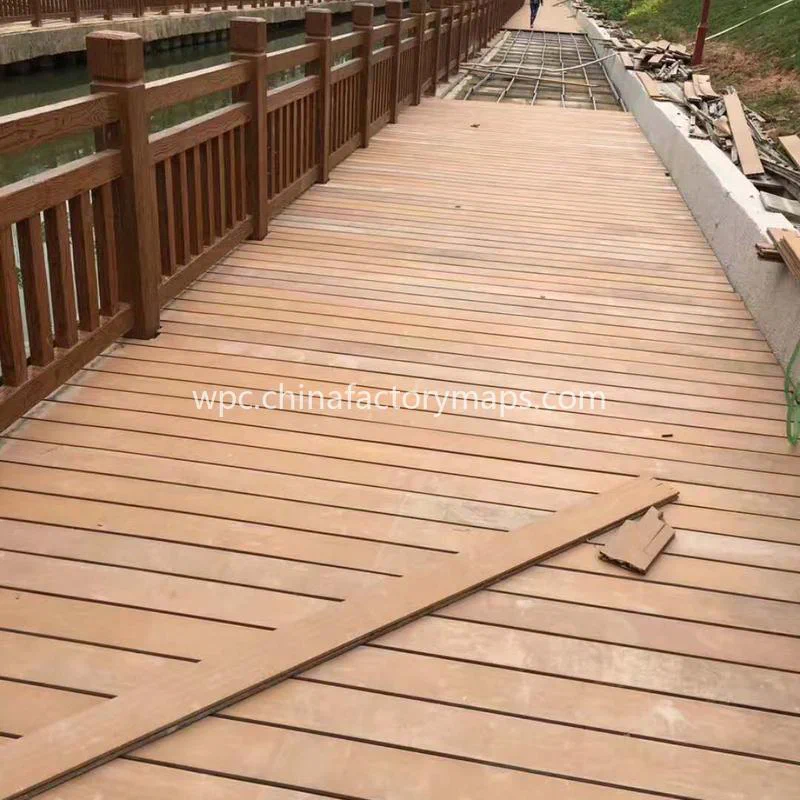
Weather extremes place specific demands on composite lumber for decks, influencing the choice of materials and manufacturing processes. Factors like coastal salt exposure, freeze-thaw cycles, heavy foot traffic, and intense UV radiation all affect performance, durability, and appearance. For buyers sourcing from Chinese factories, understanding regional specializations and material characteristics is key to identifying the right supplier.
Coastal applications often require composite lumber that resists salt corrosion and moisture while maintaining structural integrity. Factories in Guangdong, near Shenzhen and Guangzhou ports, frequently serve these projects due to their proximity to maritime climates and established expertise in producing moisture-resistant WPC. Buyers should prioritize materials with high-density polyethylene (HDPE) blends and ensure adequate gapping and ventilation in the product design to mitigate expansion and contraction caused by temperature fluctuations. Anti-slip surfaces are also crucial for decks in humid environments to prevent hazards during wet conditions.

In regions with harsh winters, freeze-thaw cycles can cause expansion and cracking in poorly formulated composites. Factories in Shandong and Anhui provinces, particularly those near Qingdao and Lianyungang ports, are positioned to supply WPC products tailored for cold climates. Their offerings often emphasize durability and stability under shifting temperatures and include additives to enhance freeze resistance. Buyers targeting these regions should inquire about material testing and certifications for temperature tolerance and structural resilience.

High UV exposure is another concern for outdoor decks, especially in sun-drenched areas. Manufacturers in Zhejiang and Shanghai, with access to Ningbo-Zhoushan and Shanghai ports, produce products with UV inhibitors to reduce colour fading and surface degradation. For projects where aesthetics are critical, such as poolside or garden decking, buyers should request co-extruded decking options with capped surfaces. This provides added protection against UV, ensuring long-lasting colour retention and resistance to cracking or brittleness over time.

FAQ
Q: How does composite lumber perform in areas with high UV exposure? A: Composite lumber with UV inhibitors and co-extruded capped surfaces offers improved protection against fading and surface degradation in sunny climates.
Q: What factors should buyers consider for decks in coastal environments? A: Buyers should prioritize materials resistant to moisture and salt corrosion, with good anti-slip properties and designs that accommodate thermal expansion.
Q: Are Chinese factories equipped to produce WPC for cold climates? A: Yes, factories in regions such as Shandong and Anhui often specialize in durable WPC products that withstand freeze-thaw cycles and temperature fluctuations.
Related Articles
Featured Suppliers
Verified premium suppliers on our map.