Composite or Wood Decking? Key Differences in Material Construction
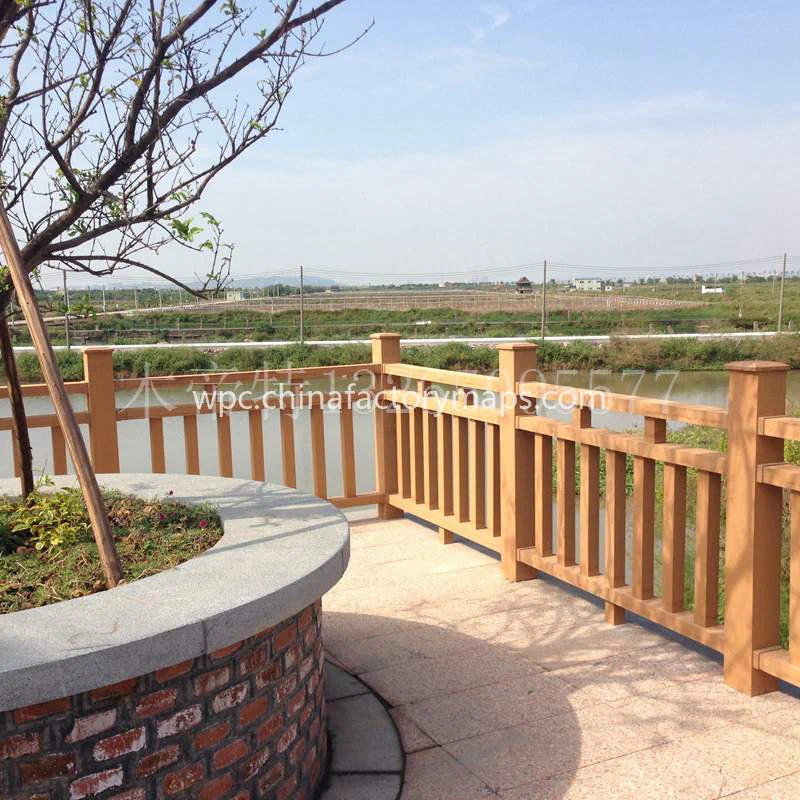
When selecting between composite or wood decking, understanding the differences in material construction can clarify the decision-making process. Each option offers distinct advantages and limitations, making them suitable for different applications based on environmental considerations, aesthetics, durability, and maintenance needs.
Material Composition and Performance
Wood decking is typically made from natural hardwoods such as cedar, teak, or pressure-treated pine. As a natural material, wood offers a timeless aesthetic with unique grain patterns and warmth. However, it is porous and prone to absorbing moisture, which can lead to warping, cracking, or rot, especially in regions with high humidity or frequent rainfall. Wood also requires regular maintenance, including staining, sealing, and occasional replacement of damaged boards.

Composite decking, on the other hand, is engineered from a blend of wood fibers and thermoplastics, often incorporating recycled materials. This composition makes it highly resistant to moisture and insect damage. While it does not rot like wood, composite decking can expand or contract with temperature fluctuations, necessitating proper gapping during installation. UV exposure may cause some fading over time, and darker colors may absorb more heat, affecting comfort underfoot in sunny conditions.

Installation Considerations
The installation process differs significantly between the two materials. Wood decking generally relies on nails or screws directly into the joists. Fastening composite decking requires specific screws or hidden fasteners to accommodate thermal movement and prevent splitting. Composite boards also require a ventilated substructure for long-term performance, as trapped moisture can compromise even moisture-resistant material. Both materials benefit from accurate joist spacing to maintain structural integrity, but composite decking demands stricter compliance with manufacturer guidelines.
Maintenance and Longevity
Wood decking is maintenance-intensive. To preserve its appearance and resistance to moisture, annual staining and sealing are often necessary. Damage from insects, splinters, and weathering may further increase upkeep costs over time. Composite decking requires less routine maintenance; it can typically be cleaned with soap and water or a mild pressure wash. However, it is not entirely maintenance-free—monitoring for stains or scratches and addressing them promptly is recommended. Composite decking often outlasts wood in terms of lifespan, making it a more durable long-term investment.
Applications and Aesthetic Preferences
When choosing between composite or wood decking, application context matters. Wood may be preferred for projects emphasizing rustic or traditional aesthetics, such as garden decks or outdoor furniture. Composite decking, with its uniform appearance and wide range of colors and finishes, is well-suited to modern designs, poolside decking, or high-traffic areas. Co-extrusion technologies in composite manufacturing have advanced, offering capped boards resistant to staining and UV fading for premium projects.

Cost and Environmental Impact
Wood decking generally has a lower initial cost but could incur higher long-term maintenance expenses. Composite decking may require a larger upfront investment, but its durability and reduced maintenance often balance out over time. In terms of sustainability, natural wood is biodegradable, but the environmental impact depends on forestry practices. Composite decking, often made from recycled materials, reduces landfill waste, though its production is energy-intensive. Buyers prioritizing eco-friendly options should verify the sourcing and manufacturing practices of suppliers.
FAQ
Q: Does composite decking expand or contract with temperature changes? A: Yes, composite decking is affected by thermal movement. Proper gapping and a ventilated substructure are essential during installation.
Q: Is wood decking cheaper than composite decking? A: Wood decking usually has a lower initial cost, but long-term maintenance requirements may make composite decking more cost-effective over time.
Related Articles
Featured Suppliers
Verified premium suppliers on our map.