
Composite vs Aluminum Decking for Commercial Rooftop Projects
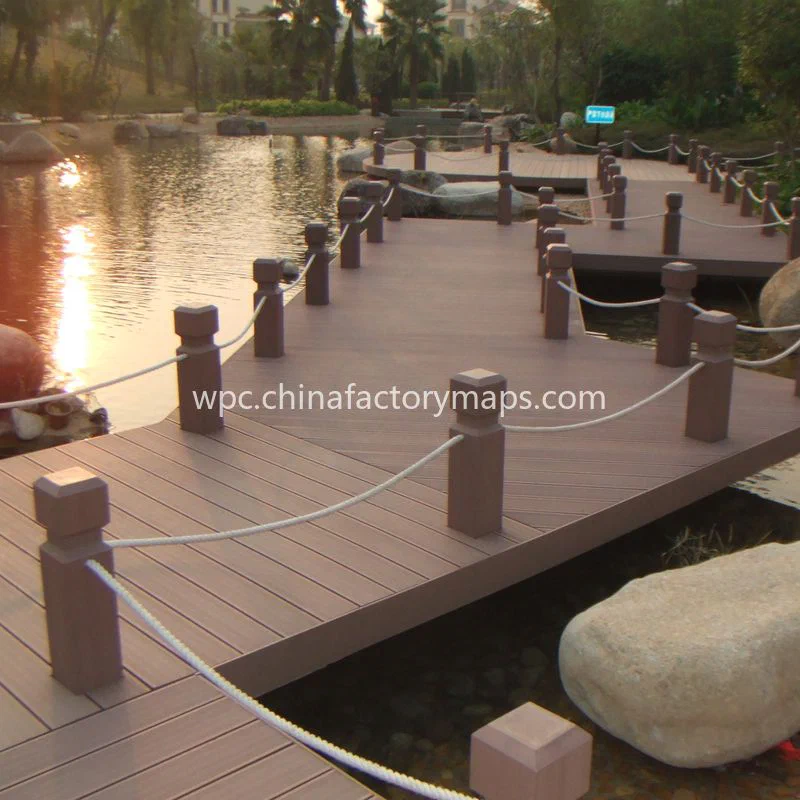
Commercial rooftop decking is specified against a different set of conditions from residential garden or patio installations. Exposure to wind, standing water, coastal salt, intense UV and concentrated pedestrian traffic all affect material selection and installation requirements. For buyers comparing composite and aluminum decking, the decision should start with the building’s operating conditions, structural limits and maintenance plan.
Rooftop conditions and material selection
A commercial rooftop is an exposed environment. Decking may sit above a waterproof membrane, experience substantial temperature changes and receive regular foot traffic from building occupants, hotel guests or maintenance personnel. The supporting structure also has to accommodate the decking system without exceeding the roof’s permitted load. These requirements make the distinction between composite vs aluminum more practical than aesthetic. Material weight, thermal movement, surface temperature, drainage and fixing methods all need to be considered together.

WPC decking combines wood fibres or wood flour with thermoplastics and additives. It provides a board surface with a wood-like appearance and generally offers better resistance to moisture and insect damage than untreated timber. However, it is not immune to prolonged water exposure, mechanical damage or UV degradation. Colour can fade under sustained sunlight, particularly on exposed rooftops with limited shade. Aluminum decking offers a different performance profile. It is non-absorbent, dimensionally stable in many applications and does not suffer from wood-fibre deterioration. Its surface can become hot under direct sunlight, however, and protective coatings may require inspection where abrasion or salt exposure is significant.
For coastal projects, salt exposure deserves particular attention. Aluminum does not rust like ordinary carbon steel, but unsuitable alloys, exposed cut edges, damaged coatings and incompatible fasteners can still create corrosion problems. Buyers should request the proposed alloy grade, coating specification and details of galvanic isolation between dissimilar metals. WPC avoids metal corrosion at the board level, but its clips, screws, joists and other supporting components remain vulnerable to the marine environment. A composite board specification without a corresponding substructure specification is incomplete.
Performance specifications for exposed roofs

Temperature movement is another major difference. WPC boards expand and contract as temperatures change. Installation drawings should therefore identify the required end gaps, side clearances, perimeter allowances and fixing arrangement. Excessive restraint can cause boards to buckle or place stress on clips. Aluminum also experiences thermal expansion, although its movement characteristics and connection details differ. Long rooftop runs need engineered allowances at joints and transitions. Buyers should request installation guidance covering the actual board dimensions, expected temperature range and proposed support spacing rather than relying on a generic decking detail.
Freeze-thaw exposure changes the specification further. In regions with cold winters, water trapped around joints or within poorly drained details can create problems for the supporting assembly. WPC itself should be assessed for water absorption, dimensional stability and performance under repeated temperature cycling. The roof design needs positive drainage, while the substructure must remain ventilated. Aluminum avoids moisture absorption in the decking material, but ice formation can still make either surface hazardous. Slip resistance should be evaluated under wet conditions, with attention to surface texture, drainage channels and the intended footwear environment.
Heavy foot traffic calls for more than a general statement about board strength. Buyers should request test data for bending performance, impact resistance, load capacity and the recommended joist spacing. Commercial rooftop restaurants, shared terraces and access routes may experience concentrated loads around furniture, planters and service equipment. These loads need to be considered separately from ordinary pedestrian loading. Aluminum systems can provide engineered support for demanding applications, but performance depends on profile design, alloy and connection details. WPC systems likewise vary considerably in board density, internal structure and support requirements. Neither material should be selected from appearance samples alone.
Sourcing regions and supplier evaluation in China

China’s mapped WPC supplier base provides several regional starting points for commercial project sourcing. Guangdong has the largest listed cluster, with suppliers in Foshan, Guangzhou and Zhuhai. This concentration is relevant to buyers evaluating outdoor building materials for humid, high-UV and coastal applications. Its proximity to Shenzhen Port and Guangzhou Port also gives exporters access to major shipping routes. Buyers should still distinguish between manufacturers experienced in producing standard outdoor decking and those able to supply project-specific profiles, installation accessories and technical documentation.
Anhui is another significant mapped production area, with suppliers around Xuancheng, Suzhou and Guangde. Zhejiang has a smaller cluster covering Huzhou, Jiaxing and Hangzhou, while Jiangsu includes suppliers in Nanjing. These regions provide additional sourcing options for buyers comparing board construction, surface finishes and manufacturing capabilities. Shandong, including Zibo, Linyi and Qingdao, is another relevant production cluster, with access to the wider northern coastal manufacturing network. Shanghai also has listed suppliers and provides a useful reference point for buyers considering logistics through Shanghai Port or nearby regional shipping infrastructure.
Geographic proximity to a port can affect inland transport costs, export handling and delivery planning, but it does not establish product suitability. Guangdong suppliers may be assessed against Shenzhen and Guangzhou export routes, while Zhejiang manufacturers can be compared with access to Ningbo-Zhoushan Port. Shandong sourcing can be evaluated in relation to Qingdao Port, and suppliers in the Shanghai area against Shanghai Port and Taicang Port. The directory’s location-based supplier map helps buyers compare these starting points. Final selection should depend on technical evidence, production capability and the ability to maintain consistent specifications across the order.
A useful supplier enquiry should request the complete decking system rather than an isolated board quotation. This includes material composition, board dimensions, profile drawings, colour stability information, slip-resistance results, load data and installation instructions. For aluminum alternatives, the enquiry should additionally identify alloy, coating and fastener specifications. For WPC, it should establish the polymer type, reinforcement or filler composition, co-extrusion construction where applicable and recommended expansion gaps. Buyers should also ask whether the factory can provide project samples, batch consistency records and documentation for the intended rooftop application. These details help separate suppliers with relevant commercial project experience from manufacturers whose products are primarily intended for light residential use.
FAQ
Q: Is WPC decking suitable for commercial rooftops?
A: Yes, provided the product and supporting system are specified for the expected loads, UV exposure, temperature changes and drainage conditions. Correct ventilation, expansion gaps and installation details are essential.
Q: Which Chinese regions should buyers consider when sourcing commercial WPC decking?
A: Guangdong, Anhui, Shandong and Zhejiang are useful starting points because they contain established mapped supplier clusters. Port proximity, technical documentation and experience with commercial installations should guide the final shortlist.
Related Articles

Featured Suppliers
Verified premium suppliers on our map.
