
Composite Walls Compared by Structure, Materials and Finishes
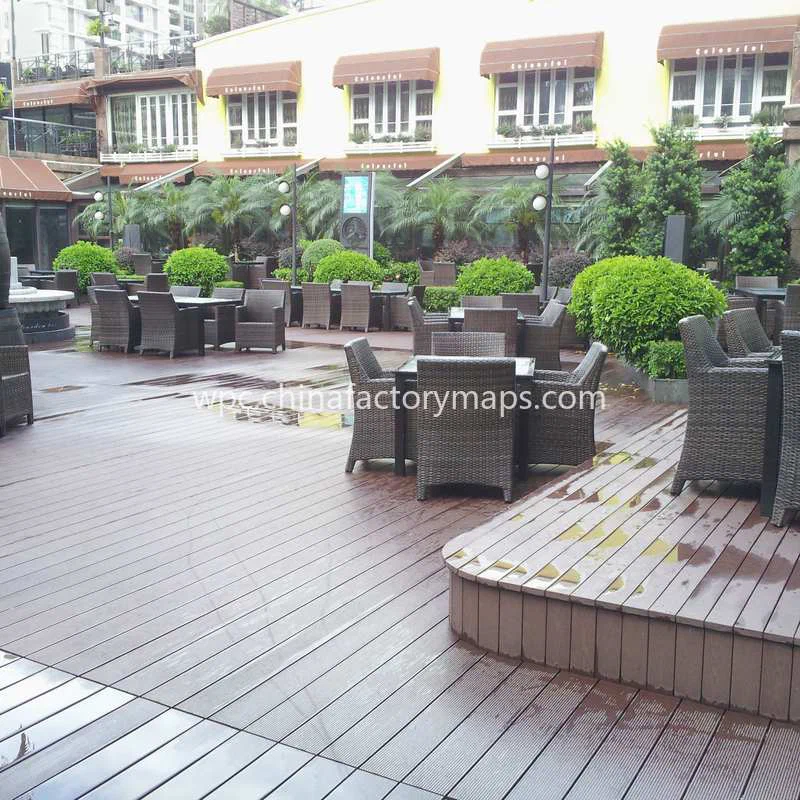
Composite walls cover several construction approaches that differ by core composition, surface treatment, and installation method. For buyers comparing suppliers, the main differences are not only appearance but also how the panels respond to moisture, heat, fastening, and long-term outdoor exposure. Wood-plastic composite wall systems are commonly selected for exterior applications where a timber-like finish is required with lower upkeep than natural wood.
A WPC wall panel is typically made from a blend of wood fibre or powder and plastic polymers. The ratio of these materials affects density, texture, expansion behaviour, and surface performance. Higher wood content can create a more natural appearance, while polymer content contributes to moisture resistance. The material still expands and contracts with temperature changes, so installation requires appropriate gaps and a ventilated substructure.

Solid WPC panels and hollow WPC panels represent two common structural formats. Solid panels generally provide more mass and may offer better resistance to impact, but they also use more material. Hollow panels reduce weight and material use through internal cavities, which can simplify handling and installation. The choice depends on the wall location, expected loads, and project requirements rather than a single universal preference.

Surface finishes create another major difference between composite wall options. Traditional WPC panels may have a coloured surface layer or embossed wood grain, while co-extruded products add an outer protective layer during manufacturing. Co-extrusion can improve resistance to staining and surface wear, but it does not remove all maintenance needs. Sustained UV exposure can still cause colour changes over time, and finish selection should match the local climate.
Composite walls also differ from alternatives such as natural timber, aluminium panels, and other cladding materials in how they are fixed and maintained. WPC requires fastening systems designed to accommodate thermal movement, including suitable spacing and support structures. It resists moisture and insect damage better than untreated wood, but it is not indestructible or completely waterproof. Proper drainage and installation details remain important.
For overseas buyers sourcing from China, factory location can affect logistics planning as well as product selection. The directory maps WPC suppliers across Guangdong, Anhui, Shandong, Zhejiang, Shanghai, and Jiangsu, allowing buyers to compare regional supply options. Nearby export routes may include Shanghai Port, Ningbo-Zhoushan Port, Shenzhen Port, Guangzhou Port, Qingdao Port, and other mapped ports. Product specifications, finish options, and installation requirements should be reviewed alongside factory location.
FAQ
Q: What is the main difference between solid and hollow WPC wall panels? A: Solid panels contain more material and generally have greater mass, while hollow panels are lighter with internal cavities. The suitable option depends on installation conditions and project requirements.
Q: Does WPC wall cladding require maintenance? A: WPC usually requires less upkeep than natural wood, but cleaning, inspection, and proper installation remain necessary. Colour may change after prolonged UV exposure.
Related Articles
Featured Suppliers
Verified premium suppliers on our map.
