
Cost Considerations for Composite Decking in Residential Projects
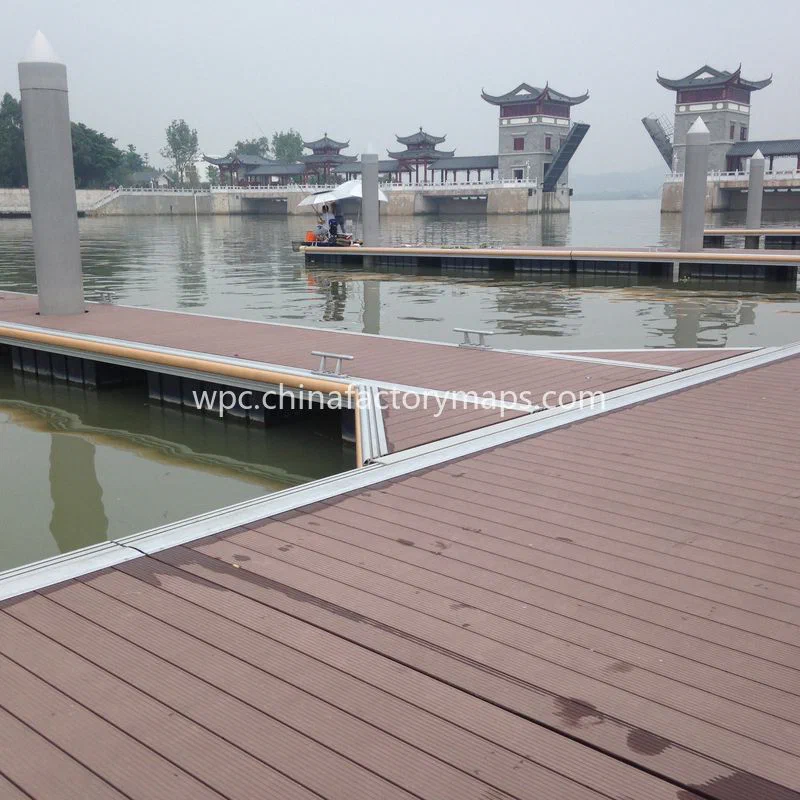
Composite decking is a popular choice for residential projects, especially in outdoor settings where durability and resistance to weather conditions are critical. Understanding the cost for composite decking involves evaluating various factors, including climate, foot traffic, and the specific materials used in production. This article examines the relevant specifications and highlights regions in China that specialize in manufacturing suitable composites for these applications.
Coastal areas face unique challenges that impact the choice of composite decking materials. Saltwater and high humidity can accelerate the degradation of inferior products. Buyers in these regions should prioritize composite decking that offers enhanced resistance to corrosion and moisture. Manufacturers in Guangdong and Zhejiang provinces are known for producing high-quality wood-plastic composites that withstand these environmental pressures, making them ideal suppliers for coastal projects.

In regions subject to freeze-thaw cycles, such as parts of Shandong and northern Jiangsu, the thermal expansion and contraction of materials become a significant consideration. Composite decking that is designed with proper gapping and a ventilated substructure is essential to prevent warping and cracking. Buyers should seek out manufacturers that understand these specific environmental demands and offer products engineered for resilience against temperature fluctuations.

High foot traffic areas, such as decks around pools or public spaces, require materials that can handle constant use without significant wear. The surface texture and anti-slip properties of composite decking are vital for safety and longevity. Regions like Anhui, which have a strong manufacturing presence, can provide options that meet these needs. Buyers should inquire about the specific anti-slip ratings and durability tests conducted by manufacturers to ensure the selected product is suitable for high-traffic applications.
UV resistance is another critical factor for outdoor composite decking, particularly for areas exposed to direct sunlight. Prolonged exposure can lead to fading and degradation of color in lower-quality products. Buyers should consider co-extruded composites that feature a protective outer layer designed to resist UV damage. Suppliers in Guangdong and Zhejiang are noted for their advancements in co-extrusion technology, providing options that maintain aesthetic appeal over time.
The cost for composite decking can vary widely based on the material specifications and the manufacturer’s location. While high-quality composites might involve a higher upfront investment, they often result in lower maintenance costs and longer lifespans, offering better value in the long run. Engaging with manufacturers from mapped regions can provide insights into the best options that align with both budget and project requirements.
FAQ
Q: What factors should I consider when selecting composite decking for my project?
A: Consider environmental conditions, foot traffic levels, UV exposure, and specific material properties such as anti-slip and moisture resistance.
Q: Which regions in China are best for sourcing composite decking?
A: Guangdong and Zhejiang are prominent regions known for producing high-quality wood-plastic composites suitable for various outdoor applications.
Featured Suppliers
Verified premium suppliers on our map.
